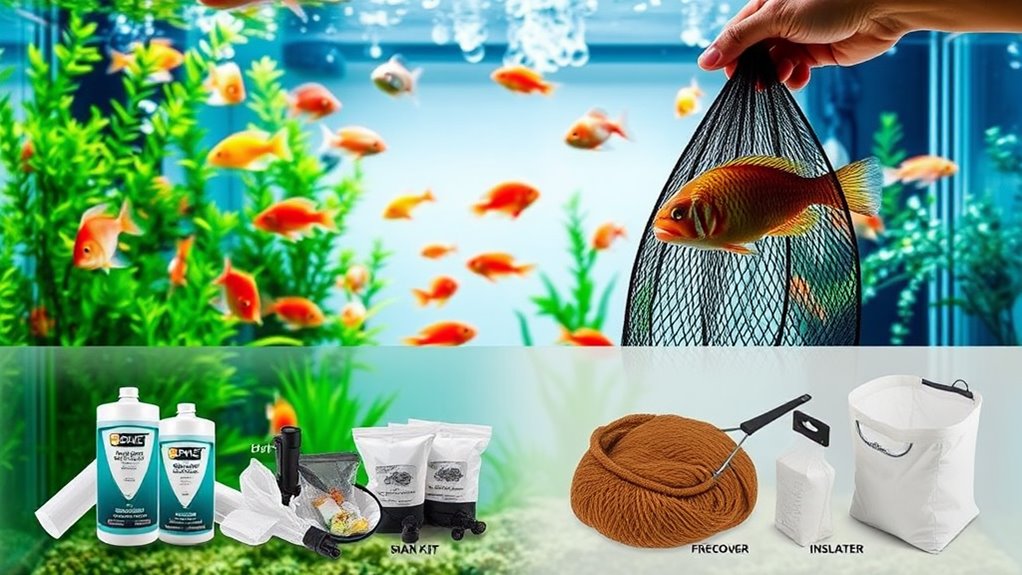
To breed marine fish successfully in a home aquarium, start by selecting the right species and pairing compatible fish. Set up a breeding tank of at least 20 gallons with high-quality filtration, hiding spots, and appropriate lighting. Maintain stable water conditions, keeping temperature between 75°F and 80°F, and salinity at 1.020 to 1.025. Observe spawning behaviors like courtship displays, and offer suitable nesting surfaces. Guarantee a balanced diet and monitor for diseases or aggression. With the right setup and care, you'll increase your chances of successful breeding, and soon, you might discover more about caring for the fry.
Selecting Suitable Marine Fish
When you're plunging into the domain of marine fish breeding, selecting suitable species is fundamental for your aquarium's success. You want to guarantee that the fish you choose not merely thrive together but additionally have the right conditions for breeding. Start by researching fish compatibility; some species are more sociable than others. It's imperative to pair compatible fish to minimize aggression and stress, which can hinder their breeding efforts.
Consider the breeding age of the fish you're interested in. Most species have specific age ranges when they're ready to breed, so it's important to know when your fish are mature enough to reproduce. For instance, clownfish typically begin breeding at around 12 months, whereas other species may take longer. By selecting fish that are not only compatible but also at the appropriate breeding age, you're setting the stage for success.
Furthermore, think about the environment you'll create for them. Some fish prefer to breed in specific conditions, such as particular water temperatures or tank setups. Research these needs thoroughly, as providing the right environment can greatly impact their willingness to breed.
Setting Up the Breeding Tank
Creating a breeding tank is fundamental for ensuring your marine fish thrive during their reproductive cycle. A well-set-up tank can make all the difference in helping them feel secure and comfortable as they spawn. Here's how to get started:
- Tank Size: Choose a tank that accommodates the species you're breeding. A minimum of 20 gallons is ideal for most marine fish, allowing ample space for them to establish territories.
- Filtration System: Invest in a high-quality filtration system. This keeps the water clean and oxygen-rich, crucial for the health of both adults and fry. Remember, a stable environment is essential during this sensitive time.
- Aquascaping: Create hiding spots using rocks, coral, or plants. This not only provides safety for the fish but also encourages natural behaviors, making them more likely to breed successfully.
- Lighting: Use a suitable lighting setup to mimic natural conditions. A consistent light cycle can help trigger spawning behaviors, giving your fish the best chance for a successful breeding experience.
Maintaining Optimal Water Conditions
How can you confirm your marine fish thrive during breeding? The key lies in maintaining ideal water conditions. Start with the water temperature; most marine fish prefer a stable environment between 75°F and 80°F. Use a reliable thermometer to monitor this closely.
Next, pay attention to salinity levels. Aim for a specific gravity of 1.020 to 1.025, which mimics their natural habitat. A quality hydrometer can help you achieve this balance. Your filtration system plays a significant role in keeping the water clean and oxygen-rich, so make sure it's functioning efficiently.
Don't overlook the pH balance, either. It should range from 8.1 to 8.4 for most marine species. Regular tests with pH strips or kits will allow you to make necessary adjustments.
Water changes are another important aspect of maintaining a healthy environment. Aim for a 10-15% water change weekly to dilute toxins and replenish crucial minerals. This practice keeps your fish healthy and supports their breeding process.
Lastly, ammonia control is non-negotiable. Ammonia can build up quickly in a breeding tank, which is harmful to fish. Regularly test for ammonia levels and take immediate action if you detect any spikes. By focusing on these aspects, you'll create a thriving habitat for your marine fish and increase your chances of successful breeding.
Understanding Spawning Behaviors
Maintaining ideal water conditions sets the stage for successful breeding, but grasping the spawning behaviors of your marine fish is just as important. Recognizing these behaviors helps you create an environment where your fish can thrive and reproduce. When you observe your fish closely, you'll notice unique courtship rituals that vary by species. These rituals are vital as they bring the breeding pair together and establish a bond.
Here are four key aspects of spawning behaviors to look for:
- Courtship Displays: Watch for intricate movements and color changes. These acts are not just beautiful; they signal readiness to mate.
- Nesting: Many species will create nests or select specific areas in the aquarium for laying eggs. Providing suitable surfaces can encourage this behavior.
- Fry Protection: After spawning, some species exhibit parental care, guarding the eggs until they hatch. This protective instinct is imperative for fry survival.
- Pair Bonding: In some fish, you'll see strong pair bonds forming during the breeding process. This connection can lead to more successful spawning events in the future.
Caring for Fry
The joy of nurturing marine fry brings a sense of accomplishment to any aquarist. As you commence on this rewarding expedition, it's essential to understand their specific needs to help them thrive. Start by setting up a separate nursery tank, ideally with gentle filtration and minimal current, to provide a safe environment for the fry.
Feeding techniques play a fundamental role in their growth. Begin with infusoria or specialized fry food, which offers necessary nutrients for their development. As they grow, gradually introduce larger foods like finely crushed flakes or brine shrimp. Remember to feed them small amounts multiple times a day to guarantee they're getting enough nutrition without overpolluting the water.
Selecting appropriate tank mates is equally important. You want to avoid aggressive species that could harm the fry. Consider keeping them with peaceful, similarly-sized fish or even invertebrates, which can provide a stress-free environment. Monitor interactions closely, and if you notice any signs of aggression, be ready to separate them to guarantee the fry's safety.
Lastly, maintain excellent water quality by performing regular water changes and monitoring parameters like temperature and salinity. Keeping the environment stable will promote healthy growth and development. By focusing on these aspects of fry care, you'll create a nurturing atmosphere that allows your marine fish to flourish. Your dedication will not only benefit the fry but additionally enrich your aquarium experience.
Troubleshooting Common Issues
In a thriving aquarium, various issues can arise that may affect the health of your marine fish and fry. It's crucial to be proactive and recognize potential problems early. Here are some common issues you might face and how to address them:
- Disease Outbreaks: Monitor your fish closely for signs of illness. Implement disease prevention measures, such as maintaining water quality and quarantining new arrivals.
- Poor Feeding Strategies: Confirm you're providing a balanced diet appropriate for each species. Overfeeding can lead to water pollution, whereas underfeeding can stunt growth.
- Aggression Among Fish: Some species may become territorial, especially during breeding. Observe their behavior and consider rearranging your tank or providing hiding spots to ease tensions.
- Water Quality Fluctuations: Regularly test your water parameters. Sudden changes can stress your fish, so keep a consistent routine for water changes and filtration.
Frequently Asked Questions
What Equipment Is Essential for Breeding Marine Fish Effectively?
To breed marine fish effectively, you'll need vital equipment like breeding tanks and reliable filtration systems. A breeding tank provides a safe environment for your fish, whereas maintaining ideal water quality is critical for their health. You should additionally consider heaters to keep the temperature consistent and test kits to monitor parameters like pH and salinity. By focusing on these elements, you're setting up the best conditions for a successful breeding experience.
How Long Does It Take for Marine Fish to Breed?
You'll find that breeding timelines for marine fish can vary widely. Depending on the species, it can take anywhere from a few weeks to several months for them to reach maturity and exhibit spawning behaviors. Keep an eye on your fish's environment and health, as these factors greatly influence their readiness to breed. By cultivating a supportive atmosphere, you're not just nurturing the fish; you're likewise serving your aquarium community.
Can Different Species Breed Together in a Home Aquarium?
Can different species breed together in a home aquarium? Although some species might show compatibility, it's crucial to research their specific needs and behaviors. Mixing species can lead to interesting hybrids, benefiting from hybrid vigor, but not all combinations are successful. You'll want to prioritize the health and well-being of your fish. By comprehending their compatibility, you can create a thriving environment that supports diverse marine life as well as serving their unique requirements.
What Common Diseases Affect Breeding Marine Fish?
When you're focused on breeding marine fish, you need to be aware of common diseases that can threaten ichthyological health. Conditions like ich, velvet, and marine ich can severely impact your breeding environment. It's essential to maintain ideal water quality and monitor fish closely for any signs of distress. By keeping your breeding environment clean and stable, you'll greatly reduce the risk of disease and promote healthier fish for everyone to enjoy.
How Can I Sell or Trade My Bred Marine Fish?
In terms of selling or trading your bred marine fish, remember: "A rising tide lifts all boats." Start by connecting with local aquarists or fish clubs, where fish marketing thrives. Online forums and social media can expand your reach. Always prioritize breeding ethics, ensuring your fish are healthy and well-cared for. By building relationships and sharing your passion, you'll find interested buyers who appreciate your efforts and dedication to marine life.