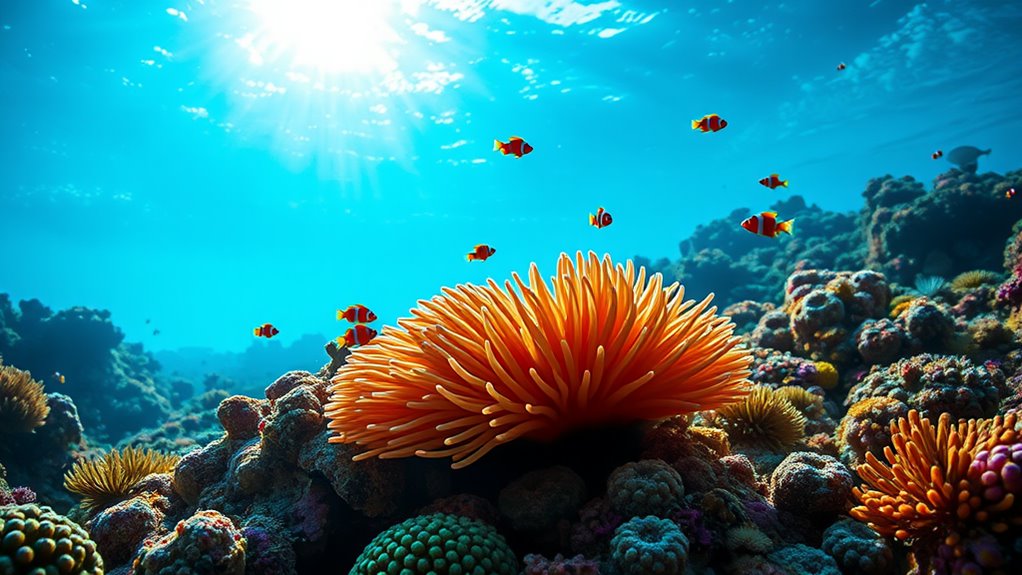
To keep your anemones happy and healthy, create an ideal habitat customized to their specific needs. Choose a tank of at least 30 gallons with sandy or rocky substrates. Maintain stable water conditions, including a temperature range of 75°F to 82°F and a pH between 7.8 and 8.5. Offer high-quality lighting and gentle water flow to mimic their natural environment. Feed them a balanced diet of finely chopped seafood or specialized pellets every few days. Finally, monitor their behavior and health regularly to catch any signs of stress early. There's more to explore about enhancing their environment!
Understanding Anemone Species
When it involves keeping anemones healthy, comprehending the different species is fundamental. Each anemone type has unique needs and characteristics that can greatly affect their well-being. For instance, some species thrive in higher light conditions, whereas others prefer dimmer environments. By identifying the specific anemone types you're working with, you can tailor your care approach to meet their individual requirements.
Understanding the symbiotic relationships that anemones form is additionally vital. Many anemones coexist with clownfish, which not solely provide the anemones with nutrients but likewise help in keeping them clean. This mutualistic relationship benefits both parties, so if you're caring for an anemone that typically partners with clownfish, consider adding a compatible fish to your aquarium setup. This arrangement can improve the anemone's health and liveliness, making it a more colorful addition to your marine environment.
Moreover, knowing the natural habitat of each anemone type can guide your care choices. For example, some species prefer sandy substrates, whereas others thrive in rocky areas. By mimicking these conditions, you create a more supportive environment for your anemones to flourish.
Ideal Aquarium Setup
Creating an ideal aquarium setup is imperative for the health and happiness of your anemones. First, consider the tank size; a minimum of 30 gallons is recommended. A larger tank provides stability in water parameters, which is crucial for sensitive species. This space allows your anemones to thrive and move freely, reducing stress.
Next, focus on aquascaping techniques. Use natural materials like live rock to create hiding spots and open spaces for your anemones. This not only mimics their natural habitat but also improves the aesthetic appeal of your aquarium. Arrange the rocks in a way that allows for good water flow, as anemones rely on currents to bring them food and oxygen.
Ensure you have a proper substrate—fine sand is usually best. It not only provides a comfortable base for your anemones but also supports beneficial bacteria that help maintain a healthy environment. Furthermore, consider the placement of your anemones. Position them in areas with moderate light and flow to help them flourish.
Lighting is another fundamental aspect. Invest in high-quality LED lights that can simulate natural sunlight. This will promote the growth of symbiotic algae within the anemones, improving their color and overall health.
Finally, avoid overcrowding the tank. Anemones can be territorial, so give them enough space to coexist peacefully with other marine life. By implementing these strategies, you'll create a nurturing environment that supports your anemones' well-being.
Water Quality Requirements
To keep your anemones thriving, you'll need to pay close attention to water quality. Maintaining the ideal temperature range, ensuring the right pH level, and balancing nutrients are crucial for their health. Let's explore how each of these factors plays a critical role in your anemone's well-being.
Ideal Temperature Range
Maintaining the right temperature is vital for the health and vigor of anemones. These delicate creatures thrive in a stable environment, ideally between 75°F and 82°F (24°C to 28°C). If you want to keep them happy, it's imperative to minimize temperature fluctuations. Sudden changes can stress your anemones, leading to weakened immunity and potential health issues.
Seasonal variations can pose challenges, especially if your tank is exposed to external temperature shifts. During warmer months, make certain your aquarium doesn't heat up too much, as this can be harmful. Conversely, in cooler weather, you might need a heater to maintain that ideal range. Regularly checking the temperature with a reliable thermometer helps you catch any unwanted changes early.
You should as well be cautious with equipment like heaters and chillers. Positioning them properly will help achieve even temperatures throughout the tank. Remember, consistency is key! By paying attention to these temperature requirements, you'll set the stage for your anemones to thrive, contributing to a lively and healthy marine ecosystem. Your dedication to maintaining their environment will surely be rewarded with flourishing anemones.
Ph Level Importance
In relation to keeping anemones healthy, pH levels in your aquarium are just as fundamental as temperature. Maintaining a stable pH is critical for their overall well-being. Ideally, you want to keep the pH between 7.8 and 8.5. Sudden pH fluctuations can stress your anemones, leading to health issues or even death.
To monitor this closely, regular pH testing is imperative. You can use test kits or electronic meters to keep track of your aquarium's pH levels. When you notice any significant changes, take immediate action to stabilize the environment. This might involve adjusting additives or doing partial water changes.
Nutrient Balance Essentials
Achieving the right nutrient balance is fundamental for keeping your anemones thriving in a healthy aquarium environment. Start by identifying reliable nutrient sources, ensuring a balanced diet that supports their growth and well-being. Monitor feeding frequency; too much can lead to excess organic matter, whereas too little may cause nutrient deficiencies.
Incorporating water additives can help supply critical trace elements often missing from your setup. These trace elements play an important role in nutrient absorption, enabling your anemones to effectively utilize the available nutrients. Regularly test your water to prevent imbalances that could disrupt nutrient cycling and lead to health issues.
Algae control is another key component. Although some algae can be beneficial, excessive growth may compete for nutrients, starving your anemones. Implementing proper filtration and maintaining appropriate light levels can help manage algae growth effectively.
Temperature and Lighting Needs
Providing the right temperature and lighting is fundamental for keeping anemones lively and healthy. Anemones thrive in stable environments, so you'll want to maintain a consistent temperature between 72°F and 78°F. Sudden temperature fluctuations can stress these sensitive creatures, leading to poor health or even death. Regularly check your aquarium's temperature and invest in a reliable heater or chiller if necessary.
Lighting is equally important. Anemones require a specific light spectrum for photosynthesis, which is critical for their growth and overall well-being. A combination of blue and white LED lights can mimic natural sunlight, promoting lively colors and healthy tissue. Aim for about 10 to 12 hours of light each day, but don't forget to provide a dark period for rest.
You should additionally consider the placement of your anemones in relation to the light source. Position them where they can receive direct light, but be cautious of overexposure. Too much light can cause bleaching, whereas too little can lead to malnutrition.
Remember to observe your anemones closely. If you notice any changes in their behavior or appearance, it might be time to adjust the temperature or lighting conditions. By providing the right environment, you'll not just improve their beauty but equally contribute to their long-term health. Keep these factors in mind, and your anemones will reward you with their lively presence.
Proper Filtration Systems
A well-functioning filtration system is vital for keeping anemones healthy and thriving in your aquarium. The right filtration types help maintain water clarity and quality, which are critical for these sensitive creatures. You'll typically find three main types of filtration: mechanical, chemical, and biological. Mechanical filtration removes debris and particulate matter, whereas chemical filtration helps eliminate toxins and impurities. Biological filtration, conversely, supports beneficial bacteria that break down harmful ammonia and nitrites, creating a safer environment for your anemones.
To make certain your filtration system works effectively, establish consistent maintenance routines. Regularly check and clean your filters to prevent clogs and guarantee peak flow rates. It's also important to replace filter media according to the manufacturer's recommendations. This way, you'll keep the water parameters stable and reduce stress on your anemones.
Monitoring water parameters like pH, ammonia, nitrite, and nitrate levels goes hand in hand with effective filtration. If you notice any fluctuations, it's vital to address them without delay. You may even want to invest in additional filtration systems, such as a sump or protein skimmer, to improve water quality further.
Choosing Compatible Tankmates
Guaranteeing your anemones thrive goes beyond just having a solid filtration system; choosing compatible tankmates is equally important. The right companions can improve your tank's diversity and create a harmonious environment for your anemones. When selecting tankmates, focus on species that are known for their anemone compatibility.
Start by avoiding aggressive fish or invertebrates that might nip at your anemones or compete for space. Clownfish, for example, are often ideal tankmates since they have a symbiotic relationship with anemones, providing mutual benefits. Their presence can even encourage your anemones to expand and flourish.
Consider other peaceful species that won't disturb your anemones. Gobies, blennies, and certain types of wrasses can coexist well in a community tank. Always check compatibility research before introducing new species; some fish may not be anemone-friendly, in spite of their peaceful reputation.
Moreover, think about the overall tank diversity. A well-balanced ecosystem can reduce stress levels for your anemones, allowing them to thrive. Keep in mind that overcrowding can lead to competition for resources, so verify you're not adding too many tankmates at once.
Lastly, monitor your tank closely after introducing new residents. Watch for signs of stress in your anemones, and be prepared to make adjustments if needed. By being thoughtful in your selection, you'll set the stage for a thriving underwater community that benefits both your anemones and their tankmates.
Feeding Anemones Correctly
Feeding anemones correctly is crucial for their health and vigor. When you provide the right nutrition, you help them thrive in your aquarium. Here are three key aspects to take into account when feeding your anemones:
- Food Type: Anemones can benefit from a variety of foods, including finely chopped seafood, specialized anemone pellets, and even live foods like shrimp. Varying their diet can help guarantee they receive all the necessary nutrients.
- Feeding Frequency: Anemones typically require feeding every few days, but this can vary based on their species and tank conditions. Monitor your anemone's response to feeding and adjust accordingly. If you notice a lack of energy or growth, think about increasing the frequency.
- Light Intensity: As you focus on feeding, don't overlook the importance of light. Anemones rely on light for photosynthesis, which provides energy. Confirm your tank has adequate light intensity to support both their feeding and overall health.
As you establish a feeding routine, remember to observe how your anemones react. Healthy feeding habits not just promote their well-being but also improve the beauty of your aquarium. By providing the right type of food, maintaining an appropriate feeding frequency, and confirming adequate light intensity, you're setting up your anemones for a happy and healthy life. Your commitment to their care makes all the difference.
Regular Maintenance Practices
To keep your anemones thriving, you need to focus on regular maintenance practices. This means monitoring water quality, sticking to a consistent feeding schedule, and ensuring a stable tank environment. By prioritizing these aspects, you'll help your anemones flourish and maintain their health.
Water Quality Monitoring
Monitoring water quality is crucial for keeping your anemones healthy and thriving. Regularly checking the water parameters can prevent stress and guarantee they flourish in your care. Here are three key practices to maintain:
- Test pH Levels: Aim for a pH between 7.8 and 8.4. Test it weekly, particularly when you notice changes in your anemones' behavior.
- Check Salinity: An ideal salinity range is between 1.023 and 1.026 specific gravity. Use a refractometer for precise readings and adjust as needed.
- Monitor Ammonia, Nitrite, and Nitrate: Keep ammonia and nitrite levels at 0 ppm, whereas nitrates should be below 10 ppm. Test these parameters bi-weekly to guarantee a stable environment.
Regular Feeding Schedule
A regular feeding schedule is essential for keeping your anemones healthy and energetic. You should aim to establish a consistent feeding frequency, typically offering food every few days, depending on their specific needs. This approach not only guarantees they receive adequate nutrition but also helps maintain their energy levels and overall well-being.
When it comes to food types, consider providing a variety of options to keep your anemones content. High-quality frozen foods like shrimp, fish, or specially formulated anemone pellets can greatly improve their diet. You might additionally explore offering live foods, which can stimulate their natural hunting instincts and promote their health.
Always monitor how your anemones respond to the feeding. If they seem enthusiastic and expand their tentacles, you're likely on the right track. Nevertheless, if they appear disinterested or refuse food, you may need to adjust your feeding frequency or switch up the food types. By keeping a regular feeding schedule and being attentive to their needs, you'll create a thriving environment for your anemones, guaranteeing they remain a lively part of your aquatic ecosystem.
Tank Environment Stability
Maintaining a stable tank environment is crucial for the health of your anemones. To guarantee you're providing the best care, focus on these key factors:
- Tank Size: Choose a tank that offers ample space for your anemones to thrive. A larger volume helps maintain stable water parameters.
- Water Flow: Adjust the water flow to mimic their natural habitat. Anemones need gentle currents to receive nutrients without unnecessary stress.
- Lighting Intensity: Implement appropriate lighting, as it plays a critical role in their health. Too much or too little light can cause stress factors.
Don't overlook substrate choice, as it impacts your anemones' attachment and comfort. During the acclimation process, introduce them slowly to reduce shock. Confirm you simulate their natural habitat for peak growth, considering tank positioning and feeding frequency as well. Regularly check water parameters, and provide high-quality nutrient sources to support their needs.
Monitoring Health and Behavior
Keeping a close eye on anemones is vital for guaranteeing their well-being. By monitoring their health indicators and behavioral signs, you can catch potential issues early. Look for stress responses, like shrinking or changing color, which may indicate an unfavorable environment or poor water quality. Pay attention to feeding behaviors; if they're not extending their tentacles or eating, it could signal health problems or stress.
Understanding their habitat preferences is fundamental. Anemones often have specific environmental adaptations that help them thrive, so observe how they position themselves in the tank. If they're constantly moving or hiding, it might mean they're not happy with their tank positioning or the conditions around them.
Social interactions as well play a significant role in their health. If you have multiple anemones, watch how they interact. Aggression or avoidance can indicate stress or competition for resources. Mating rituals may as well be present, and noticing these can show that your anemones are healthy and thriving.
Tracking growth patterns is another important aspect. Healthy anemones should show steady growth over time. If you notice stunted growth or unusual changes in shape, it's worth investigating further. By being attentive to these factors, you'll create an environment where your anemones can flourish, allowing you to serve them better and guarantee their long-term health.
Common Anemone Issues
Anemones can face a variety of issues that threaten their health and significance. Comprehending these common problems is crucial for guaranteeing their well-being. Here are three key issues to watch for:
- Anemone Diseases: Like any living creature, anemones can suffer from various diseases, often linked to poor tank conditions. Watch for stress indicators such as retraction, discoloration, or a lack of feeding habits.
- Environmental Factors: Anemones are sensitive to changes in their environment. Fluctuations in water quality, temperature, and lighting can lead to stress. Maintaining stable tank conditions is critical for their health.
- Symbiotic Relationships: Anemones often rely on symbiotic relationships with clownfish or other marine species. Disruption of these relationships can affect their feeding behavior and overall health. Ascertain that your tank supports these interactions.
To keep your anemones happy and healthy, be proactive in monitoring their behavior. Look for signs of stress, and adjust your care techniques accordingly. Pay attention to their breeding behavior, as changes can indicate underlying issues. Regularly assess your tank conditions and make necessary adjustments to create a supportive environment.
Enhancing Anemone Environment
Creating a thriving environment for your anemones is vital for their health and longevity. To improve the anemone habitat, focus on replicating their natural surroundings as closely as possible. This means providing stable water parameters, including temperature, salinity, and pH. Regularly test these levels to guarantee they stay within the ideal ranges, as fluctuations can stress your anemones.
Incorporating environmental enrichment into your setup is another key factor. Anemones benefit from a diverse range of structures to attach to and explore. Adding live rock, coral fragments, or specially designed anemone hosts can create a more dynamic habitat. These elements not only provide physical attachment sites but likewise mimic their natural ecosystems, promoting healthy behavior and reducing stress.
Lighting is equally important. Anemones require appropriate lighting for the symbiotic algae living within them, which helps with nutrient absorption. Depending on the species, adjust your lighting to guarantee they're getting the right intensity and spectrum.
Lastly, consider their feeding habits. Regularly offering high-quality food, like finely chopped seafood or specialized anemone food, will support their overall health. Be mindful of how much you feed; overfeeding can lead to water quality issues.
Frequently Asked Questions
How Long Do Anemones Typically Live in Captivity?
Anemones can live anywhere from 2 to 80 years in captivity, depending on several factors. Their lifespan largely hinges on the ideal tank conditions you provide. Maintaining stable water quality, proper lighting, and suitable tank mates can greatly improve their longevity. By focusing on these anemone lifespan factors, you create an environment where these beautiful creatures can thrive, making your efforts beneficial for both you and the anemones in your care.
Can Anemones Reproduce Asexually in Aquariums?
Yes, anemones can reproduce asexually in aquarium conditions, often through a process called binary fission. In this process, an anemone splits into two, allowing it to increase its population. To promote successful anemone reproduction, make certain your aquarium maintains stable water quality, proper lighting, and adequate nutrients. By providing a healthy environment, you not only support their growth but additionally create a thriving habitat for others in your care.
What Are Signs of Stressed Anemones?
When you observe your anemones, look for signs of stressed anemones, like shrinking or detaching from surfaces. Changes in anemone behavior, such as excessive movement or hiding, can likewise indicate stress. Keep an eye on their color; fading can signal trouble. Environmental factors, including water quality, temperature, and light levels, play an essential role in their well-being. Addressing these issues swiftly can help guarantee your anemones thrive and bring joy to your aquarium.
Do Anemones Benefit From Tank Supplements?
Yes, anemones can benefit from tank supplements, especially if their nutrient requirements aren't fully met by the environment. You should monitor your tank conditions closely, as imbalances can lead to stress. By adding appropriate supplements, you help guarantee they receive crucial nutrients, promoting their overall health and well-being. Just remember to research which supplements best suit your specific anemone species to create a thriving ecosystem that serves their needs effectively.
How Do I Safely Move an Anemone?
Picture you're carefully relocating a beautiful anemone to a new tank. To guarantee safe movement, start with anemone acclimation. Use a soft, wet cloth to gently grasp its base, avoiding stress. Employ handling techniques like using a floating container to minimize shock. Gradually introduce it to the new environment, allowing it to adjust. Remember, patience is key; your efforts will help this delicate creature thrive in its new home.


