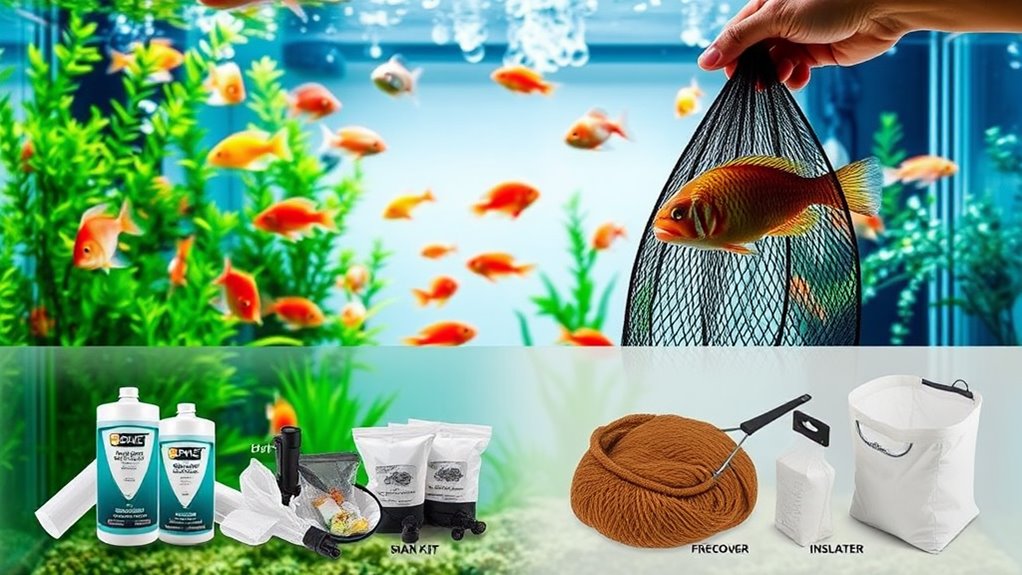
You’ll need to provide your cuttlefish with a stimulating environment that caters to their natural behaviors and curiosity. Create a varied environment with different textures, shapes, and sizes of decorations, and incorporate open swimming spaces and enclosed areas. Encourage natural hunting behavior with prey-like stimuli and challenge them with food puzzles and hidden treats. Rotate and change sensory stimuli regularly, and design a dynamic aquascape that mimics their natural habitat. By doing so, you’ll keep your cuttlefish engaged and active. And, with a little creativity, you can take their enrichment to the next level. In addition to creating an engaging environment, it’s important to ensure you have all the essential cuttlefish care supplies on hand. This includes high-quality water conditioners, suitable tanks, and appropriate filtration systems to maintain optimal water quality for their health. Regularly monitoring water parameters will help keep their habitat safe and support their overall well-being, allowing your cuttlefish to thrive in their enriched surroundings.
Providing a Varied Environment
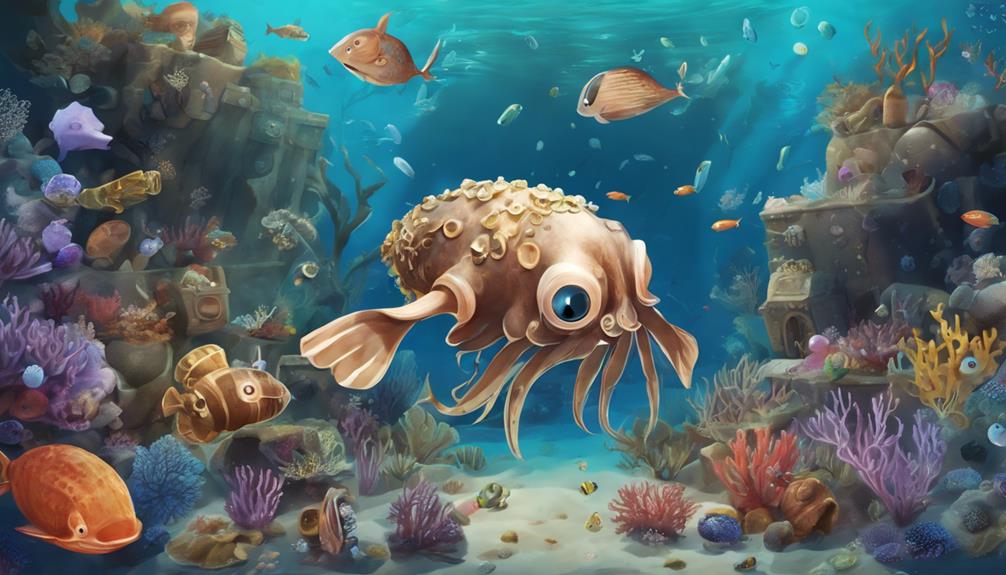
To keep your cuttlefish engaged and stimulated, create a varied environment by incorporating different textures, shapes, and sizes of decorations, rocks, and hiding places. This will not only keep them active but also reduce stress and boredom. You can achieve this by adding a mix of open swimming spaces and enclosed areas, such as rocky outcroppings and cave systems, to provide your cuttlefish with a sense of security and exploration.
When designing your cuttlefish's environment, think about incorporating different levels and layers. This can be achieved by adding rocks, coral, or other decorations of varying heights and depths. This will allow your cuttlefish to swim, crawl, and explore, exercising their natural behaviors. Additionally, consider adding plants or other decorations with different textures, such as soft or rough, to provide sensory stimulation.
Remember to rotate your decorations regularly to keep the environment fresh and exciting for your cuttlefish. This will prevent boredom and encourage them to explore and play. By providing a varied and engaging environment, you'll be creating a safe and stimulating space for your cuttlefish to thrive.
Encouraging Natural Hunting Behavior
By incorporating prey-like stimuli, such as frozen or live foods released from a pipette or a feeding stick, you can encourage your cuttlefish to exhibit natural hunting behavior. This prey simulation triggers their instincts, making them stalk, chase, and capture their food. As a result, your cuttlefish will engage in active hunting, exercising their natural abilities.
To create an immersive experience, consider the following scenarios:
| Scenario | Description |
|---|---|
| Ambush | Place a frozen food item in a hidden crevice, encouraging your cuttlefish to use active concealment to snatch its prey. |
| Chase | Release a live food item, such as a brine shrimp, allowing your cuttlefish to pursue and capture it. |
| Stalking | Use a pipette to release a small amount of food, mimicking the movement of a fleeing prey, and challenging your cuttlefish to stalk and catch it. |
| Hunting Ground | Create a 'hunting ground' by releasing multiple frozen food items, encouraging your cuttlefish to search and hunt for its prey. |
Remember to always prioritize your cuttlefish's safety and well-being when designing these scenarios. Make sure that the environment is secure, and the food items are appropriate for your cuttlefish's size and species. By providing these stimulating experiences, you'll help your cuttlefish thrive and engage in natural hunting behaviors.
Sensory Stimulation and Play

You can provide your cuttlefish with a rich sensory experience by incorporating a variety of textures, colors, and smells into their environment. This will encourage exploration and stimulate their natural curiosity. For texture exploration, try adding different materials like sand, rocks, or coral to the tank. You can also introduce toys or decorations with varying textures, such as smooth shells or rough-surfaced ceramics. This will allow your cuttlefish to engage in tactile exploration, which is essential for their cognitive development.
In addition to texture, vibrational stimuli can also be an effective way to stimulate your cuttlefish. You can achieve this by placing a vibration-producing device, such as a submersible water pump, near the tank. This will create gentle vibrations that will stimulate your cuttlefish's sensitive lateral line, which detects vibrations in the water. This can be particularly effective when combined with visual stimuli, such as flashing lights or moving decorations.
Remember to rotate and change the sensory stimuli regularly to keep your cuttlefish engaged and prevent boredom. You can also try hiding treats or toys with different textures or smells to encourage problem-solving and exploration. By providing a rich sensory environment, you'll be giving your cuttlefish the mental and physical stimulation they need to thrive.
Rotating and Hiding Food
Cuttlefish thrive on variety, and rotating their food sources keeps them engaged, stimulated, and enthusiastic to hunt. By changing up their diet, you're providing mental and physical stimulation, which can help reduce stress and boredom. This doesn't mean you need to provide a new type of food every day, but rather, rotate between 2-3 different options to keep things interesting.
One way to take this to the next level is by incorporating food puzzles and hidden treats into their routine. This challenges your cuttlefish to problem-solve and forage for food, mimicking their natural hunting behavior. Here are some ways to hide their food:
- Use food puzzles: Fill puzzle toys with their favorite snacks, encouraging your cuttlefish to figure out how to get them out.
- Bury treats in the substrate: Hide small pieces of food in the sand or gravel, encouraging your cuttlefish to dig and search for them.
- Create a treasure hunt: Place small amounts of food in hard-to-reach places, such as under rocks or in crevices, requiring your cuttlefish to problem-solve to get to them.
Creating a Dynamic Aquascape
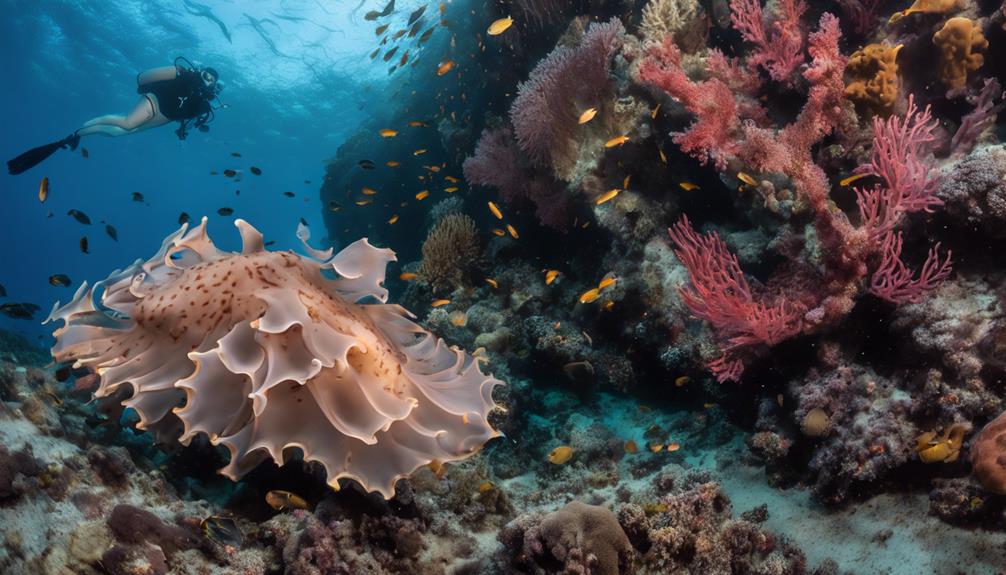
Creating a dynamic aquascape that is essential for their mental and physical well-being. You want to create an environment that mimics their natural habitat, with plenty of nooks and crannies to discover. Rock formations are a great way to add complexity to your aquascape, providing hiding spots and visual interest. You can use a combination of live rock, artificial rock, or even create your own using ceramic or concrete.
Water currents are also vital for creating a dynamic environment. Cuttlefish are adapted to living in areas with strong currents, so you'll want to create water flows that challenge them to swim and navigate. You can achieve this by adjusting the direction and speed of your powerheads or adding a wave maker. Just be sure to provide areas of calm water as well, so your cuttlefish can rest and hide when needed.
When designing your aquascape, think about creating a variety of zones with different water flows and levels of complexity. This will keep your cuttlefish engaged and active, encouraging them to explore and problem-solve. Remember to leave some open swimming space, as cuttlefish are natural predators and need room to hunt and chase. By creating a dynamic aquascape, you'll be providing your cuttlefish with the mental and physical stimulation they need to thrive.
Frequently Asked Questions
Can I Keep My Cuttlefish Alone or Do They Need Tankmates?
You're wondering if your cuttlefish needs some company or can thrive solo. The answer lies in their social behavior. Cuttlefish are generally solitary creatures and don't require tankmates. In fact, keeping them alone can reduce stress and aggression. However, if you do plan to introduce tankmates, make sure your tank is large enough – a minimum of 100 gallons – to accommodate their complex social dynamics and provide a safe environment.
How Often Should I Clean My Cuttlefish's Aquarium?
You're wise to prioritize your cuttlefish's aquarium cleanliness! Regular maintenance is essential for their health. You should clean the aquarium every 2-3 weeks, focusing on gravel vacuuming to remove debris and waste. Don't forget filter maintenance, as a clogged filter can be deadly. Perform a 10-15% water change during each cleaning session to guarantee your cuttlefish thrive in a safe, healthy environment.
Can I Use a Magnetic Algae Scraper With Cuttlefish?
Imagine swimming alongside your cuttlefish, mesmerized by their iridescent skin. Now, about that magnetic algae scraper: it's not the best choice. Cuttlefish are masters of Magnetic Interactions, and the scraper's magnet could disrupt their natural behavior or even attract them, causing stress. Instead, opt for a soft-bristled algae brush for gentle Algae Removal, ensuring a safe and healthy environment for your cephalopod friend.
Will My Cuttlefish Recognize and Respond to My Presence?
You're wondering if your cuttlefish will recognize and respond to you. The answer is yes! Cuttlefish are highly intelligent and can form personal bonds with their owners. They'll learn to associate your presence with food, attention, and care. They'll even recognize visual cues like your face, gestures, and movements. By spending quality time with your cuttlefish, you'll strengthen your bond and encourage them to respond to your presence.
Are There Any Specific Water Parameters for Cuttlefish?
It's not a coincidence that you're wondering about the perfect water parameters for your cuttlefish, as it's vital for their well-being. When it comes to pH tolerance, aim for a range of 7.9 to 8.4, as cuttlefish are sensitive to acidic waters. Also, make sure oxygen levels are high, as they require well-oxygenated water to thrive. By maintaining these parameters, you'll create a safe and healthy environment for your cuttlefish to flourish.