
You're likely aware that maintaining ideal salinity levels is essential for your cuttlefish's health. The perfect range is between 35-37 ppt, and even slight deviations can cause stress, disease, or death. To avoid this, you'll need to measure salinity levels regularly using a reliable tool like a hydrometer. Fluctuations can trigger health issues like stress, toxic buildup, and physiological disruptions, leading to symptoms like lethargy, loss of appetite, and labored breathing. By understanding the importance of salinity in cuttlefish care, you'll be better equipped to create a thriving environment – and there's more to discover about the intricacies of salinity management.
Salinity Requirements for Cuttlefish

When keeping cuttlefish, you'll need to maintain a salinity level between 35 and 37 parts per thousand (ppt), as they thrive in environments with a moderate to high salt concentration. This range is essential, as it mimics their natural habitat and supports their overall health. Failure to maintain this range can lead to stress, disease, and even death.
Cuttlefish are social creatures, and their social behavior is influenced by their environment. In the wild, they're often found in small groups, and in captivity, they require a similar setup. A suitable salinity level helps promote healthy social behavior, reducing aggression and stress. In fact, research has shown that cuttlefish in ideal salinity conditions engage in more complex social interactions, including cooperative hunting and mating habits.
It's vital to understand that cuttlefish are sensitive to changes in salinity, and even slight deviations can disrupt their mating habits. For instance, if the salinity level drops, males may become less aggressive, leading to reduced mating success. By maintaining the recommended salinity range, you'll create an environment that fosters healthy social behavior, including successful mating and reproduction.
Measuring Salinity in Aquariums
You'll need a reliable method to measure salinity levels in your aquarium to guarantee your cuttlefish thrive. Measuring salinity accurately is important, as even slight fluctuations can be detrimental to your cuttlefish's health. A hydrometer is the most common tool used to measure salinity, but it's essential to choose a high-quality one. Refurbished hydrometers may seem like a cost-effective option, but they can be unreliable and provide inaccurate readings.
When selecting a hydrometer, look for one that's specifically designed for aquarium use and calibrated for seawater. It's also important to understand how to properly use your hydrometer to ensure accurate readings. Take readings at the same time every day, and make sure the hydrometer is clean and free of debris.
Salinity gradients can occur in your aquarium, especially if you have a large tank or multiple water sources. To make sure your cuttlefish are exposed to consistent salinity levels, take readings at different depths and locations within the tank. This will help you identify any salinity gradients and make adjustments as needed. By regularly monitoring salinity levels and taking corrective action when necessary, you can create a safe and healthy environment for your cuttlefish.
Effects of Salinity Fluctuations

How do even slight fluctuations in salinity levels impact your cuttlefish's health and behavior? As a responsible aquarist, it's important to understand the delicate balance of salinity in your tank. Even minor changes can have devastating effects on your cuttlefish. When salinity levels fluctuate, your cuttlefish may experience salinity shock, a potentially life-threatening condition. This occurs when the fish is unable to regulate its body's osmotic balance, leading to cellular damage and even organ failure.
When salinity levels shift, your cuttlefish's osmoregulation system is put to the test. Osmoregulation is the process by which your cuttlefish maintains a stable balance of salts and water within its body. However, when salinity levels fluctuate, this system can fail, leading to osmoregulation failure. This can cause a range of symptoms, from lethargy and loss of appetite to skin lesions and respiratory distress.
To guarantee your cuttlefish's safety, it's essential to maintain a stable salinity level. Monitor your tank's salinity regularly, and make adjustments gradually to prevent sudden changes. Remember, even slight fluctuations can have significant consequences for your cuttlefish's health. By being proactive and vigilant, you can create a safe and thriving environment for your aquatic friends.
Maintaining Optimal Salinity Levels
What's the ideal salinity range for your cuttlefish, and how do you maintain it within that sweet spot? Ideally, you're aiming for a salinity level between 35-40 ppt (parts per thousand). To achieve this, it's important to understand the concept of salinity cycling. Salinity cycling refers to the natural fluctuations in salinity levels that occur in a cuttlefish's natural habitat. By mimicking these fluctuations in your tank, you can create a more natural environment for your cuttlefish.
To maintain ideal salinity levels, you'll need to perform regular water changes. This involves replacing a portion of the tank water with freshly mixed saltwater that matches the desired salinity level. It's essential to do this gradually, as sudden changes can stress your cuttlefish. A good rule of thumb is to change 10-15% of the tank water weekly.
Another important aspect to take into account is salinity rhythms. Cuttlefish are naturally attuned to the daily and seasonal changes in salinity levels. By simulating these rhythms in your tank, you can help regulate your cuttlefish's internal rhythms and promote overall health. This can be achieved by using a high-quality aquarium controller that allows you to program and automate salinity changes.
Avoiding Salinity-Related Health Issues
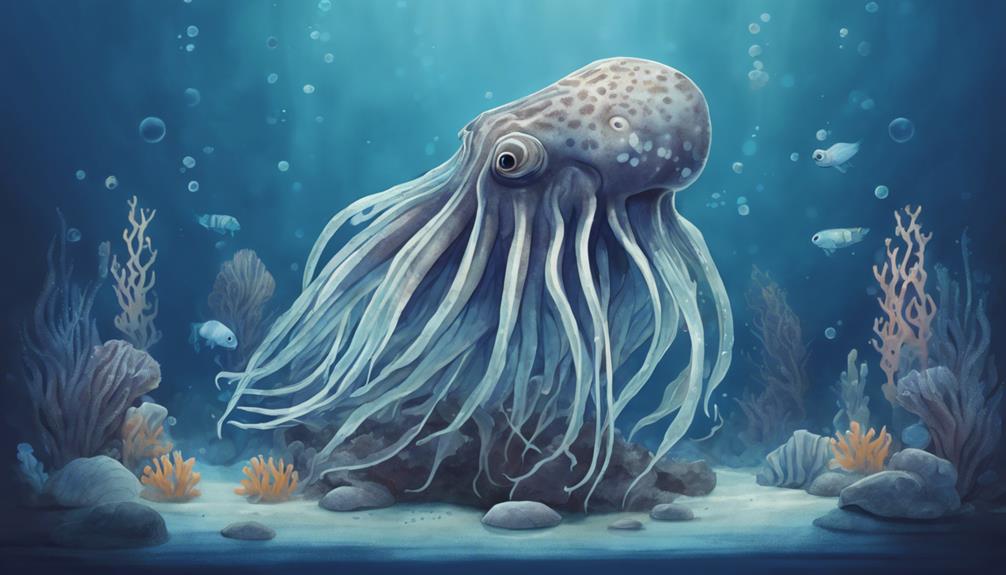
Avoiding Salinity-Related Health Issues
Fluctuations in salinity levels can trigger a range of health issues in cuttlefish, from mild stress to severe illness, if not monitored and maintained properly. As a responsible cuttlefish keeper, it's essential to understand the risks associated with salinity fluctuations and take proactive measures to prevent them.
Salinity-related health issues can be categorized into three main areas: stress induction, toxic buildup, and physiological disruptions. To better understand these risks, consider the following table:
| Health Issue | Causes | Symptoms |
|---|---|---|
| Stress Induction | Sudden changes in salinity | Lethargy, loss of appetite, erratic behavior |
| Toxic Buildup | Prolonged exposure to incorrect salinity | Labored breathing, lethargy, skin lesions |
| Physiological Disruptions | Chronic salinity fluctuations | Impaired growth, weakened immune system |
Frequently Asked Questions
Can Cuttlefish Be Kept in Aquariums With Low Water Volume?
When considering keeping cuttlefish in a home aquarium, you'll want to think twice about small tanks. Cuttlefish require a lot of space, and nano systems can be risky. With a high bio load, these intelligent creatures produce a lot of waste, and small volumes of water can't dilute it quickly enough. You'll be putting your cuttlefish's health at risk if you don't provide a spacious environment with proper filtration. It's better to prioritize their well-being and opt for a larger tank.
How Often Should I Change Water in a Cuttlefish Tank?
You’re venturing into the uncharted waters of cuttlefish care, and it’s essential to navigate the currents of water quality. As you set out on this aquatic journey, remember that regular water changes are the lifeblood of a thriving tank. Aim to change around 10-15% of the water weekly, ensuring a smooth tank cycling process. This will safeguard your cuttlefish’s health and keep your tank’s ecosystem in harmony. In addition to maintaining water quality, it’s crucial to understand the specific cuttlefish habitat and requirements to replicate their natural environment effectively. This includes providing ample space for swimming, suitable substrates for burrowing, and appropriate temperature and salinity levels. By closely monitoring these parameters, you’ll not only support the well-being of your cuttlefish but also create a vibrant and dynamic ecosystem that thrives together.
Are There Specific Substrate Requirements for Cuttlefish?
When setting up a cuttlefish tank, you'll want to choose the right substrate. You'll find that cuttlefish prefer a sandy bottom, so opt for a fine-grained sand or a sand-gravel mix. Avoid coarse gravel options, as they can cause damage to your cuttlefish's skin. Fine sand is also easier to clean, reducing the risk of bacterial growth. By selecting the right substrate, you'll create a safe and comfortable environment for your cuttlefish to thrive.
Can I Keep Cuttlefish With Other Marine Species?
Did you know that 75% of marine aquarium owners keep multiple species together? You're likely wondering, can I keep cuttlefish with other marine species? The answer is, it's possible, but be cautious. Cuttlefish are predators and may see smaller fish as prey. Guarantee species compatibility by choosing tank mates that are similar in size and temperament. Research thoroughly to avoid conflicts, and prioritize the safety of all species in your care.
What Is the Ideal Tank Shape for Cuttlefish?
When setting up a tank for your cuttlefish, you'll want to prioritize their safety. Aim for a tank with a rectangular shape, as it provides more swimming space than a square one. Make sure it's equipped with corner protection to prevent injuries. Add visual barriers, like plants or decorations, to reduce stress and create hiding spots. This thoughtful design will help your cuttlefish thrive in their new home.


