
You’re about to start an exciting adventure in breeding cuttlefish! First, set up a 50-gallon tank with an escape-proof lid, hiding places, and a thin layer of sand. Feed your cuttlefish live or freeze-dried crustaceans, rotating their diet to prevent nutritional deficiencies. Regularly test water quality, cycle the tank, and perform weekly water changes. When eggs arrive, gently rotate them, guarantee good water circulation, and maintain a humid incubation chamber. By following these basics, you’ll be off to a great start – and there’s more to discover as you continue on this fascinating journey… As you delve deeper into cuttlefish breeding, it’s essential to learn about their specific behavioral traits and social interactions. Joining online forums or local aquarist clubs can provide valuable insights and community support. Additionally, don’t forget to check out cuttlefish care tips for beginners, which can offer further guidance on maintaining a healthy environment and ensuring your cuttlefish thrive as you embark on this thrilling venture.
Setting Up a Breeding Aquarium
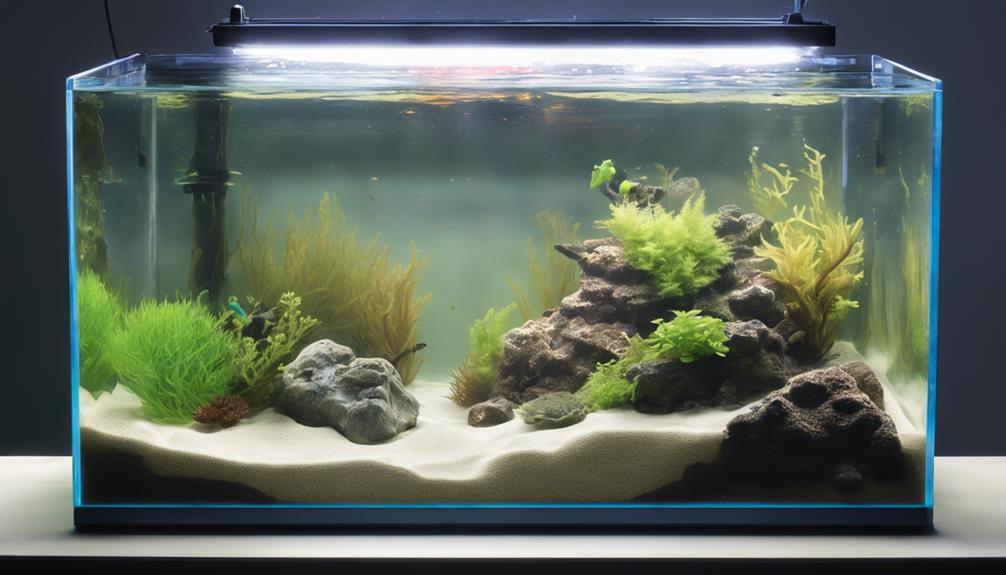
When setting up a breeding aquarium for cuttlefish, start by selecting a suitable tank that provides ample space for your adult cuttlefish to thrive. Aim for a minimum capacity of 50 gallons, as cuttlefish can grow up to 15 inches in length and require plenty of room to swim. A larger tank will also provide a more vital environment, which is essential for these sensitive creatures.
In terms of aquarium design, consider a tank with a secure, escape-proof lid, as cuttlefish are notorious escape artists. A bare-bottom tank or one with a thin layer of sand is recommended, as cuttlefish can ingest substrate and suffer from impaction. Additionally, include plenty of hiding places, such as rocks or artificial decorations, to reduce stress and provide your cuttlefish with a sense of security.
Before introducing your cuttlefish, make sure your tank is fully cycled. This means allowing the tank to cycle for 4-6 weeks, during which time beneficial bacteria will establish themselves, breaking down waste products and maintaining a healthy environment. Regularly test the water for ammonia, nitrite, and nitrate levels to confirm they are within safe ranges. By following these guidelines, you'll create a safe and thriving environment for your cuttlefish to breed and flourish.
Cuttlefish Nutrition and Feeding
As you introduce your cuttlefish to their new environment, it's important to understand their unique nutritional requirements to guarantee they receive a balanced diet that promotes healthy growth and successful breeding. Cuttlefish are carnivores and require a diet rich in protein to thrive.
To make sure your cuttlefish receive the nutrients they need, consider the following:
- Live Prey Alternatives: Offer live or frozen/freeze-dried crustaceans like brine shrimp, mysis shrimp, or krill as a staple food source. These options mimic their natural diet and provide essential nutrients.
- Freeze-Dried Options: Supplement your cuttlefish's diet with freeze-dried foods like squid, fish, or crab meat. These options are nutrient-rich and can be rehydrated to mimic live prey.
- Variety is Key: Rotate your cuttlefish's diet regularly to ensure they receive a broad spectrum of nutrients. A varied diet will help prevent nutritional deficiencies and promote healthy growth.
- Avoid Overfeeding: Cuttlefish have small stomachs and don't require a lot of food. Overfeeding can lead to water quality issues and negatively impact your cuttlefish's health.
Water Quality and Maintenance

You'll need to maintain impeccable water quality to keep your cuttlefish healthy and thriving. Cuttlefish are sensitive creatures, and even slight changes in water conditions can be detrimental to their health. To guarantee top-notch water quality, you'll need to perform regular water testing. Invest in a reliable water testing kit that can detect ammonia, nitrite, and nitrate levels. Regular testing will help you identify any potential issues before they become major problems.
Before introducing your cuttlefish to their new habitat, it's essential to cycle the tank. Tank cycling involves establishing a healthy colony of beneficial bacteria that can break down waste products. This process can take several weeks, but it's vital for maintaining a balanced ecosystem. You can speed up the cycling process by adding a commercial bacterial supplement or by introducing a small amount of mature filter media from an established tank.
Regular water changes are also essential for maintaining excellent water quality. Aim to change around 10-15% of the tank water weekly. This will help remove any built-up toxins and maintain a stable environment. Remember to always use a gravel vacuum to remove any debris and waste that can accumulate in the substrate. By following these simple steps, you'll be able to create a safe and healthy environment for your cuttlefish to thrive.
Egg Care and Hatching
Now that your tank is cycled and water quality is under control, it's time to focus on the next critical step: successfully hatching and caring for your cuttlefish eggs.
To guarantee a successful hatch, it's essential to provide ideal egg care. Cuttlefish eggs are prone to egg binding, a condition where the eggs stick together, reducing hatching success. To prevent this, gently rotate the eggs daily to prevent them from settling.
Here are some essential tips for incubation and hatching:
- Maintain ideal water flow: Ensure water circulation around the eggs to prevent fungal growth and promote healthy development.
- Monitor water temperature: Keep the water temperature between 22-25°C (72-77°F) to encourage healthy embryonic development.
- Maintain humidity: Keep the incubation chamber humid to prevent egg dehydration and promote healthy hatching.
- Avoid over-handling: Minimize handling the eggs to prevent damage and reduce the risk of infection.
Raising Cuttlefish Juveniles

With your cuttlefish eggs successfully hatched, it's important to focus on providing excellent care for the vulnerable juveniles, making sure they receive the necessary nourishment and environment to thrive. At this stage, you'll need to prioritize their nutrition, as they'll be hungry and require frequent feeding. Offer them small, nutrient-rich foods like brine shrimp or plankton, and make sure the water quality is pristine.
As your juveniles grow, socialization techniques become essential. You'll want to introduce them to other cuttlefish and peaceful tankmates, encouraging healthy interactions and reducing aggression. When selecting tankmates, choose species that are compatible in terms of size, temperament, and water requirements. Avoid mixing cuttlefish with aggressive or fin-nipping fish, as this can lead to stress and injury.
When it comes to tankmates selection, it's important to research and understand the specific needs of each species. For example, some fish, like damselfish or clownfish, can make great companions for cuttlefish. However, others, like angelfish or triggerfish, may be too aggressive or competitive for food. By providing a safe, well-maintained environment and carefully selecting tankmates, you'll be well on your way to raising healthy, thriving cuttlefish juveniles. Remember, attention to detail and a commitment to their care will ensure your cuttlefish grow into vibrant, intelligent, and fascinating creatures.
Frequently Asked Questions
Can I Breed Cuttlefish in a Community Aquarium With Other Fish?
When considering breeding cuttlefish in a community aquarium with other fish, you'll want to exercise caution. Cuttlefish can be fin-nippers and may attack tank mates, especially during breeding. Additionally, they're sensitive to water quality and can be stressed by the presence of other fish. You'll need to guarantee a stable, peaceful environment with plenty of hiding places and pristine water conditions to keep your cuttlefish and tank mates safe and thriving.
How Long Does It Take for Cuttlefish to Reach Full Maturity?
You're wondering how long it takes for cuttlefish to reach full maturity. Well, you'll be happy to know that they go through distinct growth stages, reaching developmental milestones along the way. Typically, it takes around 6-12 months for cuttlefish to reach full maturity, but this can vary depending on factors like diet, water quality, and genetics. Be patient and provide ideal care, and you'll be rewarded with healthy, thriving cuttlefish.
Are There Any Specific Temperature Requirements for Breeding Cuttlefish?
When breeding cuttlefish, you'll need to pay close attention to water temperature. Ideal ranges vary, but generally, you're looking at 55-65°F (13-18°C) for most species. However, some require warmer or cooler temperatures, so research the specific needs of your cuttlefish. Proper water circulation is also essential to maintain stable temperatures and prevent hotspots. You'll want to make sure your tank's water circulation is efficient to provide a safe environment for your cuttlefish to thrive.
Can I Use a Tank That Has Previously Housed Other Marine Animals?
Imagine a ticking time bomb, waiting to contaminate your cuttlefish. When it comes to reusing a tank that's previously housed other marine animals, you're playing with fire. The tank's history can be a breeding ground for biofilm, which can be devastating to your cuttlefish. You'll need to thoroughly clean and sanitize the tank to eliminate any lingering risks. Don't take the risk – start fresh to guarantee a safe and healthy environment for your cuttlefish.
Are There Any Laws or Regulations Governing Cuttlefish Breeding?
As you venture into cuttlefish breeding, you'll need to navigate the complex web of laws and regulations. You'll require Marine Permits, which guarantee your operations align with conservation efforts. International agreements, like CITES, regulate the trade of certain species. Don't forget to check Local Ordinances, as they can vary greatly. Research thoroughly to avoid legal snags and maintain a safe, responsible breeding practice.


