
You're about to start on the adventure of breeding cuttlefish, beginning with the delicate task of handling and caring for their eggs. First, set up a suitable breeding tank with sufficient space and water volume, ensuring it's fully cycled before introducing the eggs. Maintain ideal water conditions, with a temperature range of 22°C to 25°C and pH levels between 7.9 and 8.4. Regularly test water quality, perform water changes, and provide a nutrient-rich diet for healthy development. As you navigate the intricacies of cuttlefish egg care, the next essential steps will become clear, and you'll be well on your way to successfully nurturing these fascinating creatures.
Understanding Cuttlefish Egg Development

As you prepare to care for cuttlefish eggs, it's important to understand the development process that unfolds from fertilization to hatching. This complex process is essential to guarantee the healthy growth of your cuttlefish.
During fertilization, the male cuttlefish's sperm fertilizes the female's eggs, triggering a series of rapid cell divisions. The eggs then undergo a process called cleavage, where the zygote divides into multiple cells without substantial growth. This stage is critical, as it lays the foundation for the embryo's development.
As embryonic growth progresses, the eggs undergo gastrulation, where the cells begin to differentiate into distinct layers. This marks the beginning of organ formation, and the cuttlefish's body shape starts to take form. The egg morphology changes significantly during this stage, with the embryo growing and developing its internal organs.
It's important to provide ideal conditions for the eggs during this period, as any disruptions can impact the developing embryos. You should maintain a stable water temperature, ensure proper water circulation, and monitor the eggs for any signs of distress. By understanding the intricacies of cuttlefish egg development, you'll be better equipped to provide the necessary care for a successful hatch.
Setting Up a Breeding Tank
You'll need a well-planned breeding tank to provide the ideal environment for your cuttlefish eggs, building on your understanding of their development. A properly set up tank will guarantee that the eggs receive the necessary conditions for successful hatching and growth.
When designing your aquarium, prioritize space and water volume. A larger tank with a minimum capacity of 20 gallons will offer a stable environment, reducing stress on the eggs and facilitating easier maintenance. Consider a rectangular tank, as it will provide a larger surface area for the eggs to settle and develop.
Before introducing the eggs, make sure the tank is fully cycled. Tank cycling involves establishing a balanced ecosystem by growing beneficial bacteria that break down waste products. This process typically takes 4-6 weeks, during which time you should monitor water parameters and perform regular water changes.
A well-planned aquarium design will also help maintain water circulation and prevent dead spots, where eggs can become trapped and develop poorly. Incorporate features like powerheads or adjust the direction of your filter outlets to create gentle water movement. By taking the time to set up a well-designed breeding tank, you'll create an ideal environment for your cuttlefish eggs to thrive.
Water Quality and Maintenance
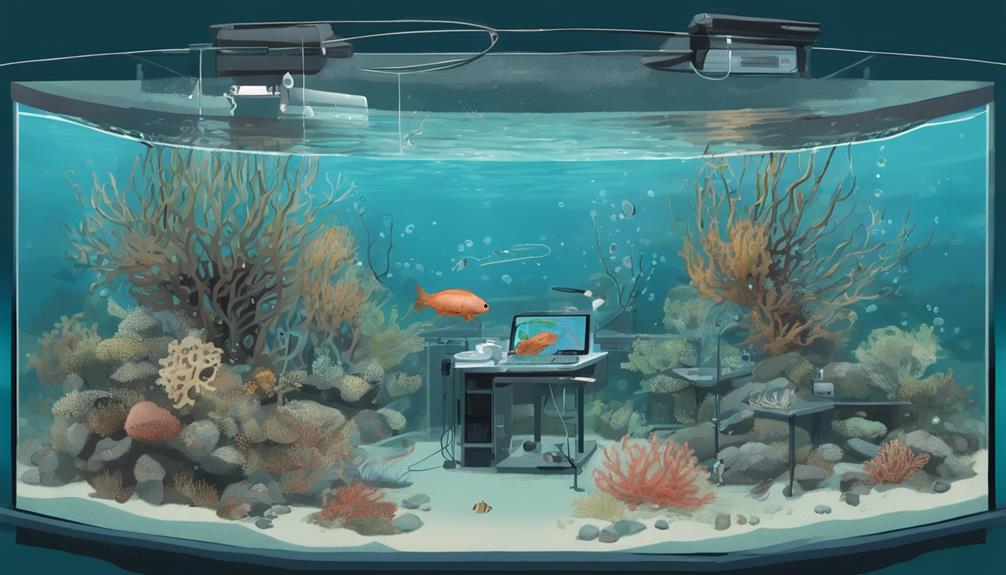
Maintaining impeccable water quality is essential for the survival and healthy development of your cuttlefish eggs, and regular water testing will help you identify any potential issues before they become detrimental. You should test the water for ammonia, nitrite, and nitrate levels daily, and make adjustments as needed. A well-maintained biological filter is vital in breaking down waste products, and you should confirm it's functioning properly.
| Parameter | Ideal Range | Action Level |
|---|---|---|
| Ammonia | 0 ppm | >0.25 ppm |
| Nitrite | 0 ppm | >1 ppm |
| Nitrate | <20 ppm | >40 ppm |
| pH | 7.9-8.4 | <7.5 or >8.6 |
| Water Circulation | 10-20 turnovers/hr | <5 turnovers/hr |
Regular water changes (about 10-15% every week) will help maintain excellent water quality. Confirm proper water circulation, as it's essential for the health and development of your cuttlefish eggs. A turnover rate of 10-20 times per hour is recommended. You can achieve this by adjusting the direction and flow rate of your powerheads or adding additional circulation pumps. Remember, a well-maintained tank with proper biological filtration and water circulation will provide a safe and healthy environment for your cuttlefish eggs to thrive.
Providing Optimal Water Conditions
When setting up a habitat for your cuttlefish eggs, you'll need to guarantee the water conditions are perfect for their development. You'll want to maintain a temperature range between 22°C to 25°C, which is ideal for their growth. Additionally, you'll need to monitor and adjust pH and alkalinity levels to create a stable environment that supports their health.
Water Temperature Ranges
When raising cuttlefish eggs, it's important to keep the water temperature between 22°C to 25°C (72°F to 77°F) to provide ideal conditions for development. This range allows for best embryonic growth and reduces the risk of deformities or mortality.
| Temperature Range | Effects on Embryos | Recommended Action |
|---|---|---|
| Below 20°C (68°F) | Slowed development, increased mortality | Increase temperature gradually |
| 20°C – 22°C (68°F – 72°F) | Slowed development, potential deformities | Maintain stable temperature |
| 22°C – 25°C (72°F – 77°F) | Best development, highest survival rate | Maintain stable temperature |
| Above 25°C (77°F) | Accelerated development, potential mortality | Decrease temperature gradually |
Oceanic fluctuations can cause thermal stratification, which may affect the water temperature in your tank. To mitigate this, make sure your tank is well-maintained, and you're monitoring the temperature regularly. By maintaining the best temperature range, you'll create a safe environment for your cuttlefish eggs to thrive.
Ph and Alkalinity Levels
You'll need to establish a narrow pH range of 7.9 to 8.4 and alkalinity levels between 2.5 and 3.5 meq/L to create ideal water conditions for your cuttlefish eggs. Maintaining these levels will guarantee the health and survival of your eggs. Sea chemistry plays an important role in recreating ocean fluctuations in your tank, and getting these levels right is essential.
Here are some key considerations to keep in mind:
- Regularly test your water for pH and alkalinity levels to make sure they remain within the best range.
- Make adjustments gradually and carefully to avoid sudden changes that can stress your eggs.
- Be prepared to make adjustments as your eggs develop, as their needs may change over time.
- Monitor your tank's sea chemistry regularly to anticipate and respond to any ocean-like fluctuations that may occur.
Feeding and Nutritional Support

As you care for your cuttlefish eggs, you'll need to provide the right nutrients to support their development. You'll want to offer protein-rich food sources that cater to the eggs' changing needs at different stages. By optimizing nutrient uptake, you'll be giving your cuttlefish eggs the best chance to thrive.
Protein-Rich Food Sources
Provide your cuttlefish eggs with a varied diet rich in protein from sources like brine shrimp, mysis shrimp, and plankton to promote maximum growth and development. A well-balanced diet is essential for the health and survival of your cuttlefish eggs. As a responsible aquarist, it's vital to guarantee your eggs receive the necessary nutrients to thrive.
When it comes to protein-rich food sources, consider the following options:
- Live Brine: A convenient and nutritious food source that's easy to hatch and cultivate.
- Fresh Plankton: Rich in protein and omega-3 fatty acids, fresh plankton is an excellent addition to your cuttlefish eggs' diet.
- Mysis Shrimp: A high-protein food source that's rich in nutrients and easy to digest.
- Artemia: A nutrient-rich food source that's easy to cultivate and provides essential amino acids.
Remember to rotate your food sources regularly to ensure a varied diet for your cuttlefish eggs. By providing a balanced and protein-rich diet, you'll be giving your eggs the best chance to grow and develop into healthy, thriving cuttlefish.
Egg Development Stages
During the incubation period, your cuttlefish eggs will undergo distinct developmental stages, each necessitating targeted feeding and nutritional support to guarantee maximum growth and survival. As the eggs develop, you'll notice significant changes that require adjustments in their care. Initially, the eggs will undergo eggshell formation, a critical stage where the embryo receives essential nutrients from the yolk sac. It's important to maintain excellent water quality and provide a nutrient-rich environment to support this process.
As the embryo grows, you'll start to observe embryonic movement, a clear indication of development. This stage is significant, and you should make sure the eggs receive adequate nutrition to sustain growth. You may need to adjust feeding schedules and food types to cater to the developing embryos' needs. By understanding these developmental stages, you can tailor your care to meet the eggs' specific requirements, increasing their chances of survival and healthy growth. By providing targeted support, you'll be rewarded with thriving, healthy cuttlefish.
Nutrient Uptake Optimization
You’ll need to carefully plan and execute a nutrient-rich feeding schedule to optimize embryonic development, ensuring the growing cuttlefish receive the necessary nutrients for healthy growth. A well-planned feeding schedule is vital to support the rapid growth and development of cuttlefish eggs. This involves providing a balanced diet that caters to their nutritional needs, while also maintaining a clean and healthy environment. Additionally, monitoring water quality and temperature is essential, as these factors can significantly impact embryo health and growth rates. Understanding how to properly feed cuttlefish is crucial; this includes providing a variety of suitable food sources, such as small zooplankton and specially formulated diets, to ensure they receive all necessary vitamins and minerals. Regularly assessing their behavior and growth will allow you to make adjustments to the feeding schedule and maintain optimal conditions for their development.
To achieve the best nutrient uptake, consider the following:
- Microbe management: Regularly monitor and control microbial growth to prevent the spread of disease and maintain water quality.
- Nutrient cycling: Ensure that excess nutrients are removed from the system to prevent the buildup of toxins and maintain a stable environment.
- Protein-rich foods: Provide a diet rich in protein to support rapid growth and development.
- Vitamin and mineral supplements: Add supplements as necessary to ensure the cuttlefish receive all the necessary nutrients for healthy growth.
Monitoring Egg Health and Development
Check on your cuttlefish eggs daily to catch any potential issues early, as timely intervention can greatly improve their chances of successful hatching. During egg observation, look for any visible signs of developmental milestones, such as embryo movement, yolk sac absorption, or changes in egg color. You can observe these changes using a magnifying glass or a microscope.
Record your observations to track the eggs' progress and identify any potential issues. This will help you pinpoint when the eggs are approaching hatching, which usually occurs after 10-15 days of incubation. As the eggs develop, you'll notice the embryos' eyes and internal organs forming.
Keep an eye out for any eggs that lag behind in development or show signs of stress, such as cloudiness or fungal growth. Remove any eggs that show these signs to prevent the spread of infection. A healthy egg will be transparent, with a visible embryo and a clear yolk sac. By monitoring your eggs closely, you'll be able to identify and address any issues promptly, increasing the chances of successful hatching and healthy cuttlefish.
Common Problems and Troubleshooting
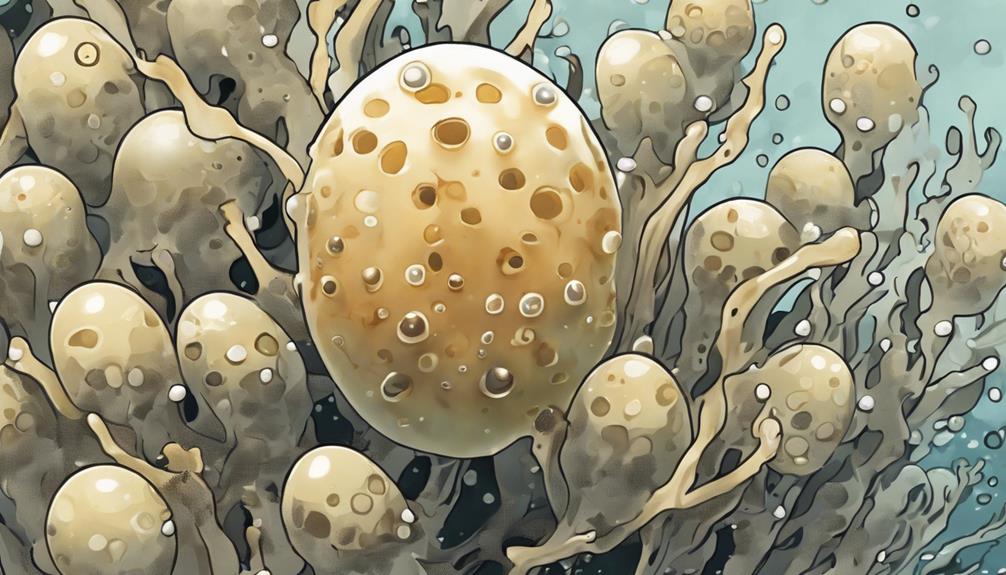
Many cuttlefish breeders encounter issues that can derail the entire hatching process, and being able to identify and address these problems quickly is essential. As a responsible breeder, it's vital to stay vigilant and take corrective action to guarantee the health and survival of your cuttlefish eggs.
Some common problems you may encounter include:
- Egg ROT: Fungal or bacterial infections can cause eggs to rot, leading to a decrease in water quality and even tank contamination. Regularly inspect your eggs for signs of decay, and remove any affected eggs promptly.
- Tank Contamination: Poor water quality, inadequate filtration, or overcrowding can lead to contamination, which can spread disease and harm your eggs. Regularly test your water parameters and perform partial water changes to maintain a healthy environment.
- Egg Dehydration: If your eggs are not properly moisturized, they can dehydrate, reducing their chances of hatching successfully. Ensure your eggs are kept in a humid environment, and mist them regularly to maintain the best moisture levels.
- Inadequate Water Circulation: Poor water circulation can lead to stagnation, which can cause eggs to develop improperly or not hatch at all. Ensure your tank has sufficient water circulation to promote healthy egg development.
Eggs to Hatchlings: The Transition
About 10-14 days after fertilization, your cuttlefish eggs will start to hatch, marking the beginning of an important shift period. This change from eggs to hatchlings requires your attention to detail and a gentle touch. As the eggs hatch, you'll notice the eggshell structure begins to break down, releasing tiny, vulnerable larvae into the water.
It's essential to maintain impeccable water quality during this period, as the larvae are extremely sensitive to changes in their environment. Any fluctuations in water temperature, pH, or ammonia levels can be devastating to the young cuttlefish. Make sure to monitor your water parameters closely and perform regular water changes to guarantee a stable environment.
As the larvae emerge, you'll observe their unique larval behavior. Cuttlefish larvae are pelagic, meaning they drift in the water column, and they're attracted to light. You may notice them gathering near the surface or around light sources. This natural behavior helps them find food and avoid predators in the wild, but in a captive setting, it's important to provide a safe and enriching environment to promote their growth and development.
During this critical shift, it's essential to prioritize the larvae's safety and well-being. By maintaining a pristine environment and providing ideal conditions, you'll set your cuttlefish hatchlings up for success as they begin their journey towards adulthood.
Post-Hatching Care and Rearing
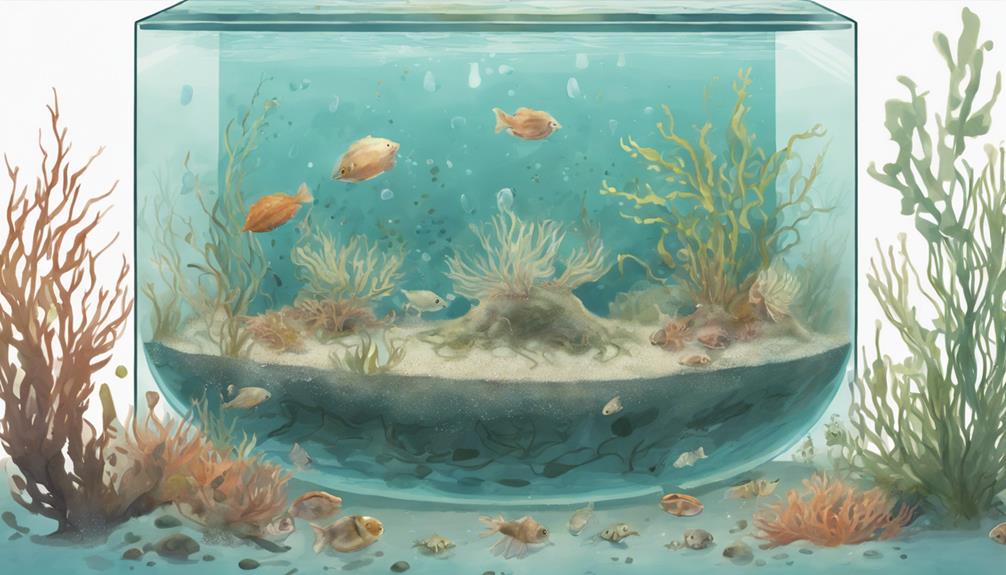
Rearing cuttlefish hatchlings requires a delicate balance of nutrition, water quality, and habitat enrichment, as you take on the critical role of providing the ideal environment for their growth and development. You'll need to guarantee their tank is well-maintained, with regular water changes and monitoring of water parameters to prevent stress and disease.
To promote healthy growth, provide a varied diet that includes live or frozen brine shrimp, mysis shrimp, and other nutrient-rich foods. Avoid overfeeding, as this can lead to poor water quality and stress on the hatchlings.
To create a stimulating environment, consider the following:
- Add tank decorations like rocks, plants, and treasure chests to provide hiding places and visual interest.
- Introduce a community of peaceful, small fish that can coexist with the cuttlefish, promoting social interaction and learning.
- Maintain a suitable temperature range (around 22-25°C) and pH level (around 7.9-8.4) to simulate their natural habitat.
- Rotate tank decorations regularly to prevent boredom and stimulate exploration.
Frequently Asked Questions
Can I Use a Regular Aquarium Filter for Cuttlefish Eggs?
When setting up a breeding tank for cuttlefish eggs, you'll need to rethink your filtration system. You can't use a regular aquarium filter, as it'll disrupt the delicate water chemistry. Instead, opt for a gentle filter with minimal flow to prevent eggs from being disturbed. Place the filter carefully to avoid strong currents. Regular filter maintenance is important to handle the biological load and guarantee the eggs develop safely.
How Often Should I Rotate the Eggs to Prevent Sticking?
When handling delicate cuttlefish eggs, you'll want to rotate them regularly to prevent sticking. Aim to gently roll the eggs 2-3 times a day, ensuring gentle movement to avoid damaging the eggs. This careful egg movement will help prevent adhesion and promote healthy development. Be cautious not to disturb the eggs excessively, as this can cause stress and reduce hatch rates.
Will the Eggs Hatch if They're Not Kept in Darkness?
You stumble upon a fascinating fact: did you know that some marine animals, like coral, can even synchronize their biological rhythms with lunar cycles? Similarly, cuttlefish eggs have an inherent response to light exposure. Unfortunately, if you don't keep them in darkness, photoperiod effects can disrupt their development, reducing hatching success. To guarantee a successful hatch, it's vital to maintain a dark environment, as even brief light exposure can negatively impact their development.
Can I Feed the Eggs or Are They Self-Sustaining?
You're wondering if you need to feed cuttlefish eggs or if they're self-sustaining. Good question! Here's the deal: cuttlefish eggs don't need external feeding. They're equipped with a built-in food supply, courtesy of the yolk sac. This nutrient-rich package provides all the necessary Egg Nutrition for development. Through Yolk Absorption, the embryos absorb the nutrients they need to grow, so you don't need to supplement with food. Simply provide a safe, stable environment, and let nature take its course.
What Is the Ideal Temperature Range for Cuttlefish Egg Incubation?
As you begin on this ancient mariner's quest, you'll need to navigate the perfect temperature range for cuttlefish egg incubation. Aim for a narrow window of 22-25°C (72-77°F), with minimal thermal gradients to prevent developmental abnormalities. Guarantee gentle water circulation to maintain a stable environment. Remember, a 1°C deviation can be catastrophic, so precision is key. By doing so, you'll increase the chances of a successful hatch, and your patience will be rewarded with a batch of healthy, curious cuttlefish.


