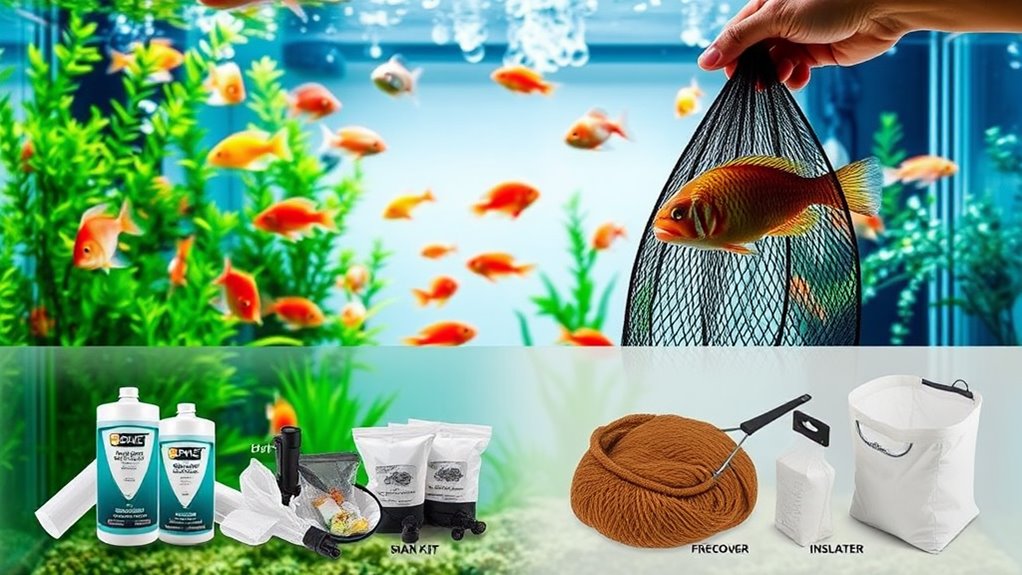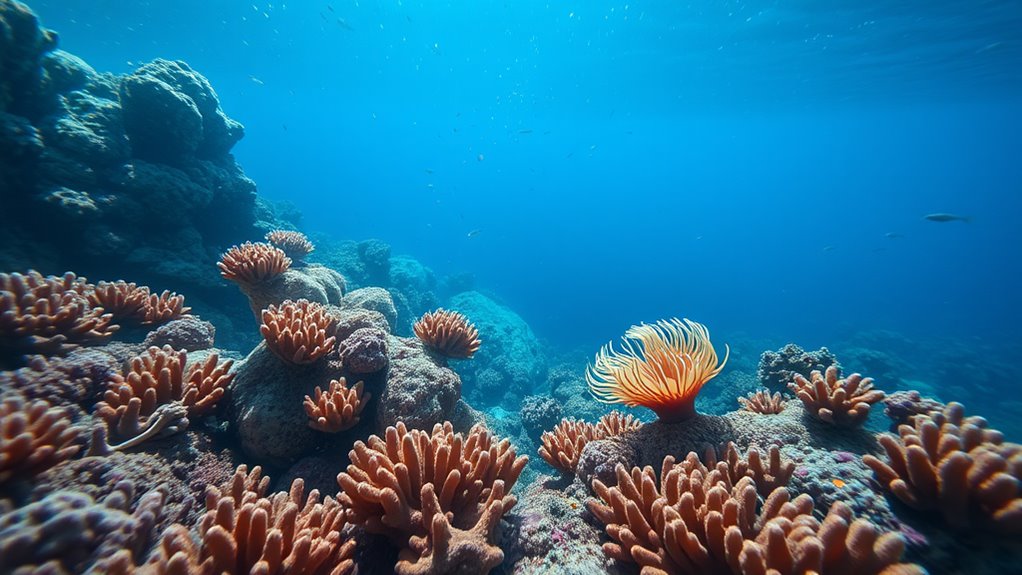
When setting up your coral reef tank, choosing the right equipment is essential. You’ll need to select suitable filters, a high-quality protein skimmer, and the right substrate, such as live sand or crushed coral. Consider the tank’s location, size, and budget when selecting equipment. Next, you’ll need to understand water chemistry, including pH, salinity, alkalinity, and temperature ranges ideal for coral growth. From there, you’ll select hardy coral species that are compatible with each other and your tank’s conditions. Proper lighting, regular water changes, and monitoring water quality are also vital. As you begin this expedition, prepare to learn more about maintaining a thriving coral reef ecosystem. Additionally, research on the dietary needs of the chosen coral species and consider incorporating live rock to provide beneficial bacteria and additional habitat. The process of setting up a saltwater aquarium can be intricate, but patience and diligence will yield rewarding results. Regularly documenting your tank’s progress will help you adjust your methods and enhance your understanding of maintaining this delicate ecosystem.
Choosing the Right Equipment
When plunging into coral reef conservation, you'll need the right equipment to make a meaningful impact. The type of equipment you choose can markedly affect the health and well-being of your coral reef ecosystem. Start by selecting a suitable filter type, such as a biological, mechanical, or chemical filter. Each type serves a distinct purpose, and comprehending their differences will help you choose the best option for your reef tank.
Skimmer options are equally important in maintaining ideal water quality. Consider investing in a high-quality protein skimmer to remove waste and excess nutrients from the water. Furthermore, explore various tank accessories, such as algae scrubbers and water circulation devices, to create a balanced environment.
Substrate choices can greatly impact the aesthetic and functionality of your reef tank. Choose a substrate that complements your coral and fish species, such as live sand or crushed coral. Circulation pumps and heater selection are also critical in maintaining a stable water temperature and circulation.
Don't forget to invest in necessary test kits to monitor water parameters, such as pH, ammonia, and nitrite levels. Dosing equipment, like calcium and alkalinity supplements, will likewise be necessary to maintain ideal water chemistry. By selecting the right equipment and comprehending their functions, you'll be well on your way to creating a thriving coral reef ecosystem.
Setting Up the Reef Tank
You've chosen the right equipment, but setting up the reef tank is where the real challenge begins. First, you'll need to select the perfect location for your tank, taking into account factors like lighting, temperature, and accessibility. By carefully considering these elements, you'll be able to create a thriving environment for your coral reef.
Choosing the Right Equipment
Setting up a thriving reef tank requires careful consideration of the equipment you'll need to create a stable environment for your coral. As a beginner, it is vital to research and invest in the right equipment types to guarantee the health and well-being of your marine life.
When choosing the necessary equipment, consider your tank size and budget. Filtration systems, heating options, and water circulation are vital tools for maintaining a stable environment. Lighting fixtures tailored for coral reefs are likewise important for promoting coral growth. Monitoring devices, such as pH and temperature meters, will help you keep track of water conditions. Don't forget to budget for emergency supplies, like a backup energy source and spare parts, to guarantee your tank remains stable during unexpected events.
Prioritize your spending based on your tank's particular needs, and don't hesitate to seek advice from experienced reef tank enthusiasts. By selecting the right equipment and staying committed to maintenance and upkeep, you'll be well on your way to creating a thriving reef tank that benefits both you and the marine life you're caring for.
Selecting the Perfect Location
Now that you've got the right equipment, it's time to think about where to place your reef tank. Regarding tank placement, you'll want to choose a location that considers various environmental factors. Direct sunlight can cause algae growth and stress to your corals, so it's best to place your tank near a north-facing window or use window treatments to filter out harsh sunlight.
Avoid placing your tank near heating or cooling vents, fireplaces, or drafty windows, as sudden temperature changes can be detrimental to your reef's health. You'll likewise want to keep your tank away from direct foot traffic to prevent vibrations and electrical interference.
Consider the weight of your tank and verify the floor can support it. A sturdy, level surface is crucial for preventing leaks and structural damage. Furthermore, keep your tank at least 6 inches away from walls to allow for proper air circulation and easy maintenance. By choosing a well-considered location for your reef tank, you'll be creating an ideal environment for your corals to thrive.
Selecting Coral Species
You've set up your reef tank, now it's time to choose the right coral species for a thriving ecosystem. When selecting corals, you'll want to contemplate hardy options that can tolerate changing tank conditions, along with a variety of colors and patterns to create a visually appealing display. You'll additionally need to think about compatibility, since some coral species don't get along and can even harm each other.
Choosing Hardy Corals
With regard to cultivating a thriving coral reef, choosing the right coral species is crucial. As a beginner, you'll want to focus on selecting hardy corals that can flourish in a home aquarium environment. Avoid common beginner mistakes, such as choosing corals that require specialized care or are prone to disease.
When selecting coral species, consider the overall health and balance of your coral reef ecosystem. Choose corals that are compatible with the water conditions and lighting in your tank. Look for corals that are known to be easy to care for and can tolerate minor water quality fluctuations.
Some popular hardy coral species for beginners include brain corals, mushroom corals, and leather corals. These corals are relatively easy to care for and can thrive in a well-maintained tank. They additionally provide a great starting point for building a diverse and thriving coral reef ecosystem. By choosing the right coral species, you'll be well on your way to creating a beautiful and healthy coral reef tank that will flourish for years to come.
Color and Pattern Options
When building a thriving coral reef ecosystem, selecting corals with unique color patterns and lively hues can improve the visual appeal of your tank. You'll want to reflect on vivid colors and unique patterns that create visual harmony. Coral aesthetics can greatly impact the overall design of your reef tank, so contemplate how different species will work together.
For design inspiration, look at the natural colors and patterns found in coral reefs. Nature often combines colors in ways that create stunning visual effects. Reflect on color combinations that complement each other, like blues and yellows, or purples and greens. Pattern diversity can additionally add depth and interest to your coral arrangements. Contemplate mixing different coral shapes and textures to create a visually appealing display.
When selecting coral species, contemplate how they will work together to create a cohesive look. Reflect on the overall color palette and pattern diversity you want to achieve. By choosing corals with a range of colors and patterns, you can create a unique and visually striking reef tank that showcases the beauty of coral reefs.
Compatibility Considerations
Selecting coral species that get along is vital to maintaining a thriving reef tank. When choosing tank mates, consider coral interactions and potential aggression between species. Research the size and growth patterns of each coral to ascertain they won't outcompete or damage each other. Some corals are territorial and may release chemicals to deter neighboring corals, so it's imperative to provide enough space between them.
In addition to coral interactions, consider fish compatibility when selecting species for your tank. Some fish may see corals as a food source or damage them during swimming. Choose fish that are reef-safe and won't harass or nip at your corals. Feeding habits play a role in compatibility, as some corals are aggressive feeders and may compete with fish for food. Territorial disputes and breeding behaviors should be considered, as some corals may become more aggressive during these times. By carefully selecting compatible coral species and tank mates, you'll be well on your way to creating a harmonious and thriving reef tank. This thoughtful approach will assist in minimizing stress and promote the well-being of your marine life.
Understanding Water Chemistry
Perfecting water chemistry is vital for maintaining the delicate balance of coral reefs. As a reef tank owner, you'll need to understand the complex interactions between various water parameters to create a stable environment for your corals to thrive.
To achieve this, you'll need to monitor and adjust several important parameters, including pH balance, salinity levels, and alkalinity significance. Here's a breakdown of some key water parameters and their ideal ranges:
| Parameter | Ideal Range | Importance |
|---|---|---|
| pH | 8.1-8.4 | Critical for coral growth and health |
| Salinity | 1.020-1.025 | Affects osmotic balance and nutrient uptake |
| Alkalinity | 8-12 dKH | Helps maintain pH stability and supports coral growth |
| Temperature | 72-82°F (22-28°C) | Impacts metabolic rates and nutrient cycling |
Biological filtration, nutrient cycling, and trace elements additionally play significant roles in maintaining reef stability. Regular testing with reliable kits will help you identify any imbalances, which can be addressed with targeted chemical additives.
Lighting for Coral Growth
When setting up a coral reef aquarium, you'll need to take into account the type of lighting that's best for your corals' growth. Different types of reef lighting offer varying spectrums and intensities, which can greatly influence coral health. By comprehending the options and how to tailor the light's spectrum, intensity, and timing to your corals' needs, you can create an ideal environment for growth.
Types of Reef Lighting
Behind lively coral growth, there's often a well-planned lighting system. As you consider the types of reef lighting for your aquarium, you'll want to evaluate options based on energy efficiency, coral response, and budget considerations. Two popular options are LED and T5 lighting systems.
| Lighting Type | Advantages | Considerations |
|---|---|---|
| LED | Energy-efficient, long-lasting, and flexible regarding color temperature and lighting placement. | Higher upfront cost, may require additional heat management. |
| T5 | Inexpensive, widely available, and easy to install. | Less energy-efficient, shorter lifespan, and limited control over color temperature. |
| Halide | High-intensity lighting, suitable for deeper aquariums. | Energy-intensive, produces excess heat, and requires frequent replacement. |
| Hybrid | Combines benefits of different lighting types, such as LED and T5. | Can be more expensive, and may require additional lighting control systems. |
| Fluorescent | Low-cost, low-maintenance option suitable for small aquariums. | Limited intensity, and less energy-efficient than other options. |
When selecting a lighting system, remember to prioritize your aquarium's unique needs. Consider the types of corals you'll be keeping, the tank's size and depth, and your budget. By choosing the right lighting system, you'll be able to create an environment that encourages healthy coral growth and improves the overall aesthetics of your aquarium.
Spectrum and Intensity
You've selected a suitable lighting system for your coral reef aquarium; now it's time to explore the specifics of spectrum and intensity. Spectrum analysis is vital in determining the light wavelength that promotes coral photosynthesis, which in turn supports reef health. A balanced spectrum that includes a mix of blue, violet, and red light wavelengths will stimulate coral growth rates and improve tank aesthetics.
The color temperature of your lighting system plays a significant role in coral behavior and growth. A temperature range of 10,000-20,000 Kelvin is ideal for promoting coral photosynthesis and overall reef health. When selecting a lighting system, consider a light measurement of PAR (photosynthetically active radiation) or PUR (photosynthetic usable radiation) to guarantee the light intensity meets the needs of your corals.
It's fundamental to avoid light pollution, which can cause stress to corals and negatively impact their growth. By choosing a lighting system with adjustable intensity and spectrum, you can create an ideal environment that supports the well-being of your corals and improves the overall beauty of your reef tank.
Photoperiod and Timing
Now that you've selected a suitable lighting system with the right spectrum and intensity for your coral reef aquarium, it's time to focus on the timing and duration of the light exposure. This aspect of lighting is vital for simulating natural light patterns, which play a significant role in reef ecology. By replicating these patterns, you'll create a more stable environment for your corals to thrive.
A typical photoperiod for a coral reef aquarium is 10-12 hours of light and 12-14 hours of darkness. You can use a timer or a controller to regulate the lighting system. Start with a gradual shift from day to night by introducing a 30-minute sunrise and sunset period. This will help your corals adjust to the changing light conditions.
It's important to maintain a consistent photoperiod to avoid disrupting the natural circadian rhythms of your corals. Avoid sudden changes to the lighting schedule, as this can cause stress to your corals. By simulating natural light patterns, you'll promote healthy coral growth and a thriving ecosystem in your reef tank.
Feeding and Nutrition Basics
Regarding feeding coral reefs, it is vital to understand their unique nutrition requirements. As a reef tank owner, you're not just feeding fish, but additionally providing sustenance for the coral, invertebrates, and other microorganisms. Coral diets consist of various nutrition sources, including plankton, small invertebrates, and other organic matter.
To cater to these diverse needs, you'll need to employ various feeding techniques and schedules. Target feeding allows you to deliver food directly to the coral or specific invertebrates, minimizing waste and ensuring they receive the nutrients they need. Supplemental foods like frozen or live plankton, brine shrimp, and commercial coral foods can be used to supplement the natural plankton availability in your tank.
Develop a feeding schedule that accommodates the different feeding behaviors and nutrient requirements of your reef inhabitants. Typically, feeding frequency is higher for fish and lower for coral. Observe your coral's response to different foods and adjust the feeding schedule accordingly. It is fundamental to provide a balanced diet, as coral nutrition requirements can vary depending on the species and lighting conditions.
Maintaining Proper Water Flow
Maintaining proper water flow is crucial for a thriving coral reef environment. You'll want to create a system that simulates the natural ocean currents that corals and other marine life are accustomed to. This involves creating flow patterns that promote healthy growth and prevent stagnant areas in your reef tank.
To achieve this, you'll need to carefully consider pump placement. Position your pumps to create a circular or zig-zag flow pattern, which will help distribute heat, nutrients, and oxygen evenly throughout the tank. Avoid placing pumps directly in front of corals, as this can cause stress and damage. Instead, use a combination of powerheads and return pumps to create a gentle flow that's easy on your corals.
When selecting pumps, choose ones that provide adjustable flow rates and have a low profile to minimize visual impact. Consider the size and shape of your tank, along with the specific needs of your corals, when determining the ideal flow rate. Aim for a flow rate of 10-20 gallons per minute (GPM) for most reef tanks. By creating a dynamic and well-balanced flow, you'll be able to provide your corals with the conditions they need to thrive. Regularly monitor and adjust your flow patterns to maintain the health and well-being of your reef tank.
Monitoring Water Quality
Water quality checklists are a vital tool for every reef tank owner. By regularly monitoring your tank's water quality, you can identify and address issues before they harm your corals or other marine life. Start by investing in a reliable testing kit that can measure pH levels, ammonia, nitrate, and phosphate levels.
Regular salinity testing is also important, as sudden changes in salinity can be devastating to your corals. Use a hydrometer or refractometer to verify the salinity level remains stable. Temperature fluctuations can likewise be detrimental, so invest in a reliable thermometer and heater or chiller to maintain a consistent temperature.
Nitrate control and phosphate management are significant for maintaining a healthy reef tank. Regular water changes can help keep these levels in check. Aim to change 10-15% of your tank's water weekly to prevent the buildup of toxins. A well-functioning filtration system can also help maintain ideal water quality. Research different filtration methods to find the best one for your tank.
When you first set up your tank, it's crucial to monitor the tank cycling process closely. This can be a challenging time, as ammonia spikes can occur. Keep a close eye on your tank's parameters during this period, and be prepared to take corrective action if necessary. By prioritizing water quality and taking proactive steps, you can create a thriving environment for your corals to grow and flourish.
Common Coral Diseases
By keeping your tank's water quality in check, you've taken a significant step in preventing coral diseases. Nonetheless, even with ideal conditions, coral stress can still occur. It's vital to know the common coral diseases and their symptoms to provide timely treatment and prevent further damage.
| Disease | Symptoms and Treatment |
|---|---|
| Brown Band Disease | White or brown band visible on coral tissue; treat with metronidazole or formalin dips |
| Cyanobacterial Infections | Slimy, green or brown growths on coral; treat with antibiotics or increase water flow |
| Flatworm Infestations | Flat, oval-shaped worms on coral; treat with medication or manually remove |
Disease prevention is key, but you should likewise be aware of the environmental impact of coral diseases. Coral stress can be triggered by environmental factors, such as changes in water temperature or chemistry. Regular health monitoring is necessary to identify potential issues before they become severe.
When dealing with coral diseases, it's important to follow proper quarantine procedures to prevent the spread of pathogens to other corals. Always wash your hands before handling corals, and avoid sharing equipment between tanks to minimize the risk of contamination.
Regular Maintenance Schedule
To keep your coral reef thriving, it's essential to pin down a regular maintenance schedule. This will help you stay on top of your tank's needs, guaranteeing a healthy environment for your coral and other marine life.
Start by setting a weekly routine that includes tank cleaning, algae control, and equipment inspection. You'll want to check your pumps, heaters, and protein skimmer to make certain they're working properly. This is also a good time to trim any excess algae growth and remove any debris that's accumulated in the tank.
In addition to your weekly routine, you'll want to perform water changes on a regular basis. This will help maintain ideal water quality and keep your coral healthy. You'll likewise want to monitor your coral placement and adjust as needed to guarantee proper growth and development.
Seasonal adjustments are equally important to contemplate, as changes in temperature and lighting can affect your reef biome. Be sure to make adjustments to your lighting and heating schedules to accommodate these changes.
Additionally, think about implementing a pest management plan to prevent unwanted critters from taking over your tank. Regular nutrient dosing can also help promote healthy coral growth. Finally, be patient during the tank cycling process, as it can take time for your tank to reach ideal levels. By following these tips, you'll be well on your way to creating a thriving coral reef ecosystem.
Frequently Asked Questions
Can I Keep Fish With Coral in a Reef Tank?
When adding fish to your reef tank, consider fish compatibility with your coral species. You'll want to choose fish that won't harass or compete with coral for food. Some fish, like butterflyfish and angelfish, are known to pick at coral, so it's best to avoid them. Research compatible fish species before adding them to your tank. This way, you'll create a harmonious environment for both your fish and coral to thrive.
How Often Should I Test for Water Parameters?
You're taking a proactive approach to ensuring the health of your aquatic life. To stay on top of water quality, you should test for water parameters regularly. Aim to test at least once a week, but ideally 2-3 times if you notice any parameter fluctuations. This will help you catch any changes before they become major issues, allowing you to make adjustments and keep your water safe for your aquatic friends.
Can I Use a Reef Tank as a Decoration Piece?
You're considering using a reef tank as a decoration piece, and that's understandable given its aesthetic appeal. Nonetheless, it's crucial to keep in mind that a reef tank is a living ecosystem requiring regular tank maintenance. You'll need to balance the beauty of the setup with the responsibility of caring for its inhabitants. If you're willing to put in the work, a reef tank can be a stunning and rewarding addition to any space.
Are Reef Tanks Suitable for Beginners or Kids?
You're considering a reef tank for a beginner or kid, but you're not sure if it's a good idea. Although reef tanks can be stunning, they require regular tank maintenance, which can be overwhelming for kids or those new to aquarium-keeping. Nonetheless, beginner kits can help simplify the process. Some coral types are more forgiving than others, and kid-friendly fish like clownfish or damselfish can thrive in a well-maintained reef tank.
Can I Add Live Rocks to an Existing Reef Tank?
You might think adding live rocks to an existing reef tank is a recipe for disaster, but with caution, it's doable. You'll want to choose live rock types that complement your current setup. When adding live rocks, verify they're fully cured and free of pests. This is likewise a great opportunity to add corals that thrive on live rock, like encrusting corals or coral frags. Monitor your tank's parameters and make adjustments as needed.