
You're about to create a serene and comfortable environment for your cuttlefish, and it starts with a thoughtful consideration of their unique needs. Start by choosing a spacious tank with a minimum capacity of 50 gallons, and design a calming layout with rocky reef structures, hidden caves, and natural seaweed decor. Guarantee stable water parameters, minimize noise and vibrations, and select peaceful tankmates. Avoid bright and harsh lighting, and create a natural day-night cycle. By following these tips, you'll be well on your way to crafting a peaceful oasis for your cuttlefish – and there's still more to discover to create the ultimate haven.
Choosing the Right Tank Size
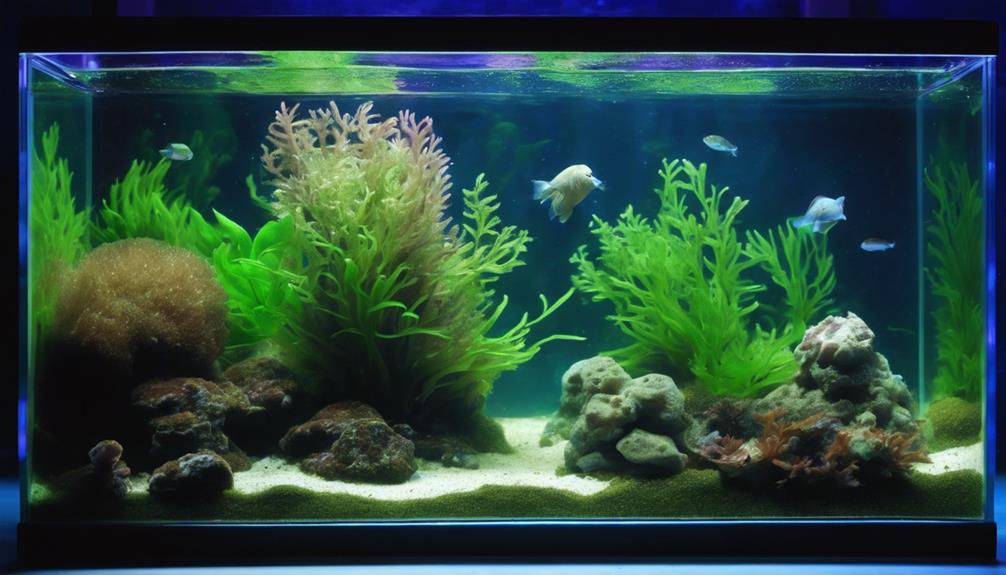
When deciding on a tank size for your cuttlefish, remember that a minimum capacity of 50 gallons is recommended for the first cuttlefish, with an additional 20 gallons for each additional cuttlefish. This guarantees your cuttlefish have enough space to thrive and reduces stress. Inadequate tank capacity can lead to water quality issues, aggression, and even disease.
To calculate the ideal tank size, consider the number of cuttlefish you plan to keep. For example, if you want to keep three cuttlefish, you'll need a tank with a minimum capacity of 90 gallons (50 gallons for the first cuttlefish + 20 gallons for each additional two). Volume calculations are essential to provide a safe and healthy environment.
It's important to prioritize tank capacity and volume calculations to prevent overcrowding, which can be detrimental to your cuttlefish's well-being. A larger tank provides a stable environment, allowing you to maintain ideal water quality and reduce the risk of water parameter fluctuations. By choosing the right tank size, you're ensuring your cuttlefish live a happy, healthy, and peaceful life. Remember, it's always better to err on the side of caution and invest in a larger tank to guarantee your cuttlefish receive the care they deserve.
Selecting a Calming Tank Layout
When designing a calming tank layout for your cuttlefish, you'll want to focus on creating a serene atmosphere that reduces stress and promotes relaxation. You can achieve this by incorporating rocky reef structures that provide hiding places and visual interest, as well as calm water flow zones that minimize turbulence. By thoughtfully arranging these elements, you'll be creating a peaceful environment that allows your cuttlefish to thrive.
Rocky Reef Structures
You can create a calming tank layout by incorporating rocky reef structures, which provide your cuttlefish with a sense of security and visual interest. These structures mimic the natural habitats of cuttlefish, allowing them to feel comfortable and relaxed. By incorporating rocky outcrops and artificial formations, you can create a peaceful environment that simulates the ocean floor. In addition to rocky reef structures, consider adding plants and soft substrate to further enhance the aesthetic appeal of the tank. Using live or artificial plants can provide additional hiding spots, contributing to the overall sense of safety for your cuttlefish. When researching how to create an ocean habitat, remember to pay attention to water parameters and lighting, as these factors play a crucial role in maintaining a healthy environment for your aquatic inhabitants.
When designing your tank layout, consider the shape and size of the structures. Tall, vertical formations can create a sense of grandeur, while shorter, more horizontal structures can provide hiding places and visual interest. You can also incorporate artificial formations, such as ceramic or plastic rocks, to add variety to the layout.
Remember to leave enough swimming space for your cuttlefish to move freely. Aim for a balance between open water and structural features to create a sense of tranquility. By incorporating rocky reef structures into your tank design, you can create a peaceful and engaging environment that promotes the health and well-being of your cuttlefish.
Calm Water Flow Zones
A calming tank layout should incorporate calm water flow zones, which are essential for reducing stress and anxiety in cuttlefish, as they prefer gentle currents that mimic the ocean's natural rhythms. You can achieve this by creating areas with minimal water movement, allowing your cuttlefish to rest and relax. Gentle currents are vital, as they help to reduce stress and promote a sense of calm.
To create calm water flow zones, consider the placement of decorations and tank accessories. Soothing edges, such as rounded rocks or smooth coral, can help to dissipate strong currents and create pockets of calm water. You can also use plants or other decorations to block or redirect strong water flows, creating areas of gentle water movement.
Maintaining Stable Water Parameters
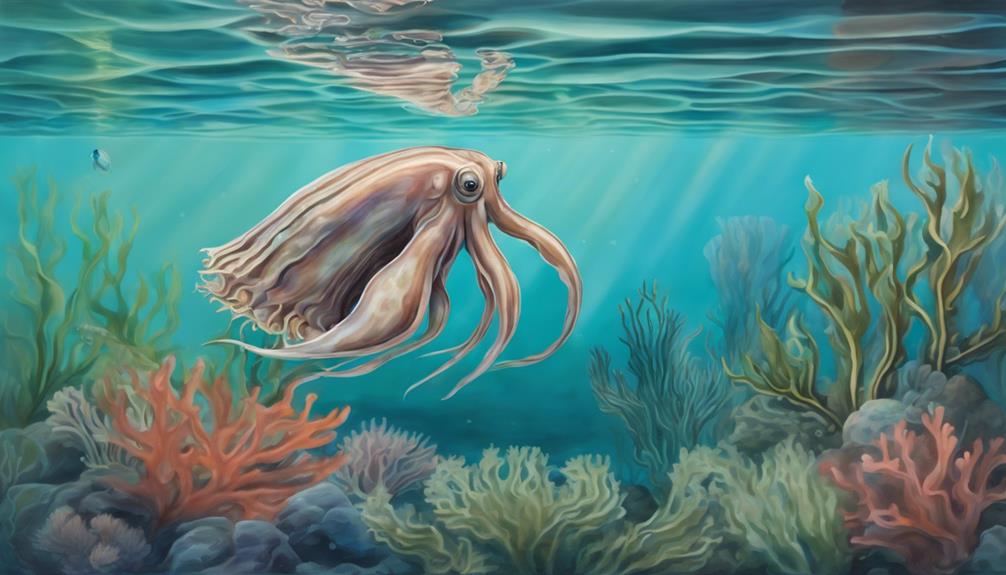
Stable water parameters are essential to your cuttlefish's well-being, and it's important that you monitor and adjust the water's pH, ammonia, nitrite, and nitrate levels regularly. Sudden changes can be stressful for your cuttlefish, so it's key to maintain a stable environment. pH swings, for instance, can be particularly harmful to your cuttlefish's health. Even slight fluctuations can cause stress, which can lead to illness or even death.
To guarantee a safe and healthy environment, you should:
- Monitor pH levels daily and make adjustments as needed to maintain a stable range.
- Implement effective ammonia control measures, such as regular water changes and a balanced biological cycle.
- Regularly test for nitrite and nitrate levels, making adjustments to maintain ideal levels.
- Perform regular water changes to maintain ideal water quality and prevent the buildup of toxins.
Minimizing Noise and Vibrations
As you work to create a peaceful environment for your cuttlefish, you'll want to prioritize minimizing noise and vibrations in their tank. You're likely aware that loud pumps and filters can be stressful for your cephalopod, so it's essential to take steps to reduce the racket. By creating a quiet tank environment and reducing pump hum, you'll be helping your cuttlefish feel more at ease.
Quiet Tank Environments
You'll often find that cuttlefish are highly sensitive to noise and vibrations, which can quickly stress them out and disrupt their natural behavior. Creating a quiet tank environment is essential to make sure your cuttlefish feel calm and secure.
To minimize noise and vibrations, consider the following:
- Place your tank away from noisy areas, such as laundry rooms or home offices.
- Use sound-absorbing materials, like acoustic panels or soft decorations, to reduce echo and reverberation.
- Position your tank on a sturdy, vibration-dampening surface, like a thick rubber mat or a specialized aquarium stand.
- Be a silent observer, avoiding sudden movements or loud noises near the tank, which can startle your cuttlefish.
Reduced Pump Hum
To reduce pump hum, which can be a significant contributor to noise and vibrations in your tank, consider using a high-quality pump with a built-in silencer or a pump with a lower decibel rating. This will help minimize the disturbance to your cuttlefish and create a more peaceful environment.
When selecting a pump, look for features that promote silent operation and hum reduction. Some pumps are specifically designed to operate quietly, and these can be a great option for your tank. You can also consider adding a vibration-dampening material, such as a rubber mat, under the pump to further reduce the noise and vibrations.
Selecting Peaceful Tankmates Only
By selecting tankmates that thrive in similar water conditions and have calm temperaments, you can create a harmonious environment for your cuttlefish. This is essential, as aggressive species can stress out your cuttlefish and even cause fin nipping or territorial disputes.
When choosing tankmates, it's vital to take into account fish compatibility. Avoid mixing species with vastly different schooling behaviors or territorial boundaries, as this can lead to conflicts. Instead, opt for species that coexist peacefully and have similar swimming levels and water requirements.
Here are some key considerations to keep in mind when selecting peaceful tankmates:
- Avoid mixing species with aggressive or fin-nipping tendencies, as they can harass your cuttlefish.
- Choose species that thrive in similar water conditions, such as pH and temperature ranges.
- Select species that have calm temperaments and won't compete with your cuttlefish for food or resources.
- Consider species that occupy different swimming levels, reducing competition and territorial disputes.
Adding Calming Decorations Only
Now that you've selected peaceful tankmates, it's time to focus on adding calming decorations to create a serene atmosphere for your cuttlefish. You'll want to incorporate elements that promote relaxation, such as soothing color schemes, hidden cave structures, and natural seaweed decor. By doing so, you'll create a tranquil environment that allows your cuttlefish to thrive.
Soothing Color Schemes
You can create a calming atmosphere for your cuttlefish by selecting a soothing color scheme that promotes relaxation and reduces stress. The colors you choose can greatly impact the mood and behavior of your cuttlefish, so it's essential to get it right.
To create a peaceful environment, consider the following soothing color schemes:
- Pastel hues such as light blue, pale pink, and mint green, which can help to calm your cuttlefish and reduce anxiety.
- Muted tones like beige, gray, and taupe, which can create a sense of serenity and tranquility.
- Soft, calming shades like lavender, peach, and powder blue, which can promote relaxation and reduce stress.
- Nature-inspired colors like sage, sand, and driftwood, which can bring a sense of calm and connection to the natural world.
Hidden Cave Structures
Incorporating hidden cave structures into your cuttlefish's environment can provide a sense of security and comfort, allowing them to retreat from the open water and relax in a cozy, sheltered space. You can create a sense of complexity by adding multiple cave entrances, tunnels, and chambers, giving your cuttlefish plenty of options to explore and hide. This cave complexity will keep your cuttlefish engaged and stimulated, reducing stress and anxiety.
When designing your cave architecture, consider adding varying levels of darkness and illumination to mimic the natural environment. This will help your cuttlefish feel more at ease, as they're able to retreat to darker areas when feeling overwhelmed. You can also incorporate smooth, rounded edges and gentle curves to create a calming atmosphere. By providing your cuttlefish with a network of hidden caves, you're giving them the freedom to choose their own level of social interaction and solitude, leading to a more peaceful and relaxed environment.
Natural Seaweed Decor
By incorporating natural seaweed decor into your cuttlefish's environment, you can create a calming and serene atmosphere that mirrors their natural habitat. This type of decor is not only aesthetically pleasing, but it also provides a sense of security and comfort for your cuttlefish.
Here are some tips for incorporating natural seaweed decor into your cuttlefish's environment:
- Use a variety of seaweed species, such as kelp or dulse, to create a visually interesting landscape.
- Add decorative accents, like shells or pebbles, to create a natural-looking environment.
- Consider using artificial seaweed decor that is safe for your cuttlefish to swim near and explore.
- Mix and match different types of seaweed to create a unique and dynamic environment that will keep your cuttlefish engaged and curious.
Avoiding Bright and Harsh Lighting
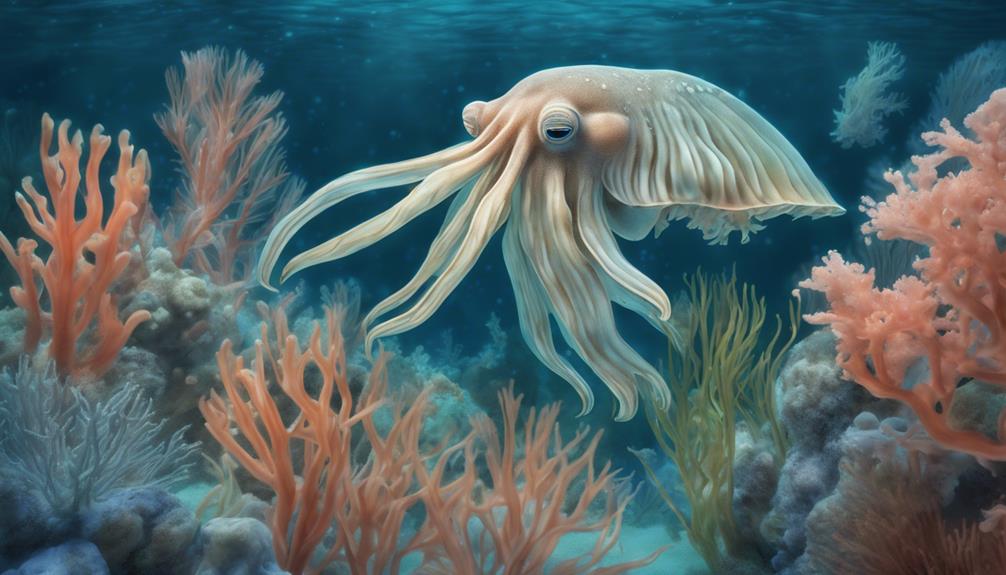
Cuttlefish are naturally sensitive to intense illumination, so it's essential to limit their exposure to bright and harsh lighting. You wouldn't want your cuttlefish to feel stressed or anxious due to excessive light, which can lead to health problems. To create a peaceful environment, you'll need to take steps to minimize harsh lighting.
Soft shading is a great way to achieve this. You can use shading materials like LED light shields or mesh covers to filter the light and reduce its intensity. This will help create a more comfortable environment for your cuttlefish. You can also use plants or other decorations to block direct light and create a sense of calm.
Light diffusion is another effective way to reduce harsh lighting. You can use diffusers or specialized lighting equipment to scatter the light, making it softer and less intense. This will help create a more natural environment for your cuttlefish, allowing them to feel more at ease.
Creating a Natural Day-Night Cycle
Set up a day-night cycle that mimics the natural environment to help regulate your cuttlefish's internal clock and promote a sense of calm. By simulating the natural day-night cycle, you can help your cuttlefish's internal circadian rhythms adjust to a regular schedule, reducing stress and anxiety.
To create a natural day-night cycle, consider the following:
- Gradual changes: Instead of sudden adjustments, use a timer to gradually increase or decrease the light intensity to mimic the sunrise and sunset.
- Lunar cycles: Adjust the lighting to match the lunar cycles, with brighter lights during the full moon and dimmer lights during the new moon.
- Natural light spectrum: Use LED lights that mimic the natural light spectrum, with a blue-ish tone during the day and a reddish tone at night.
- Consistency: Stick to a consistent day-night cycle, even on weekends or days off, to maintain your cuttlefish's internal clock.
Reducing Water Movement and Flow
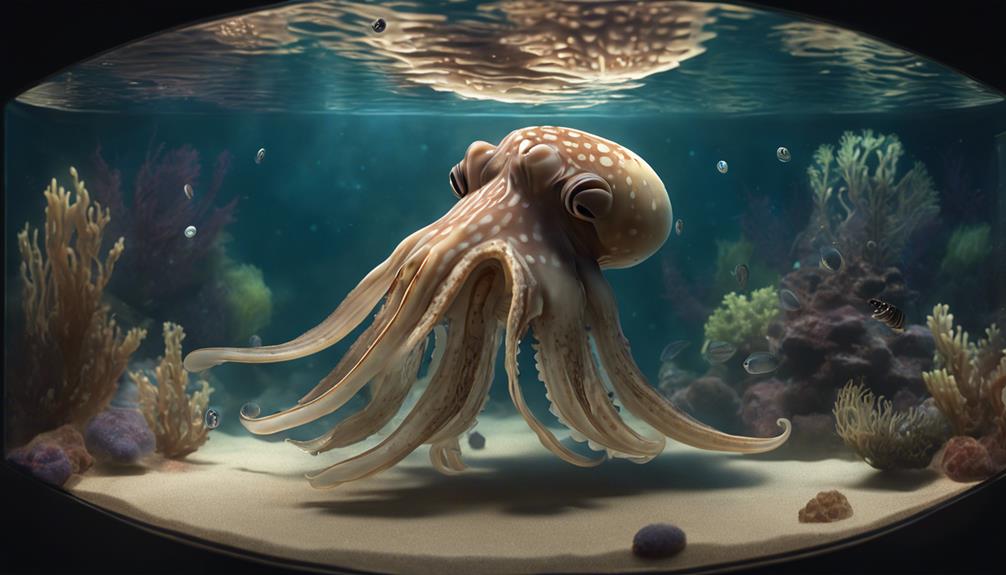
Having established a natural day-night cycle, it's now important to evaluate the water movement and flow in your cuttlefish's tank, since excessive water flow can cause stress and anxiety. You want to create a peaceful environment that mimics the calm waters of the ocean, not the turbulent ocean swells.
| Method | Effectiveness | Ease of Implementation |
|---|---|---|
| Reducing Pump Power | High | Easy |
| Adding Current Breakers | Medium | Moderate |
| Increasing Tank Size | High | Difficult |
| Rearranging Decorations | Low | Easy |
| Installing a Refugium | High | Moderate |
To reduce water movement, you can try reducing the power of your pumps or adding current breakers to dissipate the flow. You can also consider increasing the size of your tank, which will naturally reduce water movement. Another option is to rearrange the decorations in your tank to create areas of calm water. If you're feeling ambitious, you can install a refugium, which will not only reduce water flow but also help with water quality. Remember, every cuttlefish is different, so it's essential to observe your pet's behavior and adjust the water flow accordingly. By creating a peaceful environment, you'll help reduce your cuttlefish's stress and anxiety, ensuring a happy and healthy life.
Monitoring and Maintaining Water Quality
You need to regularly test the water in your tank to make sure it remains safe and healthy for your cuttlefish. This is vital because cuttlefish are highly sensitive to changes in water quality, and poor conditions can lead to stress, illness, or even death.
To guarantee top-notch water quality, you should perform regular water testing. This involves monitoring parameters such as ammonia, nitrite, and nitrate levels, as well as pH, salinity, and alkalinity. By doing so, you can identify any potential issues before they become major problems.
Here are some key aspects to focus on when maintaining water quality:
- Perform regular water changes: Replace 10-15% of the tank water weekly to remove built-up toxins and maintain a healthy balance of nutrients.
- Monitor chemical cycling: Ensure that your tank's biological cycle is established and stable, allowing beneficial bacteria to break down waste efficiently.
- Maintain proper water circulation: Ensure that water flows smoothly and evenly throughout the tank, preventing stagnant areas that can harbor bacteria and toxins.
- Avoid overfeeding: Only provide your cuttlefish with as much food as they can consume within a few minutes, preventing excess nutrients from accumulating in the water.
Frequently Asked Questions
Can Cuttlefish Be Kept in a Biotope With Other Mediterranean Species?
When considering tankmates for your cuttlefish, you're wise to wonder if Mediterranean species can coexist peacefully. While it's important, it's vital to choose tankmates carefully. Avoid species that might harass or compete with your cuttlefish for food. Research and select calm, small, and peaceful Mediterranean species that thrive in similar water conditions. Remember, a harmonious tank relies on wise tankmates selection, ensuring a safe and thriving environment for your cuttlefish.
How Often Should I Rotate My Cuttlefish's Food to Prevent Boredom?
You're wise to wonder how often to rotate your cuttlefish's food to prevent boredom. Research suggests that a varied diet is key to keeping your cephalopod engaged. Aim to rotate their food every 2-3 days to guarantee a mix of nutrients and prevent habituation. Consider a nutrient rotation plan that includes a mix of meaty and crunchy foods, like shrimp and squid, to keep mealtime exciting. This variety will keep your cuttlefish curious and stimulated.
Can I Keep My Cuttlefish in a Tank With a Strong Powerhead?
When considering a tank with a strong powerhead for your cuttlefish, you'll want to prioritize their safety. Be cautious of powerful flow rates, as they can stress or even injure your cephalopod friend. Aim for a moderate water circulation that mimics their natural habitat. A gentle flow will keep your cuttlefish calm and happy, ensuring a safe and thriving environment.
Do Cuttlefish Make Good Pets for Beginners With Limited Experience?
'When in Rome, do as the Romans do' – but when it comes to cuttlefish, it's more like 'when in doubt, don't take the plunge.' As a beginner with limited experience, you'll find that cuttlefish make poor pets. Their care requires a high level of expertise, and even slight mistakes can be detrimental to their health. Pet suitability is essential, and with cuttlefish, it's a challenge you're not ready for. Be safe, and consider more beginner-friendly options.
Can I Handle My Cuttlefish Gently to Help It Get Used to Me?
You're wondering if gentle handling can help your cuttlefish get comfortable with your presence. The answer is yes! With a gentle touch, you can help your cuttlefish associate your presence with calmness. Move slowly, let it get used to your hands, and avoid sudden movements. Your calming presence will help it feel more at ease, making handling a positive experience for both you and your pet.


