
You'll need to maintain a temperature range of 50°F to 55°F in your cuttlefish tank, with fluctuations of no more than 2-3°C between zones, to guarantee the health and well-being of your cuttlefish. Choose a reliable heater that can maintain a consistent temperature, and place it strategically for good water circulation. Set up a temperature gradient with distinct heat zones, and monitor the water temperature regularly. By following these steps, you'll be well on your way to creating a comfortable environment for your cuttlefish. Now, it's time to take the next step in fine-tuning your tank's temperature.
Choosing the Right Heater
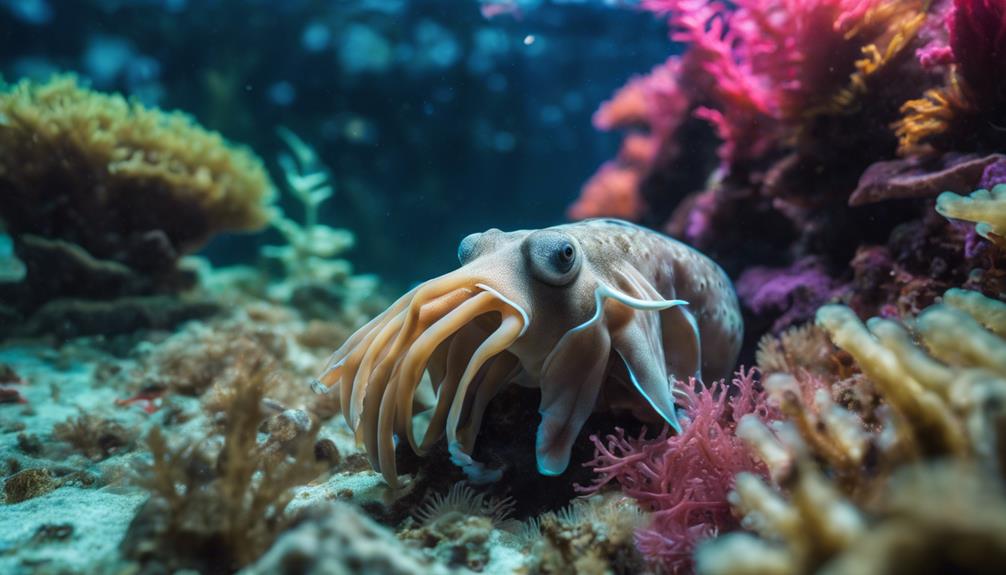
When setting up a cuttlefish tank, you'll need a reliable heater that can maintain a consistent temperature between 50°F and 55°F, which is essential for these marine animals' survival. A good heater is vital to guarantee your cuttlefish thrive. You'll want to choose a heater that's specifically designed for saltwater aquariums and can handle the unique demands of a cuttlefish tank.
Before making a purchase, read heater reviews from reputable sources to get an idea of which models are reliable and efficient. Look for reviews that mention the heater's ability to maintain a consistent temperature, its energy efficiency, and its durability. You'll want a heater that can provide a stable temperature, even when the power goes out.
When it comes to heater placement, you'll want to position it in a way that allows for good water circulation around the heater. Avoid placing the heater near any decorations or plants, as this can create hotspots and reduce the heater's effectiveness. Instead, place the heater in an open area, such as near the bottom of the tank or near the filter outlet. This will help distribute the heat evenly throughout the tank and ensure your cuttlefish are comfortable and healthy. By choosing the right heater and placing it correctly, you'll be able to create a safe and thriving environment for your cuttlefish.
Setting Up a Temperature Gradient
To establish a comfortable and thriving environment for your cuttlefish, you'll need to create a temperature gradient, which allows your cuttlefish to move between cooler and warmer areas of the tank. This gradient is essential for your cuttlefish's well-being, as it enables them to regulate their body temperature and engage in natural behaviors.
To set up a temperature gradient, you'll need to create heat zones within your tank. You can achieve this by placing heaters in specific areas of the tank, creating distinct temperature layers. Aim to create a gradient with a temperature range of around 2-3°C (3.6-5.4°F) between the warmest and coolest areas. This will allow your cuttlefish to move freely between the heat zones, adjusting their body temperature as needed.
When designing your gradient, consider the natural behavior of your cuttlefish. They tend to spend more time in cooler areas during the day and warmer areas at night, so place your heaters accordingly. You can also use decorations, such as rocks or plants, to create gradient layers within the tank. This will provide your cuttlefish with a more natural environment, allowing them to move between heat zones with ease. By establishing a well-designed temperature gradient, you'll create a safe and thriving environment for your cuttlefish to flourish.
Monitoring Water Temperature

As you monitor the water temperature in your cuttlefish tank, you'll want to perform regular thermal gradient checks to guarantee a stable environment. You'll also need to take daily temperature readings to catch any fluctuations that might impact your cuttlefish's health. By doing so, you'll be able to make adjustments as needed to maintain ideal temperatures.
Thermal Gradient Checks
You'll need to perform thermal gradient checks regularly to verify that your cuttlefish tank's water temperature remains stable and within the ideal range. This is important because cuttlefish are sensitive to temperature fluctuations, and even slight changes can cause stress or even death.
To perform a thermal gradient check, divide your tank into four sections: top, middle, bottom, and substrate. Use a thermometer to measure the temperature in each section. Compare the readings to make sure a consistent temperature throughout the tank.
| Location | Ideal Temperature Range (°C) |
|---|---|
| Top | 22-24 |
| Middle | 22-24 |
| Bottom | 20-22 |
| Substrate | 18-20 |
Seasonal adjustments may be necessary to accommodate changes in aquatic geography. For example, if you live in an area with cold winters, you may need to increase the temperature during the winter months. Conversely, you may need to decrease the temperature during the summer months. By performing regular thermal gradient checks, you can guarantee your cuttlefish tank remains a safe and healthy environment for your pets.
Daily Temp Readings
Monitoring water temperature daily helps you catch any deviations from the ideal range before they become a problem for your cuttlefish. By keeping a close eye on the temperature, you can guarantee your cuttlefish thrive in a stable environment. To maintain the best temperature, establish a routine of daily readings, ideally at the same time each day. This will help you detect any fluctuations and make adjustments as needed.
Keep a Temp Log to record your readings, noting the time, temperature, and any observations. This log will help you identify patterns and pinpoint potential issues. Aim for a reading frequency of at least twice a day, once in the morning and once in the evening, to capture any temperature swings. Be sure to check the temperature in multiple areas of the tank, as temperatures can vary depending on the location. By staying vigilant and maintaining accurate records, you'll be better equipped to provide a safe and healthy environment for your cuttlefish.
Avoiding Temperature Fluctuations
As you work to maintain ideal temperature in your cuttlefish tank, it's vital that you avoid temperature fluctuations, which can be stressful for your cuttlefish. To achieve this, you'll need to identify and establish thermal stability zones within the tank. By doing so, you'll be able to maintain a consistent temperature, and you can guarantee this by performing daily temperature checks.
Thermal Stability Zones
Regularly, temperature fluctuations can be detrimental to the health and well-being of cuttlefish, making it essential to establish thermal stability zones within their tank. You need to identify areas with consistent temperatures to guarantee your cuttlefish thrive. This process is called zone mapping, and it's vital for maintaining ideal temperature conditions.
When zone mapping, you'll likely discover heat pockets within the tank. These are areas where the temperature is higher or lower than the surrounding water. Heat pockets can be caused by equipment, decorations, or even the tank's location. You'll need to take steps to minimize these pockets, such as rearranging decorations or using thermal diffusers to distribute heat more evenly.
Daily Temperature Checks
By performing daily temperature checks, you can catch even slight temperature fluctuations before they affect your cuttlefish's health. As an aquarist, it's essential to prioritize Aquarist Accountability and take proactive measures to maintain a stable environment. Daily temperature checks allow you to detect even minor deviations from the ideal temperature range, which is essential for maintaining your cuttlefish's well-being.
Temperature Logging is an important component of daily temperature checks. By keeping a record of temperature readings, you can identify patterns and trends that may indicate potential issues. This data can help you make informed decisions about adjustments to your tank's temperature control systems. Regular temperature checks also enable you to respond quickly to any temperature fluctuations, minimizing the risk of stress or harm to your cuttlefish.
Consistency is key when it comes to daily temperature checks. Set a specific time each day to take temperature readings, and make it a habit to review your Temperature Logging records regularly. By doing so, you'll be well-equipped to maintain ideal temperature conditions and provide a safe and healthy environment for your cuttlefish.
Using a Reliable Thermometer
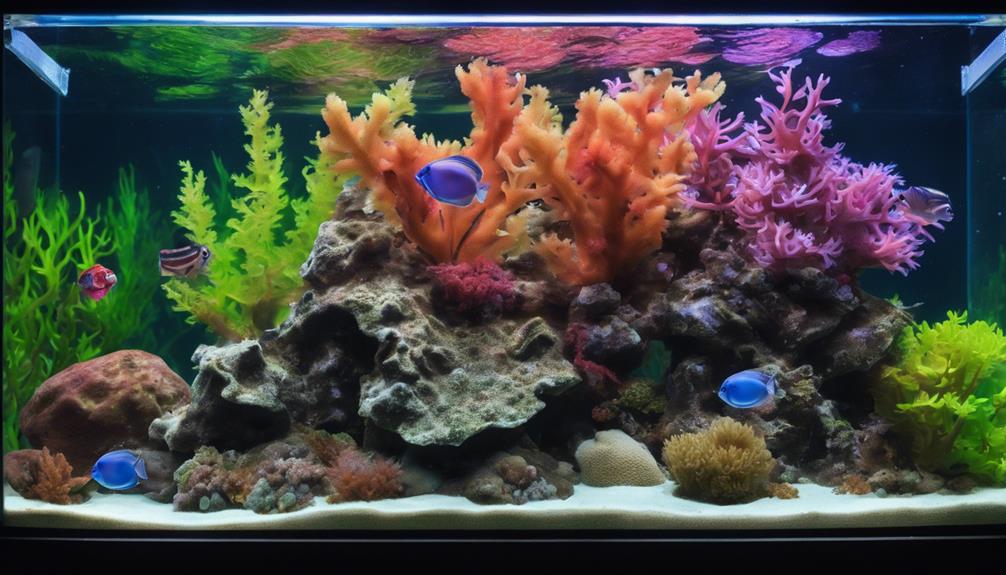
You'll need a thermometer that provides accurate and consistent readings to guarantee your cuttlefish thrive in their tank. A reliable thermometer is essential for maintaining ideal water temperature, which is crucial for the health and well-being of your cuttlefish.
When selecting a thermometer, look for one that's specifically designed for aquarium use and can withstand the humid conditions of your tank. It's important to choose a thermometer with a high level of accuracy, typically ±0.1°C or better.
To guarantee accurate readings, you'll need to calibrate your thermometer regularly using calibration methods such as the ice-point or boiling-point method. This process ensures that your thermometer is providing precise readings, which is essential for maintaining ideal water temperature.
Proper sensor placement is also important. Place the thermometer sensor in a location that accurately represents the overall water temperature, avoiding areas with direct sunlight or near heating/cooling devices. This will ensure that your thermometer provides a consistent and reliable reading.
Maintaining Water Circulation
Proper water circulation is essential for maintaining ideal water temperature and oxygen levels, as stagnant water can lead to stress and disease in your cuttlefish. As the tank owner, it's your responsibility to make sure that your cuttlefish have a healthy environment to thrive in.
To achieve peak water circulation, follow these guidelines:
- Strategic Pump Placement: Position your pumps in a way that creates a circular flow pattern, ensuring that water reaches all areas of the tank.
- Maximize Pump Power: Select pumps that can generate a current flow of 10-20 gallons per minute, depending on the size of your tank.
- Avoid Dead Spots: Place decorations and plants strategically to prevent dead spots where water can stagnate.
- Monitor Water Movement: Regularly observe your tank's water movement to identify any areas with poor circulation and make adjustments as needed.
Considering Species-Specific Needs
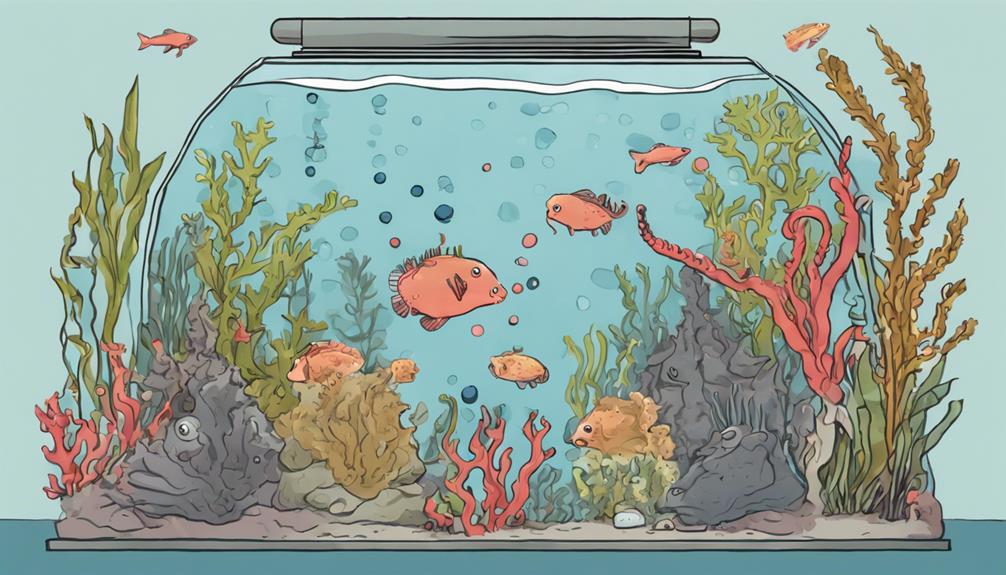
Cuttlefish species have unique temperature requirements, and understanding these needs is essential to replicating their natural environment in your tank. You'll need to research the specific temperature range for your cuttlefish species, as some require warmer or cooler waters than others. For instance, the common cuttlefish (Sepia officinalis) thrives in temperatures between 15°C and 20°C (59°F to 68°F), while the dwarf cuttlefish (Sepia bandensis) prefers a warmer range of 22°C to 25°C (72°F to 77°F).
When considering species-specific needs, it's vital to remember that cuttlefish behavior is closely tied to their environment. Changes in temperature can affect their feeding habits, social behavior, and even their ability to change color. Aquatic evolution has equipped cuttlefish with remarkable adaptations, such as their ability to alter their body temperature to some extent. However, this doesn't mean they can tolerate drastic temperature fluctuations.
You should also consider the thermal gradient in your tank, ensuring that your cuttlefish have access to areas with varying temperatures. This will allow them to regulate their body temperature and exhibit natural behaviors. By understanding and catering to your cuttlefish's specific temperature needs, you can create a safe and thriving environment that promotes their overall health and well-being.
Creating a Stable Environment
Stability is key to replicating the natural environment of your cuttlefish, and it starts with maintaining a consistent water temperature that meets their specific needs. You want to create an environment that's as close to their natural habitat as possible, and temperature is just the beginning.
To achieve a stable environment, you'll need to pay attention to several factors. Here are some key considerations:
- Water Quality: Regular water changes and a well-maintained filtration system will help keep your cuttlefish healthy and thriving.
- Tank Aesthetics: A visually appealing tank with plenty of hiding places and open swimming areas will reduce stress and promote natural behavior.
- Temperature Consistency: Avoid sudden temperature fluctuations, which can be stressful for your cuttlefish. Instead, aim for a consistent temperature that meets their specific needs.
- Avoid Overcrowding: Make sure your tank is large enough to accommodate your cuttlefish comfortably, and avoid overcrowding, which can lead to stress and disease.
Managing Tank Location

When situating your cuttlefish tank, you'll want to carefully ponder the location to minimize external factors that could disrupt the stable environment you've worked to create. A well-chosen location can make all the difference in maintaining ideal temperatures for your cuttlefish.
Corner placement is an excellent strategy for minimizing temperature fluctuations. By situating your tank in a corner, you'll reduce the impact of drafts and air currents that can cause temperature variations. Additionally, corner placement allows you to take advantage of the natural insulation provided by surrounding walls, which helps to regulate the tank's temperature.
Another critical factor to ponder is window proximity. Direct sunlight can cause rapid temperature increases, which can be deadly for cuttlefish. Placing your tank near a window may seem like a great idea, but it’s essential to make sure that the tank is shaded or protected from direct sunlight. You can achieve this by using window treatments, such as curtains or blinds, or by placing the tank at a safe distance from the window. Additionally, maintaining a stable environment is crucial for the health of your cuttlefish, as fluctuations in temperature can lead to stress and illness. Therefore, when planning your beginner cuttlefish tank setup, it’s advisable to use a reliable thermostat and heater to regulate the water temperature consistently. By taking these precautions, you can create a safe and comfortable habitat that supports the well-being of your aquatic pets.
Preventing Overheating Risks
To prevent overheating risks, you should make sure that your tank is equipped with a reliable cooling system, as high water temperatures can be detrimental to your cuttlefish's health. Cuttlefish are sensitive to temperature fluctuations, and overheating can lead to stress, illness, or even death.
To guarantee your cuttlefish thrive, it's essential to identify and mitigate heat sources in your tank. Here are some common heat sources to watch out for:
- Lighting: High-powered lighting can greatly raise the water temperature. Consider using LED lighting, which produces minimal heat.
- Pumps and filters: These can generate heat, particularly if they're not designed for aquarium use. Look for heat-efficient models or consider upgrading to a more energy-efficient option.
- Heaters: While heaters are necessary for maintaining suitable temperatures, they can also contribute to overheating. Ensure your heater is designed for aquarium use and set to the correct temperature.
- Direct sunlight: Direct sunlight can rapidly increase water temperature. If possible, place your tank away from direct sunlight or use a shading device to filter the sun's rays.
Frequently Asked Questions
Can I Use a Submersible Heater in My Cuttlefish Tank?
You're thinking of using a submersible heater in your cuttlefish tank, but pause for a second – are you ready to risk a potential catastrophe? Submersible heaters can be a fire hazard if not used correctly. To guarantee heater safety, place the heater in an area with good water circulation, avoiding any decorations or plants that could obstruct it. Prioritize heater placement to prevent overheating and electrical shocks.
Will a Temperature Controller Reduce My Electricity Bill?
Will a temperature controller reduce your electricity bill? You'll be happy to know that the answer is yes! By maintaining a consistent temperature, you'll minimize energy waste and optimize energy efficiency. This means you'll enjoy significant cost savings over time. Plus, a controller guarantees your cuttlefish tank stays within a safe temperature range, giving you peace of mind. So, invest in a temperature controller and reap the benefits of reduced energy consumption and lower bills!
How Often Should I Replace My Tank's Thermometer?
As you immerse yourself in the world of aquarium-keeping, keep in mind that accuracy is key. When it comes to replacing your tank's thermometer, it's not a one-size-fits-all answer. You should recalibrate your thermometer every 6-12 months to guarantee sensor accuracy. If you notice any discrepancies, it's best to replace it immediately. Don't risk the health of your cuttlefriends – prioritize calibration frequency to maintain a safe and thriving environment.
Can I Keep My Cuttlefish Tank Near a Sunny Window?
You're considering placing your cuttlefish tank near a sunny window, but hold on! Direct sunlight can be detrimental to your cuttlefish's health. Avoid placing the tank in a spot that receives direct sunlight, as it can cause rapid temperature fluctuations. Instead, opt for a window location that provides gentle, indirect light. This will guarantee a safe and stable environment for your cuttlefish to thrive.
Will a Chiller Be Necessary for My Cuttlefish Tank?
You're wondering if a chiller is necessary for your cuttlefish tank. The answer is yes, especially if you plan to keep your tank near a sunny window. Cuttlefish are sensitive to temperature fluctuations, and a chiller will help maintain a stable temperature. You'll need to choose from various chiller types, such as in-tank or in-line cooling systems. Don't risk overheating your tank – invest in a reliable chiller to make sure your cuttlefish thrive in a safe, ideal environment.


