
You’re setting up a beginner-friendly cuttlefish tank, and you’re off to a great start! First, opt for a spacious tank, at least 55 gallons, with a durable material like low-iron glass or acrylic. Choose an easy-to-maintain substrate and a neutral gravel color to avoid stimulating your cuttlefish’s camouflage response. Next, create a natural rockwork layout with varied textures and depths, leaving 30% of the tank as open water for swimming. Now, you’re ready to choose the perfect cuttlefish species for your tank. As you continue, you’ll discover the secrets to cycling your tank, maintaining ideal water conditions, and acclimating your cuttlefish to its new home. Once you’ve established a comfortable environment, you may be interested in exploring breeding cuttlefish for beginners. This process involves creating optimal water parameters, ensuring a proper diet, and providing suitable hiding spots for the breeding pairs. By closely monitoring their behavior and adjusting the tank conditions, you can successfully raise the next generation of cuttlefish while enjoying their unique life cycle.
Choosing the Right Aquarium Size
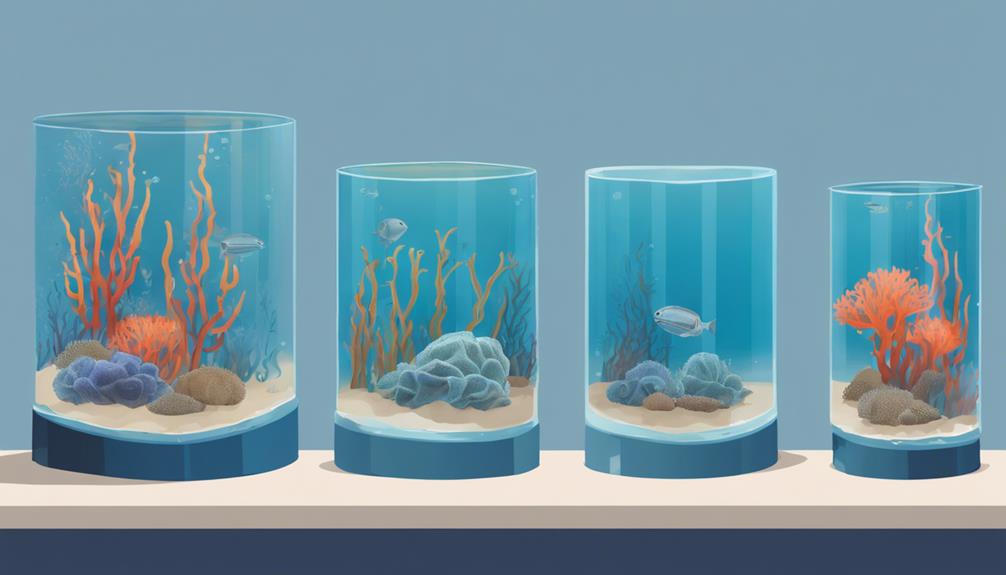
When setting up a cuttlefish tank, you'll need to select an aquarium that's large enough to provide your cuttlefish with ample space to thrive, with a minimum capacity of 55 gallons recommended for the first cuttlefish. This is vital, as cuttlefish can grow up to 15 inches in length and require plenty of room to swim and exercise. A larger tank will also help stabilize the water parameters, reducing stress on your cuttlefish.
When choosing an aquarium, consider the shape as well. A rectangular tank is ideal, as it provides more swimming space for your cuttlefish than a tall, narrow tank. Additionally, look for a tank made from durable materials, such as low-iron glass or acrylic, which can withstand the weight of the water and resist scratches.
Tank durability is also essential, as a cracked or broken tank can be disastrous for your cuttlefish. Look for a tank with a sturdy frame and a secure lid to prevent escape or injury. A well-made tank will also reduce the risk of leaks and water damage.
Selecting a Suitable Substrate Type
You'll need to select a suitable substrate type that complements your cuttlefish's unique needs, as the wrong choice can lead to stress, health issues, or even fatalities. When it comes to cuttlefish, it's essential to prioritize their comfort and well-being. For a beginner-friendly tank, you'll want to opt for a substrate that's easy to maintain, gentle on your cuttlefish's skin, and promotes good water circulation.
Aim for a substrate depth of around 1-2 inches, as this allows for adequate water flow while preventing your cuttlefish from digging too deeply. Gravel is an excellent choice, as it's easy to clean, allows for good water circulation, and comes in a range of colors to suit your tank's aesthetic. Look for gravel with a smooth, rounded texture to prevent scratching your cuttlefish's sensitive skin.
When it comes to gravel color, opt for a neutral tone that won't stimulate your cuttlefish's natural camouflage response. Avoid bright or bold colors, and instead choose a subtle shade that blends with the overall tank design. By selecting the right substrate type, you'll create a safe and welcoming environment for your cuttlefish to thrive. Remember, a well-chosen substrate is vital for maintaining your cuttlefish's health and happiness, so take the time to make an informed decision.
Creating a Natural Rockwork Layout

Three to five large rocks or boulders will form the foundation of your natural rockwork layout, providing a sturdy base for your cuttlefish to explore and hide among. These rocks will serve as the anchor points for your aquascape design, creating a sense of depth and visual interest. When selecting rocks, choose ones with varying shapes, sizes, and textures to create a natural, organic look.
To create a visually appealing rock formation, start by arranging the largest rocks first, placing them in a way that establishes a sense of balance and harmony. You can use a combination of vertical and horizontal rocks to create a sense of movement and flow. Next, add smaller rocks and pebbles to fill in the gaps and create a natural-looking gradient.
Remember to leave enough space for your cuttlefish to swim and explore. A good rule of thumb is to make sure that at least 30% of the tank remains open water. This will provide your cuttlefish with ample room to roam and exercise.
When arranging your rocks, be mindful of any sharp edges or points that could potentially harm your cuttlefish. You can use a rock-safe adhesive to bond rocks together, creating a stable and secure structure. By following these tips, you'll be able to create a stunning and safe rockwork layout that will offer your cuttlefish with a thriving environment.
Choosing the Best Cuttlefish Species
Choosing the Best Cuttlefish Species
With over 100 species of cuttlefish to choose from, selecting the right one for your tank can be a challenging task, but understanding their unique characteristics and needs is key to creating a thriving environment. As a beginner, it's essential to choose a species that's easy to care for and adaptable to a home aquarium.
When selecting a species, consider their cuttlefish behavior. Some species, like the dwarf cuttlefish, are more docile and suitable for community tanks. Others, like the broadclub cuttlefish, are more aggressive and require a separate tank. Researching the species' behavior will help you create a harmonious environment.
Species variations also play a significant role in your decision. For example, the flamboyant cuttlefish is known for its vibrant color changes, making it a popular choice for home aquariums. On the other hand, the Australian giant cuttlefish is one of the largest species and requires a larger tank with plenty of space to swim.
When selecting a species, consider factors like tank size, water parameters, and feeding requirements. By understanding the unique needs of your chosen species, you'll be able to provide the best possible care, ensuring a healthy and thriving cuttlefish. By doing your research and choosing the right species, you'll be well on your way to creating a successful and enjoyable cuttlefish tank.
Cycling the Tank for Success

Now that you've chosen the perfect cuttlefish species, it's time to prepare their new home by cycling the tank to create a safe and healthy environment. Cycling your tank is essential to remove toxins and establish a balanced ecosystem. This process allows beneficial bacteria to grow, converting ammonia from fish waste into harmless compounds.
To cycle your tank, start by setting up your aquarium with gravel, decorations, and water. Then, add a small amount of fish food or a commercial bacteria supplement to stimulate bacterial growth. Over the next few weeks, monitor the tank's ammonia and nitrite levels, which will initially spike and then decrease as beneficial bacteria colonize the tank.
During this time, you may notice bacterial blooms, which appear as cloudy water or a brownish tint. Don't worry – this is a normal part of the cycling process. However, be cautious of nitrogen surges, which can occur when bacteria overconsume ammonia, leading to a rapid increase in nitrite levels. To prevent this, perform regular water changes and monitor your tank's chemistry closely.
Maintaining Optimal Water Conditions
As you set up your cuttlefish tank, you'll need to prioritize maintaining ideal water conditions to guarantee your cephalopod friends thrive. You'll want to keep a close eye on water quality and pH levels, making adjustments as needed to create a stable environment. By doing so, you'll be able to provide your cuttlefish with the perfect balance of water chemistry for peak health and happiness.
Water Quality Control
Your cuttlefish rely on you to maintain ideal water conditions, and that means regularly monitoring and adjusting water quality parameters to prevent sudden changes that can stress or even kill them. You must stay vigilant to make sure the water in your tank remains stable and safe for your cuttlefish.
To achieve this, you'll need to perform regular water tests to monitor key parameters. Here are three essential checks to prioritize:
- Alkalinity testing: Regularly test the alkalinity level in your tank to ensure it stays within the best range for your cuttlefish. This will help maintain a stable pH and prevent sudden changes.
- Nitrate reduction: Monitor nitrate levels and take steps to reduce them if necessary. Elevated nitrate levels can be harmful to your cuttlefish, so it's important to keep them under control.
- Ammonia and nitrite monitoring: Regularly test for ammonia and nitrite to make sure they remain at zero. Even small amounts can be toxic to your cuttlefish, so it's essential to catch any issues early.
Ph Level Monitoring
Maintain a close eye on your tank's pH levels, as even slight fluctuations can stress your cuttlefish or even trigger a disastrous chain reaction. pH levels that are too high or too low can cause damage to your cuttlefish's internal organs, so it's vital to monitor pH regularly. You can use pH test kits or pH meters to check the levels daily. Ideally, you want to maintain a pH range between 7.9 and 8.4, which is suitable for cuttlefish.
In addition to pH monitoring, it's essential to perform Alkalinity testing regularly. Alkalinity measures the tank's ability to absorb and neutralize acidic substances, which helps maintain a stable pH. If your Alkalinity levels are too low, your tank may be prone to pH fluctuations, putting your cuttlefish at risk. Perform Alkalinity tests weekly to make sure your tank's buffering capacity is adequate. By keeping a close eye on pH levels and Alkalinity, you'll be able to identify potential issues before they become major problems, ensuring a safe and healthy environment for your cuttlefish.
Adding Decorations and Hiding Places
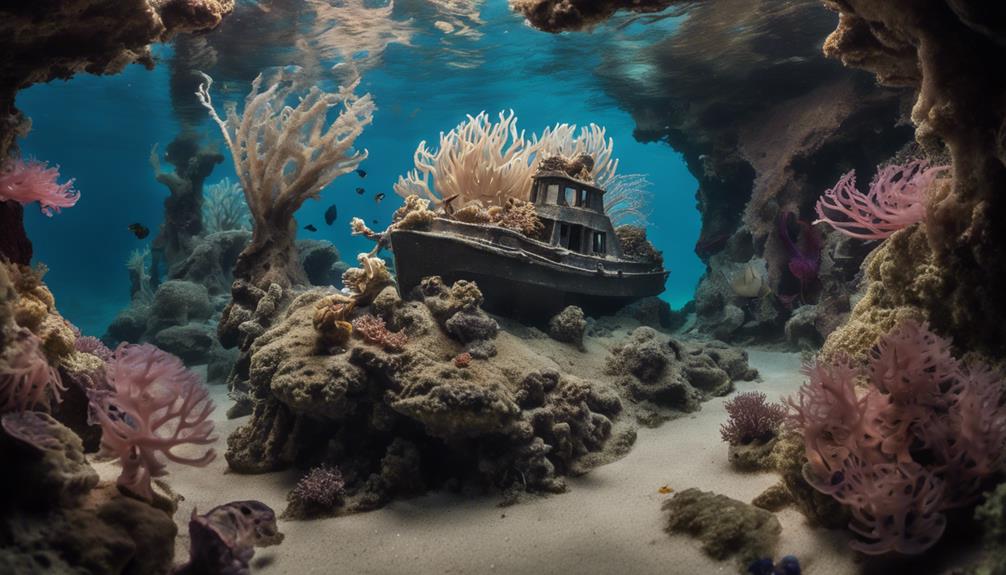
Now that you've got the basics of water conditions down, it's time to think about making your cuttlefish tank a comfortable and engaging space. You'll want to add decorations and hiding places that mimic the cuttlefish's natural environment, providing them with plenty of opportunities to hide, hunt, and explore. By incorporating features like rocky reef structures and decorative shipwrecks, you'll be creating a stimulating environment that'll keep your cuttlefish happy and healthy.
Rocky Reef Structures
Create a visually appealing and functional rocky reef structure by arranging rocks, shells, and other decorations to provide cuttlefish with plenty of hiding places and visual stimulation. This will not only enhance the aesthetic appeal of your tank but also create a sense of security and comfort for your cuttlefish. As you design your reef architecture, consider the following essential elements:
- Variety in texture: Combine smooth rocks with rougher, more porous ones to create visual interest and provide hiding spots.
- Height and depth: Create a layered effect by stacking rocks of different sizes, allowing your cuttlefish to explore and hide.
- Open spaces: Leave some areas of the tank open to allow your cuttlefish to swim freely and exercise.
Decorative Shipwrecks
As you add decorative shipwrecks to your tank, you'll be creating an enchanting treasure trove of hiding places and visual interest for your curious cuttlefish. These sunken vessels provide ample opportunities for your cuttlefish to explore, hide, and play. When selecting shipwrecks, choose ones that are safe for your cuttlefish, with no sharp edges or small parts that can be ingested. Consider adding treasure chests filled with artificial seaweed or other decorations to create a sense of mystery and discovery.
To create a unique and engaging environment, combine shipwrecks with sunken ruins, such as ancient-looking pillars or crumbled walls. This will not only provide your cuttlefish with plenty of hiding spots but also create a visually appealing landscape. Remember to leave enough swimming space for your cuttlefish to roam freely. By incorporating decorative shipwrecks and sunken ruins, you'll create a mesmerizing environment that will keep your cuttlefish entertained and stimulated.
Setting Up a Reliable Filtration System
You'll need a high-quality filter to remove waste products and excess nutrients from your cuttlefish tank, so it's essential to select a reliable filtration system that can handle the bioload of your aquarium. A good filtration system will help maintain water quality, keeping your cuttlefish healthy and thriving.
When setting up your filtration system, consider the following essential components:
- Biological filters: These filters use beneficial bacteria to break down ammonia and nitrite, converting them into harmless compounds. They're vital for maintaining a safe and healthy environment for your cuttlefish.
- Mechanical filters: These filters remove particulate matter, excess food, and waste products from the water, helping to keep the tank clean and clear.
- Protein skimmers: These filters remove excess nutrients and organic compounds from the water, helping to prevent algae growth and maintain water clarity.
Acclimating Your Cuttlefish to the Tank

Once you've set up your tank and filtration system, it's time to gently introduce your cuttlefish to their new environment. Acclimating your cuttlefish is a critical step that requires patience and attention to detail. You'll need to create an acclimation schedule to guarantee a smooth handover for your cuttlefish.
Start by floating the unopened bag containing your cuttlefish in the tank for about 15-20 minutes. This allows the water in the bag to reach the same temperature as the tank water. Next, carefully open the bag and add a small amount of tank water to the bag every 5-10 minutes. This gradual introduction of tank water helps your cuttlefish adjust to the tank's water chemistry.
After 30-40 minutes, your cuttlefish should be fully acclimated. Use a soft-mesh net to gently transfer them to the tank. Discard the bag water and add a floatation device, such as a plastic bag or a specialized cuttlefish float, to provide a safe haven for your cuttlefish. Monitor your cuttlefish closely during the first few hours, ensuring they're swimming and behaving normally. Stick to your acclimation schedule, and with careful planning, your cuttlefish will thrive in their new home.
Frequently Asked Questions
Can I Keep Cuttlefish With Other Marine Species in the Same Tank?
You're wondering if you can keep cuttlefish with other marine species in the same tank? Generally, it's not recommended. Cuttlefish can be aggressive and require specific water conditions, making it challenging to find compatible tank mates. Mixing species can lead to stress, disease, and even predation. For a safe and thriving environment, it's best to keep cuttlefish solo or with species that have similar needs and temperaments. Research species compatibility carefully to guarantee a harmonious tank.
How Often Should I Feed My Cuttlefish, and What Is Their Diet?
Coincidentally, you're wondering about feeding your cuttlefish just as they're settling into their new home. You're on the right track! Cuttlefish nutrition is essential, and a well-planned feeding schedule is key. Feed your cuttlefish 2-3 times a day, only as much as they can consume within a few minutes. Their diet should consist of live or frozen meaty foods like shrimp, crab, and fish. Avoid overfeeding, as this can lead to water quality issues and harm your cuttlefish.
Do Cuttlefish Require a Specific Type of Aquarium Lighting?
You're wondering if cuttlefish need specific aquarium lighting. The answer is yes! Cuttlefish require a unique lighting setup. You'll want to provide a lighting system that mimics their natural habitat. Opt for lighting options that offer a color spectrum between 5,000-10,000K, which will promote their natural behavior. Avoid using bright or intense lighting, as it can stress them out. Instead, choose a gentle, soft glow that'll make them feel safe and comfortable.
Can I Use a Makeshift or DIY Cuttlefish Tank Instead of a Commercial One?
You're tempted to think outside the box, just like MacGyver, and create a makeshift cuttlefish tank. But, beware, dear DIY enthusiast, space constraints can be a major hurdle. With a commercial tank, you'll have more creative freedom to design a safe and healthy environment for your cuttlefish. Don't compromise on safety; a well-designed tank is vital for your pet's well-being.
How Long Do Cuttlefish Typically Live in Captivity?
You're wondering how long cuttlefish typically live in captivity. Well, in ideal conditions, they can thrive for around 2-3 years. However, captivity challenges, like inconsistent water quality and inadequate nutrition, can shorten their life expectancy. To guarantee your cuttlefish lives a long, healthy life, it's important to provide a stable, safe environment that meets their unique needs.


