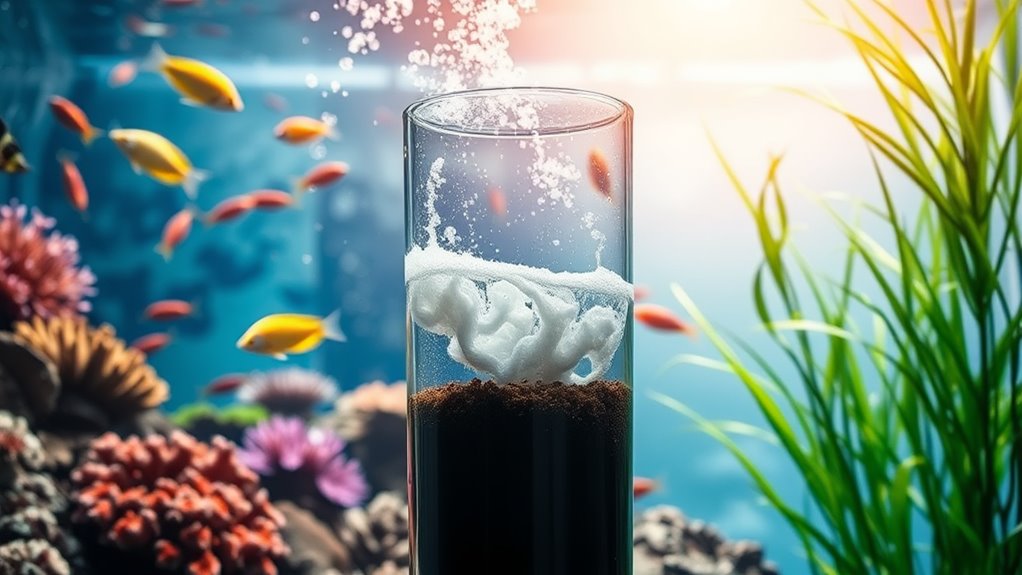
Grasping protein skimmers is essential for maintaining a healthy aquarium. These devices remove organic waste and proteins, improving water clarity and preventing harmful algae blooms. They work by generating bubbles that attract waste, which is then collected for easy disposal. By using a protein skimmer, you support your tank's ecosystem, ensuring your fish and coral thrive. It can likewise reduce how often you need to change the water. When you choose the right skimmer and maintain it properly, you'll maximize its benefits. There's more to discover about selecting and caring for skimmers to keep your tank at its best!
What Is a Protein Skimmer?
A protein skimmer is an essential device in saltwater aquariums, designed to remove organic waste and proteins before they break down and pollute your tank. This device plays an important role in maintaining a healthy aquatic environment, ensuring your fish and coral thrive. When you think about skimmer design, you'll notice a variety of options available, each customized to meet the needs of different tank sizes and setups.
Most protein skimmers operate using a process called foam production. This involves injecting air into the water, creating tiny bubbles that attract and trap waste particles. As these bubbles rise to the surface, they form a foam that collects organic waste, allowing you to easily remove it from your tank. By regularly skimming, you're not just improving water quality but also reducing the likelihood of harmful algae blooms that can threaten the health of your aquatic life.
When selecting a skimmer, consider factors such as flow rate, size, and ease of maintenance. Choosing the right model can greatly improve your tank's health and reduce the workload involved in keeping it clean. Remember, investing in a good protein skimmer is an act of service not only to your aquarium inhabitants but also to your own enjoyment of the hobby. By doing so, you're committing to providing a cleaner, healthier environment that encourages flourishing marine life.
How Protein Skimmers Work
Comprehending how protein skimmers work is vital for maintaining a healthy aquarium. A protein skimmer functions by removing organic waste and dissolved proteins from the water, which helps improve water quality and promotes a thriving aquatic environment. It does this through a simple yet effective process that relies on the creation of bubbles.
When you operate a protein skimmer, it draws water from your aquarium into a reaction chamber. Inside this chamber, air is introduced, forming tiny bubbles. The bubble size plays a significant role here; smaller bubbles have a larger surface area relative to their volume, allowing for more efficient attachment of waste particles. As these bubbles rise, they trap various organic compounds and carry them to the top of the chamber.
Skimmer efficiency hinges not just on the design of your skimmer, but likewise on factors like bubble size and water flow rate. A well-tuned skimmer will create a frothy mixture that improves contact between the bubbles and waste materials. Once the bubbles reach the top, they accumulate in a collection cup, where you can easily remove the accumulated waste.
Benefits of Using Protein Skimmers
Using protein skimmers can greatly improve the water quality in your aquarium, making it a healthier environment for your fish and corals. By efficiently removing organic waste, these skimmers additionally help reduce algae growth, keeping your tank looking clean and lively. You'll notice the difference in both water clarity and overall ecosystem balance.
Enhanced Water Quality
In regards to maintaining a healthy aquarium, protein skimmers play a significant role in enhancing water quality. By efficiently removing waste materials and organic compounds, they help guarantee your aquatic environment remains pristine. You'll notice the benefits in water clarity, as skimmers effectively eliminate tiny particles that can cloud the water, making it less appealing for both you and your fish.
Moreover, protein skimmers excel at nutrient removal, which is vital for maintaining balance in your tank. By stripping away excess nutrients before they can decompose, these devices prevent the buildup of harmful substances that could threaten the health of your aquatic life. This proactive approach encourages a more stable ecosystem, allowing your fish and corals to flourish.
When you prioritize water quality through the use of a protein skimmer, you're not just enhancing the aesthetics of your aquarium; you're additionally nurturing a healthier environment for the inhabitants. In turn, this can lead to happier fish and lively corals, creating a more enjoyable experience for you and anyone who visits your underwater paradise. By investing in a protein skimmer, you're truly serving both your aquarium and its inhabitants.
Reduced Algae Growth
Maintaining water quality not merely improves the clarity of your aquarium but furthermore plays a significant role in reducing algae growth. By employing a protein skimmer, you're enhancing algae control effectively. These devices work by removing dissolved organic compounds and excess nutrients from the water before they break down into algae-promoting substances.
When you engage in nutrient export through skimming, you're actively preventing spikes in nitrates and phosphates, which are the main culprits behind unwanted algae blooms. Less of these nutrients means a much healthier environment for your aquatic life and a more aesthetically pleasing tank for you and your guests to enjoy.
In cultivating a balanced ecosystem, you're not only serving your fish and plants but likewise creating a thriving community that reflects your dedication to responsible aquarium keeping. Regularly using a protein skimmer helps you maintain that balance, ensuring that algae struggles to take hold.
Types of Protein Skimmers
Regarding protein skimmers, you'll find several types designed to meet various needs in aquarium maintenance. Each type serves a unique purpose, making it easier for you to choose the right one for your setup.
First up are in sump skimmers, which fit neatly inside your aquarium's sump system. They're efficient and help save space. External skimmers, conversely, sit outside the tank, allowing for larger collection cups and sometimes better performance.
Next, you've got needle wheel skimmers. These use a special wheel to create fine bubbles, enhancing the skimming process. Venturi skimmers operate differently, utilizing a venturi valve to pull water and air together, making them a popular choice for many hobbyists. Downdraft skimmers work by drawing water down through a column, making them effective for larger systems.
If you're looking for better performance and aesthetics, cone skimmers might be your best bet. Their cone-shaped design allows for more efficient bubble collection. Beckett skimmers, utilizing a Beckett injector, are another option that provides a strong skimming action, typically suited for larger tanks.
Lastly, hang on skimmers are perfect for smaller setups or those who want a simple installation without altering the tank's structure. Comprehending these different types helps you provide the best care for your aquatic friends, ensuring they thrive in a healthy environment.
Choosing the Right Protein Skimmer
Selecting the right protein skimmer can significantly influence the health of your aquarium. It's crucial to choose a skimmer that corresponds with your tank's size and bioload. A skimmer that's too small won't effectively remove organic waste, whereas an oversized one can lead to over-skimmed water, stripping away beneficial nutrients. Here's a quick reference to guide your selection:
| Tank Size | Recommended Skimmer Size | Installation Tips |
|---|---|---|
| 10-30 gallons | Up to 100 gallons | Verify it fits in your sump or tank; check for easy access to collection cup. |
| 30-75 gallons | Up to 200 gallons | Position it near water flow; consider a skimmer with adjustable settings. |
| 75+ gallons | 200 gallons and above | Look for models with a good reputation for efficiency; plan for regular maintenance access. |
When choosing a skimmer, consider features like build quality and pump efficiency. A well-constructed skimmer will last longer and perform better. Don't forget to factor in your installation space; some skimmers require more room than others.
Lastly, remember to assess the skimmer's ease of use. A skimmer that's complicated to install or adjust may lead to frustration, which can detract from your aquarium experience. By carefully considering skimmer size and installation tips, you'll be well on your way to cultivating a dynamic, thriving aquatic environment for your fish and corals.
Maintenance and Care Tips
To keep your protein skimmer running effectively, you'll want to establish a regular cleaning schedule. Make certain to inspect the pump's functionality periodically to catch any issues early. By staying on top of these tasks, you'll guarantee peak performance for your aquarium.
Regular Cleaning Schedule
Keeping your protein skimmer in prime condition requires a regular cleaning schedule that's easy to follow. Establishing a consistent routine not just improves performance but also reinforces the maintenance significance for your tank's health. By sticking to a cleaning frequency, you guarantee that your skimmer operates efficiently, helping to keep your aquatic friends happy and thriving.
Here's a suggested cleaning schedule:
| Task | Frequency | Purpose |
|---|---|---|
| Rinse Collection Cup | Weekly | Prevent buildup of waste |
| Clean Venturi Nozzle | Monthly | Maintain ideal air intake |
| Inspect O-Rings | Every 3 months | Prevent leaks in the system |
| Deep Clean Skimmer | Every 6 months | Remove buildup and residues |
Inspecting Pump Functionality
As you might concentrate on the visual aspects of your protein skimmer, it's equally important to regularly inspect the pump functionality to confirm peak performance. Start by listening for any unusual pump noise; if you hear strange sounds, it could indicate a problem that needs your attention. A well-functioning pump should operate quietly and efficiently, making certain that water circulation remains ideal.
Next, check the pump efficiency. You can do this by monitoring the skimmer's performance. If you notice a decrease in foam production or skimming effectiveness, your pump might be struggling. Regularly assess the flow rate and clean any debris that may be obstructing the impeller.
Additionally, make certain to inspect the electrical connections and verify they're secure. A loose connection can lead to inconsistent performance, affecting the overall health of your tank.
Common Misconceptions About Skimmers
In regard to protein skimmers, several misconceptions can cloud your grasp of their function and effectiveness. Recognizing these myths will help you make informed decisions that benefit both your tank and the aquatic life within it.
- Skimmers are too expensive: Although there are high-end models, many affordable options exist. When considering cost factors, keep in mind that a good skimmer can save you money by maintaining water quality and reducing the need for frequent water changes.
- Skimmers are unnecessary for smaller tanks: Even small tanks benefit from skimmers. They effectively remove organic waste, helping maintain a stable environment, which is vital for smaller ecosystems.
- Installation is complicated: Many skimmers come with clear installation tips. With a little patience, you can set one up without professional help. Most units are user-friendly and designed for DIY enthusiasts.
- Skimmers remove beneficial elements: A common myth is that skimmers strip important nutrients. In reality, they mainly target dissolved organic compounds, leaving beneficial bacteria and trace elements intact.
Frequently Asked Questions
Can Protein Skimmers Be Used in Freshwater Tanks?
You might wonder if protein skimmers can work in freshwater tanks. Although they're primarily designed for saltwater systems, you can explore skimmer alternatives like sponge filters or hang-on-back filters that provide significant freshwater benefits. These options effectively remove debris and improve water quality. Remember, maintaining a healthy environment for your aquatic friends is key, and choosing the right filtration method can make all the difference in their well-being.
How Often Should I Empty the Skimmer Cup?
How often do you think you should empty the skimmer cup? For ideal frequency, aim to check it every few days, especially if your tank's bio-load is high. Regular skimmer maintenance guarantees you're removing waste effectively, keeping the water clean for your aquatic friends. If you notice the cup fills quickly, empty it more often. Consistency is key, so establish a routine that works for you and supports the health of your tank!
Do Protein Skimmers Produce Noise?
Yes, protein skimmers can produce noise, especially if they're not well-maintained. Regular skimmer maintenance helps minimize this issue. You can achieve noise reduction by ensuring all components are clean and functioning properly. If you notice excessive noise, check for air leaks or worn-out parts. By addressing these factors, you'll create a quieter environment, making it more enjoyable for everyone around you during keeping your tank healthy and thriving.
Can a Skimmer Remove Beneficial Bacteria?
You might think a skimmer's only job is to clean your tank, but it can impact beneficial bacteria too. Although skimmer efficiency helps maintain water quality, excessive use can remove some of those good bacteria that support your tank's ecosystem. It's a balancing act; too much skimming can disrupt your beneficial bacteria population, whereas the right amount keeps your tank healthy. So, monitor your skimmer's settings to guarantee a thriving environment for all.
What Happens if My Skimmer Overflows?
If your skimmer overflows, it can create quite a mess and potentially harm your tank's balance. To prevent this, you should follow skimmer maintenance tips like regularly cleaning the collection cup and checking water levels. Implementing overflow prevention strategies such as adjusting the skimmer's water level and guaranteeing proper airflow can help keep things running smoothly. By taking these steps, you'll guarantee a healthier environment for your aquatic friends during minimizing stress for yourself.


