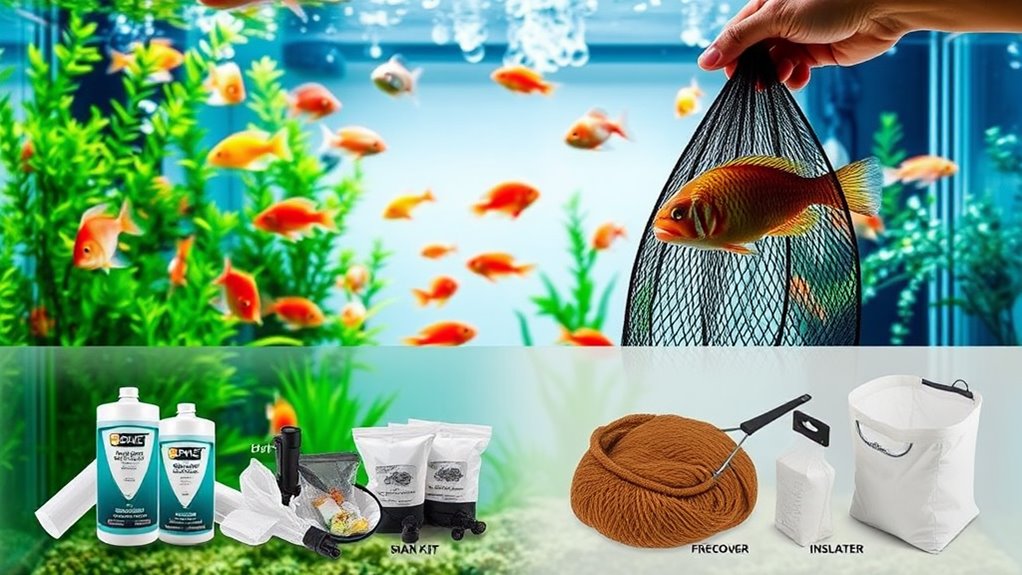
As a cuttlefish owner, you're likely aware of the delicate dance between your pet's health and the tank's water quality. Regular tank cleanings are essential to prevent toxic buildup and maintain a thriving environment. Failing to do so can lead to stress, illness, or even death. You know your cuttlefish's behavior best, so recognize subtle signs of stress like changes in appetite or erratic swimming patterns. Effective cleaning and maintenance habits will keep your pet happy and healthy. By staying on top of tank maintenance, you'll be rewarded with a vibrant, thriving environment – and there's more to explore when it comes to creating the perfect habitat.
Water Quality and Cuttlefish Health
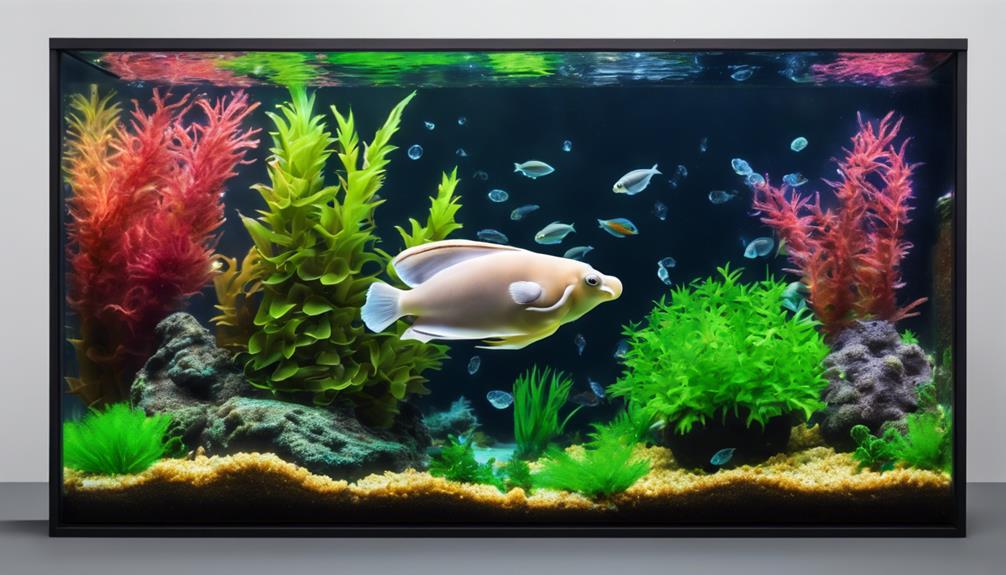
Regular water changes and a well-maintained filter are essential, as cuttlefish are extremely sensitive to changes in water quality, and even slight variations can cause stress and illness. You’ll need to prioritize water quality to keep your cuttlefish healthy and thriving. Cuttlefish are highly sensitive creatures that can detect even the slightest changes in their aquatic ecosystem. A well-maintained filter and regular water changes will help maintain a stable environment, reducing the risk of stress and illness. Additionally, it’s vital to regularly test the water parameters, such as pH, salinity, and ammonia levels, to ensure they remain within optimal ranges. Monitoring water quality in aquariums not only helps identify potential issues before they escalate but also allows you to make informed adjustments as needed. By committing to these practices, you’ll foster a healthier habitat that supports the unique needs of your cuttlefish, ultimately enhancing their longevity and well-being.
Dietary influences also play an important role in maintaining water quality. The food you provide your cuttlefish can have a significant impact on the water's chemical balance. Overfeeding, for instance, can lead to an accumulation of waste, which can negatively affect water quality. You should make sure you're providing a balanced diet, and removing any uneaten food to prevent decay.
In addition to dietary influences, regular tank cleanings are essential in maintaining a healthy aquatic ecosystem. You should aim to replace at least 10% of the tank water weekly, and perform a full tank cleaning every 4-6 weeks. This will help remove any built-up toxins and maintain a stable environment for your cuttlefish. By prioritizing water quality and maintaining a clean tank, you'll create a safe and healthy environment for your cuttlefish to thrive.
The Dangers of Toxic Buildup
As you maintain a clean tank and prioritize water quality, it's equally important to address the dangers of toxic buildup, which can quickly spiral out of control if left unchecked. Toxic triggers can come from various sources, including decaying food, fish waste, and even the cuttlefish's own ink. When these toxins accumulate, they can lead to a deadly cycle of biofilm formation, where bacteria and other microorganisms thrive on the toxic substances.
As biofilm forms, it creates a sticky, slimy layer on your tank's surfaces, providing a perfect habitat for more bacteria to grow. This can lead to a rapid decline in water quality, putting your cuttlefish's health at risk. If you don't take action, the toxic buildup can cause severe stress, illness, or even death.
You must stay vigilant and take proactive measures to prevent toxic buildup. Regular water changes, proper filtration, and a balanced diet can help minimize the risk. Regularly cleaning your tank's decorations, gravel, and other surfaces can also help reduce the formation of biofilm. By staying on top of tank maintenance, you can create a safe and healthy environment for your cuttlefish to thrive. Remember, it's always better to be proactive than reactive when it comes to toxic buildup.
Recognizing Subtle Signs of Stress
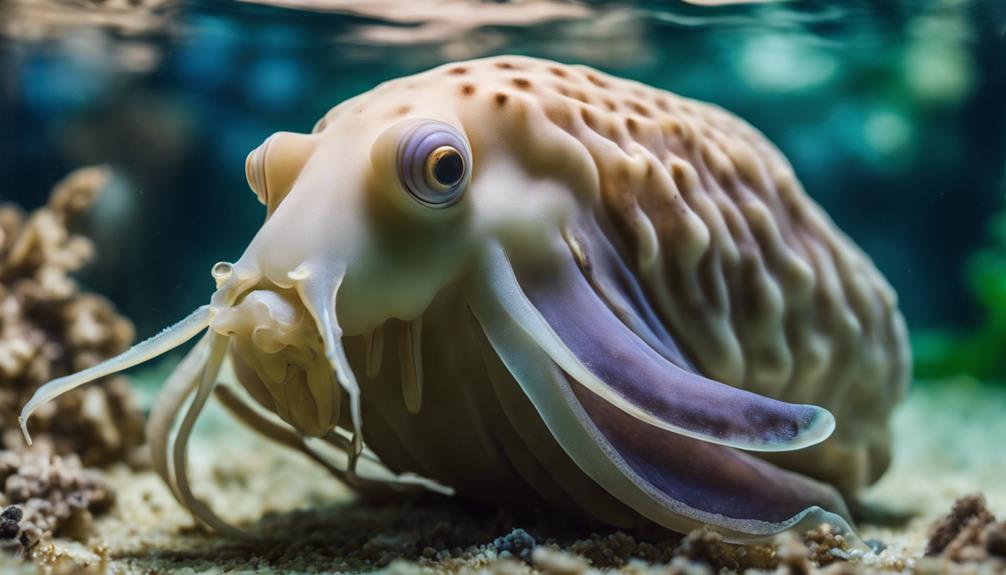
When you're observing your cuttlefish's behavior, you'll want to watch for subtle signs of stress that can indicate a larger problem brewing in the tank. Recognizing these signs early on can help you take corrective action before things escalate. One of the most telling behavioral clues is a change in appetite. If your cuttlefish is usually enthusiastic to devour its food, but suddenly shows little interest, it may be a sign of stress.
Another indicator is a change in swimming pattern. Cuttlefish are naturally curious and active, so if you notice your pet is swimming erratically or lethargically, it could be a sign of stress. Color changes are also a key indicator. Cuttlefish can change color to communicate or blend in with their surroundings, but if you notice unusual or rapid color shifts, it may be a sign of stress or anxiety.
Other signs to watch for include rapid breathing, excessive hiding, or unusual restlessness. Keep in mind that every cuttlefish is different, so it's essential to get to know your pet's normal behavior to recognize when something is off. By being vigilant and recognizing these subtle signs of stress, you can take prompt action to address the underlying issue and make sure your cuttlefish stays happy and healthy.
Effective Cleaning and Maintenance
You need to establish a regular cleaning schedule to keep your cuttlefish's tank in pristine condition. This is important for maintaining a healthy environment for your pet. A clean tank not only guarantees the well-being of your cuttlefish but also prevents the buildup of toxins and diseases.
Regular gravel vacuuming is an essential part of your cleaning routine. This process removes debris, excess food, and waste products that can pollute the water. Make sure to vacuum at least 25% of the gravel every week to prevent the buildup of toxins. You can use a gravel vacuum or a siphon hose to remove the debris and waste.
Filter optimization is another crucial aspect of tank maintenance. A well-maintained filter ensures that the water is clean and free of toxins. Check your filter regularly to ensure it's working efficiently. Clean or replace the filter media as recommended by the manufacturer to maintain peak performance.
Creating a Thriving Environment
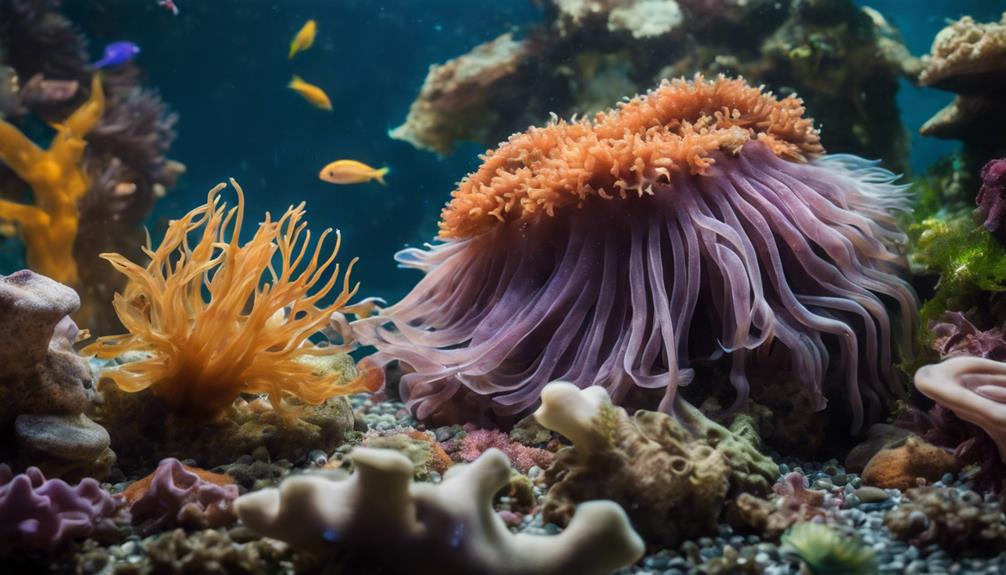
Regular water changes, typically around 10-15% every week, are crucial for maintaining a thriving environment for your cuttlefish. This routine helps remove waste products, excess nutrients, and prevents the buildup of toxins that can harm your cuttlefish. By doing so, you'll create a safe and healthy space for your cephalopod friends to thrive.
To take it a step further, consider incorporating aquatic landscaping and decorative hiding places into your tank design. This will not only provide your cuttlefish with a sense of security and comfort but also stimulate their natural behavior. Here are some tips to get you started:
- Add plants: Live plants can help maintain water quality and provide hiding spots for your cuttlefish.
- Incorporate rocks and caves: Create hiding places and visual interest with rocks, caves, and other decorative elements.
- Provide open swimming spaces: Make sure your cuttlefish have ample room to swim and exercise.
- Rotate decorations: Periodically rotate decorations to keep your cuttlefish engaged and stimulated.
Frequently Asked Questions
Can I Use a Magnet to Clean the Tank's Glass Walls?
When it comes to cleaning your tank's glass walls, you might be tempted to use a magnet, but think twice! A magnet's magnetic strength can be too strong, scratching the glass and leaving unsightly marks. Instead, opt for a soft-bristled algae scrubber or a magnetic algae cleaner with a soft pad to avoid glass scratches and guarantee a safe, gentle clean.
How Often Should I Replace the Tank's Filter Media?
You're wise to prioritize filter maintenance! For peak performance, you should replace the tank's filter media every 4-6 weeks. Don't wait until it's clogged, as this can lead to toxic buildup and harm your cuttlefish. Mark your calendar to swap out the media regularly, ensuring a safe and healthy environment for your pets. Remember, proactive filter maintenance is key to their well-being.
Can Cuttlefish Coexist With Other Marine Species in the Tank?
You're wondering if cuttlefish can coexist with other marine species in the tank. Think of it like a dinner party – you wouldn't invite guests who don't get along, right? Similarly, when choosing tank mates, species compatibility is key. Research and understand the unique needs and personalities of each species to guarantee harmony. Some species, like shrimp or peaceful fish, can thrive alongside cuttlefish, while others may become lunch. Be cautious and prioritize safety to avoid disaster.
Will Regular Cleaning Disturb My Cuttlefish's Natural Behavior?
When you clean your tank regularly, you might worry that it'll disturb your cuttlefish's natural behavior. But, surprisingly, it can have the opposite effect! Regular cleaning can reduce your cuttlefish's stress levels by creating a sense of environmental enrichment. By introducing new sights, smells, and textures, you're stimulating their natural curiosity, making them more active and engaged. So, don't hesitate to clean that tank – your cuttlefish will thank you!
Do I Need to Clean the Tank's Decorations and Accessories?
Imagine your tank as a city, where decorations and accessories are the infrastructure. Just as a city's buildings and roads need maintenance, your tank's decorations and accessories require regular cleaning. You'll want to scrub those plastic plants, coral-shaped decor, and ceramic treasure chests to remove dirt and bacteria. Use a soft-bristled brush and gentle cleansers to avoid damaging materials like acrylic or resin. By doing so, you'll create a safe and thriving environment for your cuttlefish to flourish.