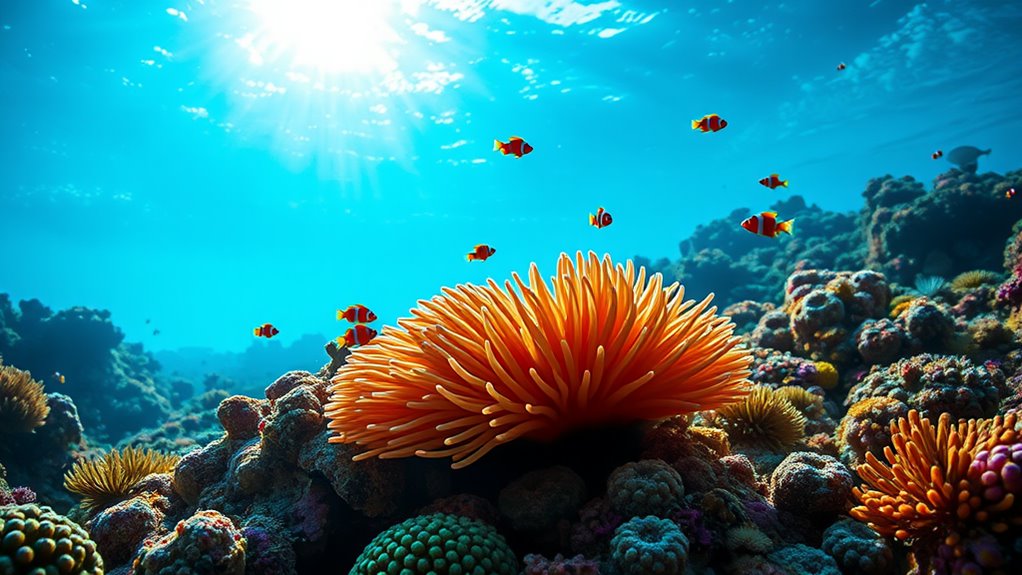
You're about to introduce new tank mates to your cuttlefish, a delicate process requiring careful planning. First, choose compatible neighbors like schooling fish or small invertebrates that won't threaten your cephalopod. Prepare the tank environment by maintaining water quality, creating hiding places, and using decorations that promote communication. Acclimate new fish gradually, monitoring water parameters and behavior for signs of stress. As you introduce the new tank mates, observe behavior, appetite, and energy levels. By following these steps, you'll be well on your way to creating a harmonious community – and there's more to explore to guarantee a thriving underwater world.
Understanding Cuttlefish Behavior

When introducing tank mates to your cuttlefish, it's essential to understand that these intelligent creatures have a complex social hierarchy and communication system, which can greatly impact their behavior and interactions with other aquarium inhabitants. You need to recognize that cuttlefish are masters of social learning, adapting quickly to their environment and the behaviors of those around them. Their communication methods are sophisticated, involving a range of body language cues, color changes, and even sound signals.
As a problem solver, your cuttlefish will figure out how to hunt and catch prey, and even develop unique hunting strategies to outsmart its tank mates. In the wild, cuttlefish have been observed using complex tactics like ambushing, stalking, and even cooperating with other cuttlefish to catch their prey. You'll also notice that your cuttlefish has a distinct mating ritual, which involves intricate courtship displays and body language cues to attract a mate.
Choosing Compatible Tank Mates
Given their complex social dynamics, you'll need to carefully select tank mates that won't trigger aggressive behavior or competitive hunting tactics in your cuttlefish. When choosing compatible tank mates, it's important to avoid aggressive species that might see your cuttlefish as prey or a threat. Instead, opt for placid neighbors that won't initiate conflicts.
Schooling fish, such as small, peaceful fish like chromis or damsels, can make excellent tank mates for cuttlefish. These fish are often too fast and agile for cuttlefish to catch, reducing the likelihood of predation. Small invertebrates like shrimp, scallops, or snails can also thrive in a cuttlefish tank, as they're not a threat to your cuttlefish and can help with algae control.
Colorful fish like anthias, basslets, or fairy wrasses can add visual interest to your tank without posing a threat to your cuttlefish. These active swimmers can help distract your cuttlefish from potential conflicts, reducing stress and promoting a peaceful environment. Remember, it's important to research each species' specific needs and make sure they're compatible with your cuttlefish's requirements. By selecting suitable tank mates, you can create a harmonious and thriving aquarium for your cuttlefish to flourish.
Preparing the Tank Environment

As you prepare to introduce new tank mates to your cuttlefish, it's important to verify that your tank environment is suitable for all inhabitants. You'll need to focus on monitoring water quality to prevent any potential issues, create a comfortable space with tank decor and hiding places, and make adjustments as needed. By taking these steps, you'll create a harmonious and thriving environment for your cuttlefish and their new companions.
Water Quality Monitoring
You'll want to regularly test your tank's ammonia, nitrite, and nitrate levels to guarantee a healthy environment for your cuttlefish and future tank mates. This is important because sudden changes in water quality can be devastating to your cuttlefish's health. pH fluctuations, for instance, can cause stress and even death. Similarly, ammonia spikes can be toxic to your cuttlefish, leading to respiratory distress and other issues.
To avoid these risks, invest in a reliable water test kit and perform regular water changes to maintain excellent water quality. Monitor your tank's water parameters daily, and make adjustments as needed. Keep a log to track your test results, and look for any signs of instability. If you notice any unusual readings, take corrective action promptly to prevent harm to your cuttlefish. By staying on top of water quality, you'll create a safe and thriving environment for your cuttlefish and future tank mates to thrive.
Tank Decor and Hiding
By incorporating a variety of decorations and hiding places into your tank, you'll create a sense of security and comfort for your cuttlefish, allowing them to feel more at ease and reducing stress. This is important when introducing new tank mates, as a stressed cuttlefish can become aggressive or withdrawn. To create a safe haven, consider adding rocky outcroppings, which provide ample hiding spots and visual barriers. You can also incorporate aquatic plants, such as sea grasses or kelp, which will not only provide shelter but also help maintain good water quality. Make sure to leave enough swimming space and avoid cluttering the tank, as this can cause more stress. By striking a balance between hiding places and open areas, you'll create a harmonious environment where your cuttlefish and tank mates can thrive. Remember, a well-designed tank is key to a successful and stress-free introduction of new tank mates.
Acclimating New Fish Gradually
When introducing new fish to your cuttlefish's tank, float the unopened bag containing the new fish in the aquarium for about 15-20 minutes to allow the water temperatures to equalize. This step is important in preventing sudden changes that can stress your cuttlefish and new fish.
Next, you'll need to acclimate your new fish to the water chemistry of your tank. You can do this through Float Acclimation or Drip Acclimation. Here are some key steps to follow:
- Float Acclimation: Open the bag and add a small amount of tank water to the bag every 5 minutes. Repeat this process for about 15-20 minutes.
- Drip Acclimation: Use an acclimation kit to slowly drip tank water into the bag. This method is more gradual and can be less stressful for your fish.
- Monitor Water Parameters: Keep an eye on the water temperature, pH, and ammonia levels to make sure they're within a safe range for your fish.
- Observe Fish Behavior: Watch for signs of stress or distress in your new fish, such as rapid breathing, erratic swimming, or hiding.
Monitoring Behavior and Health

Now that your new fish are acclimated, it's important to monitor their behavior and health closely for at least 24 hours to guarantee a smooth adjustment. During this critical period, you'll want to keep a watchful eye out for any stress signals, such as rapid breathing, erratic swimming, or hiding. These signs can indicate that your fish are struggling to adjust to their new environment.
As you observe your fish, take note of any changes in appetite, energy levels, or social interactions. These health milestones will give you a clear indication of whether your fish are thriving or struggling. Pay attention to any unusual behaviors, such as fin nipping or aggression, which can be signs of stress or territoriality.
Regularly check the water parameters to make sure they're within the best range for your fish. Make adjustments as needed to maintain a stable environment. It's also essential to monitor the tank's cleanliness, performing partial water changes and cleaning the gravel and decorations regularly.
Maintaining Long-Term Harmony
As you introduce new tank mates to your cuttlefish, you'll want to focus on maintaining long-term harmony in the aquarium. To achieve this, you'll need to develop peaceful coexistence strategies and conduct thorough tankmate compatibility testing. By doing so, you'll create a harmonious environment where all inhabitants thrive.
Peaceful Coexistence Strategies
By providing a varied and spacious environment, you can reduce stress and aggression in your cuttlefish, creating a foundation for peaceful coexistence with their tank mates. This sets the stage for harmonious relationships and minimizes the risk of conflicts.
To foster a sense of community and promote peaceful coexistence, focus on:
- Establishing social bonds: Encourage interactions between your cuttlefish and tank mates through gradual introductions and shared spaces.
- Creating communication channels: Provide visual cues, such as rocks or coral, for your cuttlefish to communicate with its tank mates.
- Maintaining a stable environment: Avoid sudden changes in water temperature, pH, or other water parameters to reduce stress.
- Offering plenty of hiding places: Include plants, rocks, or other decorations to provide your cuttlefish and tank mates with a sense of security and comfort.
Tankmate Compatibility Testing
You'll need to test the compatibility of your cuttlefish with potential tank mates to confirm a vital community that thrives in the long term. This essential step guarantees the well-being and safety of all inhabitants in your tank. To begin, create a quarantine tank for the new additions, where you'll observe their behavior and interactions. Utilize observation techniques, such as monitoring feeding habits, swimming patterns, and aggression levels. This will help you identify potential conflicts before introducing them to your cuttlefish.
Next, consult compatibility charts to determine which species are suitable tank mates for your cuttlefish. These charts provide valuable insights into the social requirements and tolerances of various aquatic species. By cross-referencing these charts with your observations, you’ll be able to make informed decisions about which tank mates to introduce. Remember, compatibility testing is an ongoing process that requires patience, attention to detail, and a commitment to providing a safe and thriving environment for all your aquatic friends. Additionally, it’s essential to monitor the behavior of your cuttlefish and potential tank mates after introducing them to ensure they coexist harmoniously. Regular observation can help you identify any signs of stress or aggression, allowing you to make adjustments as needed. Ultimately, choosing peaceful marine tank mates will significantly enhance the overall health of your aquarium and create a more enjoyable experience for you and your aquatic pets.
Frequently Asked Questions
Can I Keep Multiple Cuttlefish Together in the Same Tank?
When considering keeping multiple cuttlefish together, you'll need to think carefully. Cuttlefish establish a strict hierarchy, and in a small tank, this can lead to aggression and stress. You'll need a spacious tank with plenty of hiding places and visual barriers to reduce competition. Even then, it's important to monitor their behavior closely to guarantee their safety. With inadequate tank space, it's often safer for you to keep them separate to avoid conflicts.
What Is the Ideal Age to Introduce Tank Mates to Cuttlefish?
Are you ready to introduce tank mates to your cuttlefish, but wondering when the time is right? You're wise to think about the ideal age for socialization. During the first 30 days, cuttlefish focus on development, so it's important to wait until they're around 60 days old. This allows for the best Cuttlefish Development and Socialization Timing, ensuring a safe and harmonious tank environment.
Do Cuttlefish Recognize and Remember Their Tank Mates?
You might wonder if your cuttlefish remember their tank mates. Research suggests they do! Cuttlefish form social bonds, and their impressive facial recognition skills help them recall familiar faces. In fact, they can even recognize and greet their owners. This impressive cognitive ability guarantees they can thrive in a harmonious tank environment, as long as you introduce tank mates carefully and under close observation.
Can I Add a Cuttlefish to a Tank With Established Fish?
Before adding a cuttlefish to a tank with established fish, you should consider fish compatibility. Confirm the tank cycle is complete and the acclimation process is smooth. Observe the existing fish hierarchy and assess their aggression levels. If they're peaceful, you can introduce the cuttlefish. However, if you notice aggressive behavior, it's best to reconsider or provide a separate tank for the cuttlefish to avoid conflicts.
Will My Cuttlefish Eat Its Tank Mates if They Are Small Enough?
You're wondering if your cuttlefish will eat its tank mates if they're small enough. The truth is, cuttlefish have a strong predator instinct and might see small fish as food competition. If they're hungry or feel threatened, they can exhibit aggressive behavior. To guarantee safety, it's vital to choose tank mates wisely and make sure they're not a snack-sized temptation for your cuttlefish. Always prioritize caution and research compatible tank mates to avoid any potential conflicts.