
When setting up a cuttlefish tank with minimal equipment, prioritize a minimum 30-gallon tank to provide a stable environment. Maintain pH levels between 7. 9-8. 4 and alkalinity between 8-12 dKH. Guarantee biofiltration to control ammonia and nitrite levels. Keep nitrate levels between 5-10 ppm and sustain oxygen-rich water. Heat the tank to a stable 72°F-78°F, with a target of 75°F. Balance lighting to mimic natural daylight, and use energy-efficient options. By focusing on these essential parameters, you’ll be well on your way to creating a thriving cuttlefish tank – and there’s more to explore to make sure a happy, healthy cuttlefish. In addition to maintaining proper water parameters, it’s crucial to provide adequate hiding spots and enrichment to allow your cuttlefish to exhibit natural behaviors and reduce stress. Live rocks, caves, and soft corals can create a stimulating environment while also supporting the biological filtration system. For more guidance on ensuring the best conditions for your pet, check out our cuttlefish aquarium setup tips to help optimize their habitat and promote their well-being.
Choosing the Right Tank Size

When setting up a cuttlefish tank, selecting the right tank size is essential, as these intelligent, active creatures require ample space to thrive. You'll want to ponder the tank's dimensions carefully, as cuttlefish can grow up to 18 inches in length and need room to swim and exercise.
A minimum tank size of 50 gallons is recommended, but if you have space constraints, a 30-gallon tank can work if you're willing to upgrade as your cuttlefish grows. Remember, a larger tank provides a more stable environment, which is vital for the health and well-being of your cuttlefish.
Tank aesthetics also play a role in choosing the right tank size. A longer, wider tank will provide more swimming space, while a taller tank can accommodate more decorations and visual interest. However, if you're short on floor space, a taller tank might be a better fit. Consider the overall look and feel you want to achieve in your cuttlefish tank, and choose a size that balances your space constraints with your design goals.
Ultimately, the key is to prioritize your cuttlefish's needs and make sure they have enough space to thrive. By selecting the right tank size, you'll be well on your way to creating a safe and healthy environment for your new pet.
Essential Water Quality Parameters
As you set up your cuttlefish tank, you'll need to focus on maintaining ideal water quality parameters to guarantee the health and well-being of your cephalopod friends. You'll need to monitor and control pH levels and alkalinity, as well as keep ammonia and nitrite levels in check. By doing so, you'll be able to maintain a balanced environment with stable nitrate and oxygen levels, giving your cuttlefish the best chance to thrive.
Ph Levels and Alkalinity
You'll frequently monitor pH levels and alkalinity in your cuttlefish tank, as these essential water quality parameters have a direct impact on your cuttlefish's health and well-being. pH levels, which measure the acidity or basicity of the water, should be maintained between 7.9 and 8.4. Alkalinity, on the other hand, measures the water's ability to buffer against pH changes.
| Parameter | Ideal Range | Testing Frequency |
|---|---|---|
| pH | 7.9-8.4 | Daily |
| Alkalinity | 8-12 dKH | Weekly |
| pH Buffering | 1-2 meq/L | Monthly |
To maintain a stable environment, you'll need to perform regular pH buffering to keep a stable pH level. Alkalinity tests will help you determine the water's buffering capacity. By monitoring these parameters, you'll be able to make adjustments to uphold a safe and healthy environment for your cuttlefish. Remember, sudden changes in pH or alkalinity can be detrimental to your cuttlefish's health, so it's essential to monitor and adjust these parameters regularly.
Ammonia and Nitrite Control
Maintaining a strict control on ammonia and nitrite levels is important, since these toxic compounds can quickly build up in your cuttlefish tank and cause devastating health issues. You should prioritize ammonia and nitrite management to guarantee your cuttlefish thrive in a safe environment.
Biofiltration methods are essential in controlling ammonia and nitrite levels. These methods involve the use of beneficial bacteria that convert toxic ammonia into harmless nitrate. You can encourage biofiltration by providing a suitable environment for beneficial bacteria to grow, such as adding filter media or live rocks to your tank.
It's essential to monitor toxicity thresholds regularly to ensure ammonia and nitrite levels remain within safe limits. You can use test kits to measure ammonia and nitrite levels, and take corrective action if necessary. Remember, even small amounts of ammonia and nitrite can be harmful to your cuttlefish, so it's important to stay vigilant and take prompt action to address any issues. By maintaining a strict control on ammonia and nitrite levels, you can create a healthy environment for your cuttlefish to flourish.
Nitrate and Oxygen Levels
In addition to managing ammonia and nitrite levels, you must also monitor nitrate and oxygen levels, two essential water quality parameters that directly impact the health and well-being of your cuttlefish. Nitrate fluctuations can be detrimental to your cuttlefish, causing stress, illness, and even death. You should strive to maintain stable nitrate levels between 5-10 ppm. Regular water changes and a well-maintained biological filter can help achieve this.
Oxygen deprivation can also be deadly for your cuttlefish. Since they're active swimmers, they require a consistent supply of oxygen-rich water. Make sure your tank has adequate water circulation and aeration to prevent oxygen deprivation. You can achieve this by using powerheads, adjusting water flow, and maintaining a balanced biological load. Regularly test the water for oxygen levels, aiming for a minimum of 5 ppm. By monitoring and controlling nitrate and oxygen levels, you'll create a safe and healthy environment for your cuttlefish to thrive. Remember, it's always better to err on the side of caution when it comes to your cuttlefish's health.
Heating and Lighting Requirements
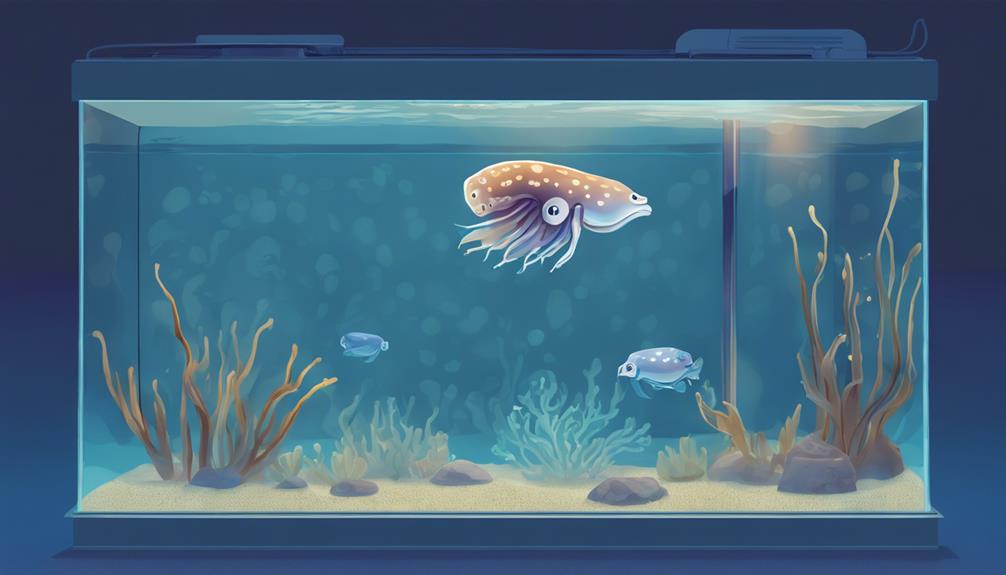
When setting up your cuttlefish tank, you'll need to take into account the specific heating and lighting requirements to create a thriving environment. You'll want to maintain an ideal water temperature that suits your cuttlefish, and also provide the right lighting for any aquatic plants you're including in the tank. Next, you'll need to decide on a heat source that meets your tank's unique needs.
Ideal Water Temperature
You'll need to maintain a narrow temperature range of 72°F to 78°F (22°C to 25°C) for your cuttlefish, with a recommended temperature of 75°F (24°C) to guarantee excellent health and coloration. This temperature range is vital, as cuttlefish are sensitive to temperature fluctuations. Even slight changes can affect their behavior, causing them to become stressed, lethargic, or even aggressive.
To secure a stable temperature, consider the following:
- Use a reliable aquarium heater: Invest in a high-quality heater that can maintain a consistent temperature, with a built-in thermostat to prevent overheating.
- Monitor temperature regularly: Use a thermometer to regularly check the water temperature, making adjustments as needed to stay within the ideal range.
- Provide good water circulation: Ensure that your aquarium has adequate water circulation to distribute heat evenly throughout the tank, promoting healthy cuttlefish behavior.
Aquatic Plant Lighting Needs
Cuttlefish thrive in tanks with carefully selected aquatic plants, which require specific lighting conditions to flourish. As you set up your cuttlefish tank, it's crucial to take into account the lighting needs of your aquatic plants. You'll want to provide a color spectrum that mimics natural daylight, with a balance of blue, red, and green light. This will promote healthy plant growth and prevent algae buildup.
For best growth, aim for a light duration of 10-12 hours per day. You can achieve this by installing a timer on your lighting system. During this time, maintain a moderate to high light intensity, as most aquatic plants require around 20-40 PAR (photosynthetic active radiation) to thrive.
When choosing lighting, prioritize energy-efficient options that minimize heat output, as cuttlefish are sensitive to temperature fluctuations. LED or T5 lighting systems are excellent choices, as they provide the necessary spectrum and intensity while keeping heat generation to a minimum. By providing the right lighting conditions, you'll create a thriving environment for your aquatic plants and, in turn, a happy and healthy cuttlefish.
Heat Source Options
Your cuttlefish tank requires a reliable heat source to maintain a stable water temperature, which should range between 22°C to 24°C (72°F to 75°F) to guarantee the best health and comfort for your cuttlefish. This temperature range is vital, as cuttlefish are sensitive to temperature fluctuations.
When choosing a heat source, you have several options to ponder:
- Heat mats: These are a popular choice for small tanks, as they provide gentle, consistent heat. They're also energy-efficient and easy to install.
- Ceramic emitters: These are a good option for larger tanks, as they can heat the water quickly and efficiently. However, they can be more expensive than heat mats.
- Submersible heaters: These are another option, but be cautious when using them, as they can be a burn hazard if not properly secured.
Always follow the manufacturer's instructions when setting up your heat source, and make sure it's safely positioned to avoid any accidents. By selecting the right heat source, you'll create a comfortable and healthy environment for your cuttlefish to thrive.
Creating a Suitable Habitat
Establishing a thriving environment for your cuttlefish requires meticulous attention to water quality, temperature, and spatial arrangements. You want to create a habitat that mimics their natural environment, providing a sense of security and comfort. Start by selecting a suitable substrate, such as decorative rocks or fine sand, which will help maintain good water quality and provide a comfortable surface for your cuttlefish to move around on.
When arranging the spatial layout, consider the natural habitats of cuttlefish, which often feature rocky outcrops, coral, and seaweed. You can replicate this by adding decorations like artificial reefs, plants, and rocks to create hiding places and visual interest. Make sure to leave enough swimming space for your cuttlefish to exercise and thrive.
To enhance the ambiance, consider adding aquatic sounds, such as a gentle ocean current or soothing waves, to create a calming atmosphere. This will help reduce stress and promote relaxation in your cuttlefish. Remember to keep the tank clean and well-maintained, as cuttlefish are sensitive to water quality and can be prone to disease if their environment is not properly maintained. By following these guidelines, you'll be well on your way to creating a safe and thriving habitat for your cuttlefish.
Cycling the Tank Quickly
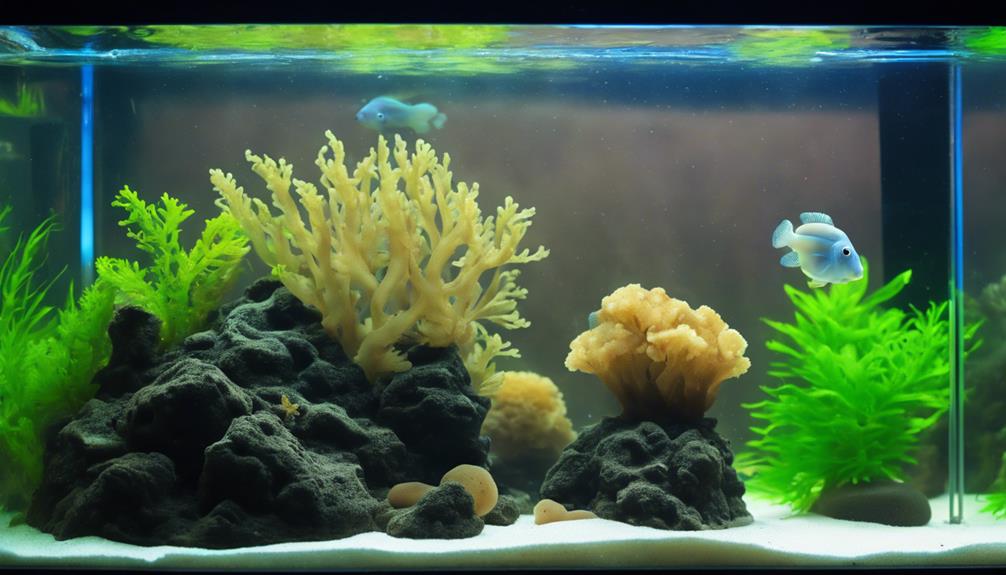
Before introducing your cuttlefish, you'll need to cycle the tank quickly to create a safe and healthy environment, which involves allowing beneficial bacteria to colonize the substrate and filter media. This process, known as the nitrogen cycle, is essential for removing toxic ammonia and nitrite from the water. Without a cycled tank, your cuttlefish will be at risk of illness or even death.
To cycle your tank quickly, you can opt for a fishless cycle, which involves adding a source of ammonia to the tank to feed the beneficial bacteria. This method is safer for your cuttlefish, as it eliminates the risk of stressing or harming them during the cycling process.
Here are three tips to help you cycle your tank quickly and safely:
- Use a bioactive boost: Add a commercial bacteria supplement or a media from an established tank to give your tank a head start on the cycling process.
- Monitor your water parameters: Regularly test your tank's ammonia, nitrite, and nitrate levels to make sure the cycling process is progressing as expected.
- Be patient: Cycling a tank can take time, so be prepared to wait several weeks for the beneficial bacteria to colonize and establish a healthy balance.
Feeding and Nutritional Needs
With your tank cycled and ready, it's time to focus on feeding your cuttlefish a balanced diet that meets their unique nutritional needs. As a responsible aquarium owner, you'll want to provide a varied diet that includes a mix of live foods, frozen foods, and high-quality commercial pellets. Cuttlefish require a diet rich in protein, so you'll want to prioritize foods high in protein content.
When it comes to live foods, you can't go wrong with brine shrimp, mysis shrimp, and small fish like guppies or daphnia. These foods mimic the natural diet of cuttlefish in the wild and provide essential nutrients. You can also supplement with frozen foods like squid, krill, or plankton. Be sure to vary the types of food you offer to make certain your cuttlefish receive a broad range of nutrients.
Food variety is key to keeping your cuttlefish healthy and thriving. Aim to rotate through 3-4 different foods per week to keep their diet interesting and prevent boredom. You can also experiment with homemade foods like chopped squid or shrimp, but be sure to follow proper food safety guidelines to prevent contamination.
Remember to feed your cuttlefish in moderation, as overfeeding can lead to poor water quality and health issues. Start with small portions and monitor your cuttlefish's response to adjust feeding amounts accordingly. By providing a balanced and varied diet, you'll be well on your way to raising happy, healthy cuttlefish.
Frequently Asked Questions
Can I Keep Multiple Cuttlefish Together in the Same Tank?
You're wondering if you can keep multiple cuttlefish together in the same tank? Caution is important, as these curious creatures can quickly turn combative. In close quarters, a social hierarchy emerges, sparking aggressive behavior. You'll witness fin nipping, ink clouding, and territorial tussles. To avoid these stressful scenarios, it's best to keep them solo, ensuring each cuttlefish has its own peaceful domain.
How Often Should I Clean the Gravel and Decorations?
You'll want to clean the gravel and decorations regularly to keep your cuttlefish healthy. Aim to siphon the gravel every 2-3 weeks, removing any debris and waste. For decorative rocks, gently scrub them with a soft-bristled brush to remove algae buildup. Be cautious not to disturb the gravel depth, as cuttlefish like to dig. Clean decorations in a separate bucket to prevent cross-contamination.
Will My Cuttlefish Recognize and Interact With Me?
Did you know that cuttlefish have the largest brains of any invertebrate relative to their body size? That's right, they're super intelligent! Now, about your question: will your cuttlefish recognize and interact with you? Absolutely! Cuttlefish can form strong bonds with their owners, and they'll often swim up to greet you. They'll even recognize your face and respond to your presence. With gentle, consistent interactions, you can build a remarkable connection, fostering Cuttlefish Affection and Human Bonding.
Can I Use a Hang-On-Back Filter for My Cuttlefish Tank?
You're considering a hang-on-back filter for your cuttlefish tank, but will it work? Yes, you can use one, but placement is key. Position the filter to create gentle water circulation, as strong currents can stress your cuttlefish. Aim for a flow rate that mimics natural ocean currents. With proper placement, a hang-on-back filter can provide efficient water circulation and a safe environment for your cuttlefish.
How Long Do Cuttlefish Typically Live in Captivity?
You're wondering how long your cuttlefish will thrive in captivity? Typically, they live for around 1-3 years in captivity, but this lifespan can vary greatly depending on factors like diet, water quality, and tank conditions. According to captivity records, some cuttlefish have been known to live up to 5 years with proper care. By providing ideal conditions, you can help your cuttlefish live a long, healthy life.


