
To treat illnesses in your cuttlefish naturally, focus on maintaining a healthy environment and providing ideal nutrition. Identify common signs of illness, such as changes in appetite, color, or behavior. For bacterial infections, perform partial water changes, adjust filtration, and consider antibiotics and probiotics. For parasites, try adding herbs like garlic and turmeric to their diet. Prioritize water quality control, regular testing, and proper tank maintenance. Nutritional support and stress reduction techniques can also aid in recovery. As you continue to learn more about natural treatments, you’ll uncover the keys to a thriving, healthy cuttlefish. In addition to these treatments, integrating preventative measures for fish diseases is essential to ensure long-term health. Regularly monitor water parameters and be proactive in addressing any potential issues before they escalate. By fostering a stable and enriching environment, along with a balanced diet, you can significantly reduce the risk of illness in your cuttlefish, allowing them to thrive and display their natural beauty.
Identifying Common Cuttlefish Illnesses

You're likely to encounter several common illnesses in your cuttlefish, including bacterial infections, parasites, and environmental stress. As a responsible cuttlefish owner, it's important to recognize the signs and symptoms of these illnesses to provide prompt treatment and prevent further complications.
Understanding cuttlefish anatomy is essential in identifying illness patterns. Cuttlefish have a unique anatomy, with a mantle, fins, and a siphon that help them swim and maneuver. They also have a remarkable ability to change color and texture to blend with their surroundings. However, this complex anatomy can also make them prone to certain health issues.
One common illness pattern in cuttlefish is changes in their color, texture, or behavior. If your cuttlefish is normally active and suddenly becomes lethargic, it may be a sign of an underlying illness. Similarly, if their color or texture changes suddenly, it could indicate a bacterial infection or parasitic infestation.
Another key indicator of illness in cuttlefish is changes in their appetite or feeding behavior. Cuttlefish are carnivores and have a voracious appetite, so if your cuttlefish suddenly stops eating or shows no interest in food, it may be a sign of an underlying illness.
Bacterial Infection Treatment Options
Since bacterial infections are often a result of poor water quality, your first step in treating your cuttlefish is to perform a partial water change and adjust the aquarium's filtration system to improve water circulation and oxygenation. This will help reduce the bacterial load and create a more stable environment for your cuttlefish to recover.
Once you've addressed the water quality, you can start treating the bacterial infection directly. Fish Antibiotics can be an effective way to combat bacterial infections in cuttlefish. However, it's essential to use them judiciously and under the guidance of a veterinarian or experienced aquarist. Overuse or misuse of antibiotics can lead to antibiotic-resistant bacteria, making future treatments more challenging.
In addition to antibiotics, incorporating Marine Probiotics into your cuttlefish's diet can help boost their immune system and promote a healthy gut microbiome. Probiotics can aid in the digestion and absorption of nutrients, making your cuttlefish more resilient to disease. Remember to choose a probiotic specifically formulated for marine animals, as they have unique needs compared to freshwater or terrestrial creatures.
When treating bacterial infections, it's important to monitor your cuttlefish's condition closely and adjust treatment as needed. Be patient, as recovery may take time. With proper care and attention, your cuttlefish can recover from bacterial infections and thrive in their aquarium habitat.
Natural Remedies for Parasites

Cuttlefish parasites, like Cryptocaryon and Brooklynella, can wreak havoc on your aquatic friend's health, but incorporating natural remedies into their diet can help eradicate these unwanted guests. You can take a proactive approach to parasite cleansing by adding specific herbs to your cuttlefish's diet. Herbal supplements, such as garlic and turmeric, have natural antiparasitic properties that can help combat parasites. Garlic, in particular, has been shown to be effective against Cryptocaryon and Brooklynella.
When using herbal supplements, it's crucial to follow proper dosing instructions to make sure your cuttlefish receives the correct amount. You can add these supplements to their food or create a separate treatment tank to target the parasites directly. Another natural remedy is the use of diatomaceous earth, a natural, non-toxic substance that can help eliminate parasites from your cuttlefish's system.
Remember to always monitor your cuttlefish's behavior and health closely when introducing new supplements or remedies, and consult with a veterinarian experienced in treating cuttlefish if you have any concerns. By incorporating natural remedies into your cuttlefish's diet, you can help create a healthier environment for your aquatic friend and reduce the risk of parasite-related illnesses.
Maintaining a Healthy Aquarium Environment
As you care for your cuttlefish, you'll want to make sure their aquarium environment is healthy and thriving. You'll need to focus on water quality control, regularly testing and adjusting the water's chemical balance to prevent stress and illness. By doing so, and combining it with proper tank maintenance, you'll create a safe haven for your cuttlefish to flourish.
Water Quality Control
You need to monitor your aquarium's water quality constantly to prevent the buildup of toxins that can stress your cuttlefish and lead to disease. Even slight changes in water conditions can have devastating effects on your cuttlefish's health. To guarantee a safe and healthy environment, you must regularly test the water for pH levels, ammonia, nitrite, and nitrate levels.
Here are some essential water quality control measures to take:
- Perform regular water testing to detect any changes in pH levels, ammonia, nitrite, and nitrate levels.
- Monitor water temperature and maintain a consistent temperature range suitable for cuttlefish.
- Regularly replace a portion of the tank water with fresh, dechlorinated water to prevent the buildup of toxins.
Proper Tank Maintenance
By maintaining a spotless tank, you'll be creating an environment that fosters your cuttlefish's natural defenses against disease. Regular water changes, cleaning of tank decorations, and monitoring of water parameters are essential in preventing the buildup of toxins that can weaken your cuttlefish's immune system.
| Parameter | Recommended Level | Consequences of Imbalance |
|---|---|---|
| Ammonia | 0 ppm | Toxic to cuttlefish, can cause respiratory distress |
| Nitrite | 0 ppm | Toxic to cuttlefish, can cause respiratory distress |
| Nitrate | < 20 ppm | Can cause algae blooms, stressing cuttlefish |
When setting up your tank, choose cycling methods that prioritize your cuttlefish's safety. Avoid over-decorating your tank, as this can create hiding spots for bacteria and debris. Instead, opt for open spaces and easy-to-clean decorations. By prioritizing proper tank maintenance, you'll be giving your cuttlefish the best chance to thrive and fight off disease naturally.
Nutritional Support for Recovery
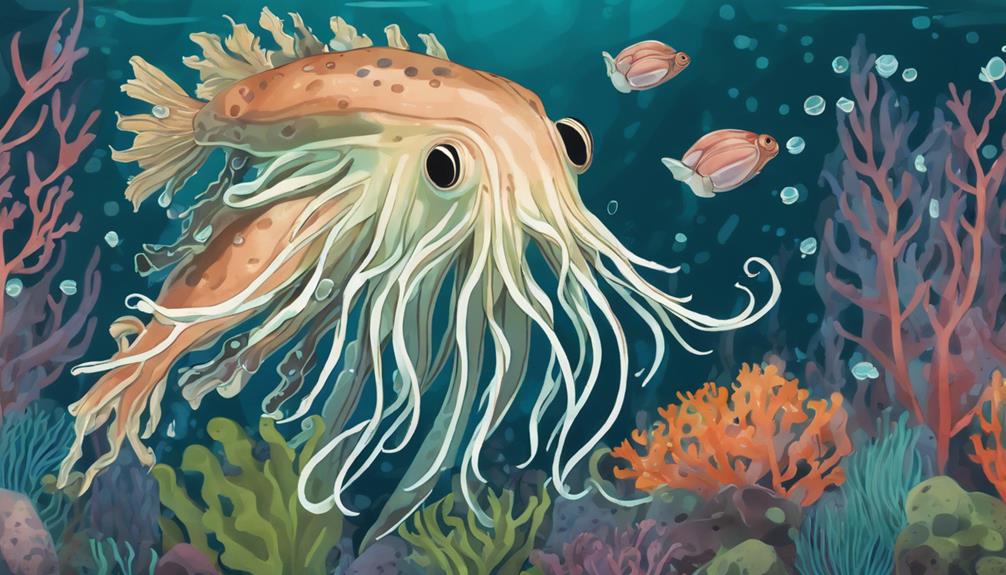
Three key nutrients – vitamin C, omega-3 fatty acids, and antioxidants – play an essential role in supporting your cuttlefish's recovery from illness. These nutrients can help to boost your cuttlefish's immune system, reduce inflammation, and promote overall health.
To provide your cuttlefish with these essential nutrients, make sure to include omega-rich foods in their diet. These foods, such as brine shrimp and krill, are rich in omega-3 fatty acids, which can help to reduce inflammation and promote healing. You can also consider adding probiotic supplements to their diet. Probiotics can help to support your cuttlefish's gut health, which is essential for maintaining a strong immune system.
Some other ways to provide nutritional support for your cuttlefish include:
** Feeding them a varied diet that includes a range of nutrient-rich foods
**Avoiding foods that are high in heavy metals and other toxins
- Considering the use of nutritional supplements, such as vitamin C and antioxidant supplements, under the guidance of a veterinarian
Stress Reduction Techniques for Cuttlefish
In addition to nutritional support, reducing stress is crucial for your cuttlefish's recovery, as chronic stress can impede healing and exacerbate illnesses. As a responsible aquarist, you can employ various stress-reducing techniques to create a calming environment for your cuttlefish.
| Stress Reduction Technique | Description |
|---|---|
| Cuttlefish Massage | Gentle, slow strokes can help relax your cuttlefish's muscles and reduce anxiety. |
| Aquatic Yoga | Gentle water movements and postures can help reduce stress and promote relaxation. |
| Environmental Enrichment | Add plants, rocks, and toys to create a stimulating environment that reduces boredom and stress. |
| Gradual Water Changes | Avoid sudden changes in water temperature and chemistry to reduce stress. |
| Calming Colors | Use blue and green hues in your aquarium to create a calming atmosphere. |
Recognizing Early Warning Signs

Catch illnesses in your cuttlefish before they spiral out of control by recognizing the subtle signs of trouble brewing. As an aquatic enthusiast, it's essential to develop an intuitive sense of your cuttlefish's behavior, allowing you to detect even the slightest changes. By doing so, you'll be able to intervene early, preventing minor issues from escalating into severe health problems.
To tap into your aquatic intuition, pay attention to the following subtle signs of illness:
- Changes in appetite or feeding behavior: If your cuttlefish is usually enthusiastic to devour its food, but suddenly shows no interest, it may be a sign of underlying illness.
- Altered swimming patterns or lethargy: If your cuttlefish is swimming erratically, hiding excessively, or appears lethargic, it could indicate a health issue.
- Unusual color changes or skin lesions: Keep an eye out for any unusual color changes, such as paleness or darkening, as well as skin lesions or ulcers, which can be indicative of illness.
Natural Antibiotics for Cuttlefish
As you explore natural ways to combat cuttlefish illnesses, you'll discover the benefits of herbal remedies that have antibacterial properties. You'll also learn about natural bacteria fighters that can help your cuttlefish recover from infections. Additionally, you'll find out how ocean plant extracts can be used as natural antibiotics to promote your cuttlefish's health.
Herbal Remedies Found
You can turn to a variety of herbal remedies that have natural antibiotic properties to combat bacterial infections in your cuttlefish. These remedies can be a safer and more natural alternative to traditional antibiotics, and they can be just as effective.
When it comes to creating a Cuttlefish apothecary, there are many options to choose from. Here are a few herbal remedies that have natural antibiotic properties:
- Seaweed extracts: Rich in vitamins, minerals, and antioxidants, seaweed extracts have been shown to have antibacterial properties that can help combat infections in cuttlefish.
- Dried kelp: Kelp has natural antibacterial and anti-inflammatory properties that can help soothe and heal your cuttlefish.
- Green tea: Green tea has antibacterial properties that can help combat infections and promote overall health in your cuttlefish.
Always consult with a veterinarian before using any herbal remedies to make sure the best course of treatment for your cuttlefish.
Natural Bacteria Fighters
Your cuttlefish's health relies on a delicate balance of gut bacteria, and natural bacteria fighters can help maintain this balance by targeting harmful microbes without disrupting the entire ecosystem. You want to guarantee that your cuttlefish's immunity stays strong, and natural antibiotics can be a safe and effective way to do so. Marine probiotics, for instance, can help populate your cuttlefish's gut with beneficial bacteria, crowding out harmful microbes and promoting a healthy balance.
When choosing natural bacteria fighters, look for products that are specifically formulated for aquatic use and contain safe, non-toxic ingredients. You can also consider adding probiotic-rich foods to your cuttlefish's diet, such as live or frozen brine shrimp. By supporting your cuttlefish's natural defenses, you can help prevent illness and maintain peak health. Remember, a healthy gut is key to a healthy cuttlefish, and natural bacteria fighters can be a valuable tool in your arsenal. By taking a proactive approach to your cuttlefish's health, you can help ensure a long and thriving life.
Ocean Plant Extracts
Certain ocean plant extracts have proven effective as natural antibiotics for cuttlefish, offering a safe and potent way to combat bacterial infections without disrupting their delicate ecosystem. As a responsible cuttlefish caregiver, you'll be relieved to know that these natural remedies can help prevent illnesses and promote overall health in your cephalopod friends.
Some of the most beneficial ocean plant extracts for cuttlefish include:
- Kelp supplements: Rich in iodine and other essential nutrients, kelp can help boost your cuttlefish's immune system and promote healthy growth.
- Seaweed benefits: Certain types of seaweed, like spirulina, have antibacterial properties that can help combat infections and promote a balanced gut microbiome.
- Dulse extract: This red algae extract has been shown to have antimicrobial properties, making it an effective natural antibiotic for cuttlefish.
Providing Optimal Water Quality
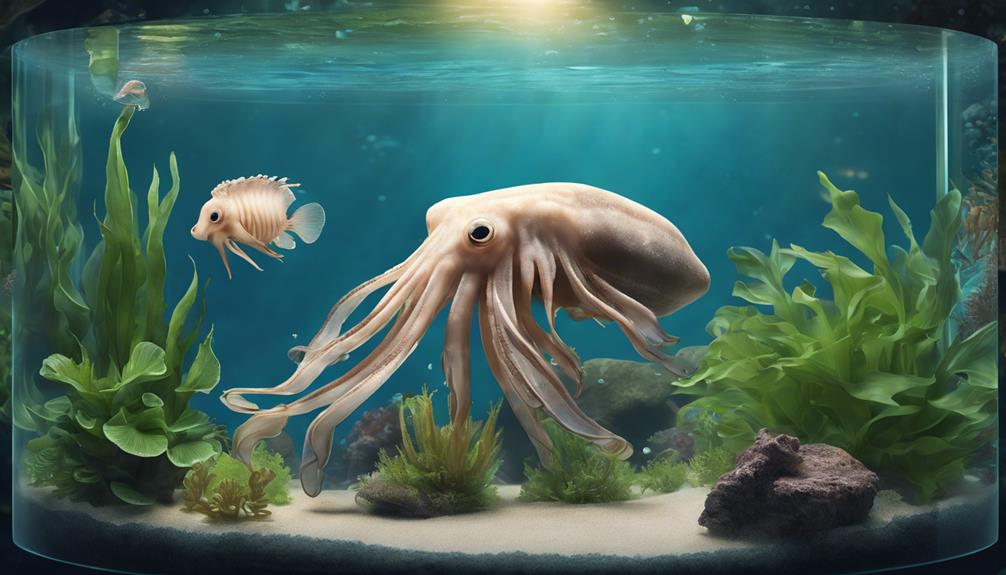
Maintaining excellent water quality is essential for cuttlefish health, as poor water conditions can exacerbate illnesses and hinder recovery. You should prioritize water quality to guarantee your cuttlefish receives the best possible care. A well-maintained aquarium is pivotal for their well-being, and it starts with proper water cycling. You'll want to perform regular water changes, ideally 10-15% every week, to remove built-up toxins and waste products. This helps maintain a stable environment, reducing stress on your cuttlefish.
pH fluctuations can be harmful to your cuttlefish's health, so it's crucial to monitor and adjust the pH levels accordingly. A sudden change in pH can cause stress, leading to illness or even death. You should aim to maintain a stable pH range between 7.9 and 8.4, which is ideal for cuttlefish. To achieve this, you can use pH buffers or adjust the water chemistry by adding or removing specific minerals.
Regular water testing will help you identify any potential issues before they become severe problems. You should test for ammonia, nitrite, and nitrate levels regularly, making adjustments as needed. By emphasizing water quality, you're providing your cuttlefish with a safe and healthy environment, which is essential for their recovery from illness. Remember, a well-maintained aquarium is the foundation of your cuttlefish's health, so stay vigilant and take proactive steps to ensure excellent water quality.
Preventative Measures for a Healthy Cuttlefish
By incorporating a balanced diet and providing mental stimulation, you can greatly reduce the risk of illnesses in your cuttlefish. A well-planned diet that includes a variety of nutrient-rich foods will help keep your cuttlefish healthy and strong. Providing mental stimulation through activities such as Cuttlefish exercise and environmental enrichment can also help reduce stress and prevent illnesses.
To create a healthy habitat for your cuttlefish, make sure to:
- Provide a large enough tank with plenty of hiding places and visual barriers to reduce stress
- Maintain a consistent water temperature and quality, with regular water changes and monitoring of water parameters
- Create a varied and interesting environment with plenty of opportunities for Cuttlefish exercise and exploration
Frequently Asked Questions
Can I Use Human Antibiotics to Treat My Cuttlefish's Infection?
Did you know that 80% of antibiotics used in aquaculture are identical to those used in human medicine? Now, about your question: using human antibiotics to treat your cuttlefish's infection isn't recommended. Fish pharmacology is a specialized field, and human antibiotics can exacerbate antibiotic resistance, harming your pet and the environment. Instead, consult a veterinarian experienced in fish care to determine the best course of treatment for your cuttlefish.
How Often Should I Quarantine a Sick Cuttlefish From Other Aquarium Inhabitants?
When dealing with a sick cuttlefish, you'll want to quarantine it from other aquarium inhabitants to prevent the spread of disease. You should keep your cuttlefish isolated for a minimum of 4-6 weeks, depending on the severity of the infection. During this tank segregation, make sure to provide a stress-free environment and monitor your cuttlefish's health closely. After the isolation period, reintroduce your cuttlefish to the main tank once it's fully recovered.
Are There Any Natural Remedies for Cuttlefish With Cloudy or Swollen Eyes?
"Take a step back, Doc, and imagine it's 1850 – you're a cuttlefish whisperer, and your cephalopod friend is struggling with cloudy or swollen eyes. Fear not! You can try some natural remedies to clear things up. Consider adding herbal remedies like chamomile or peppermint to the tank water to reduce inflammation. You can also use Eye Drops specifically designed for aquatic use to help clear up those peepers. Just remember to always prioritize your cuttlefish's safety and consult with a vet before making any changes."
Can I Use Copper-Based Treatments to Combat Cuttlefish Parasites?
You're considering copper-based treatments to combat parasites in your cuttlefish, but beware of copper toxicity. Copper can be toxic to aquatic life, even at low levels. When copper reacts with water, it can alter aquatic chemistry, harming your cuttlefish. Instead of risking copper toxicity, explore alternative, safer treatment options that prioritize your cuttlefish's health and well-being.
Will a Water Change Stress Out My Cuttlefish During Recovery?
As you peer into the aquarium, the cuttlefish's curious gaze meets yours, like a whispered secret. When it comes to recovering cuttlefish, you're right to wonder if a water change will stress them out. The answer is, it depends on your tank's stability. A well-maintained tank with excellent water quality can handle a water change without stressing your cuttlefish. However, if your tank is already unstable, a water change might be the final straw. Prioritize tank stability and monitor water quality to guarantee a smooth recovery.


