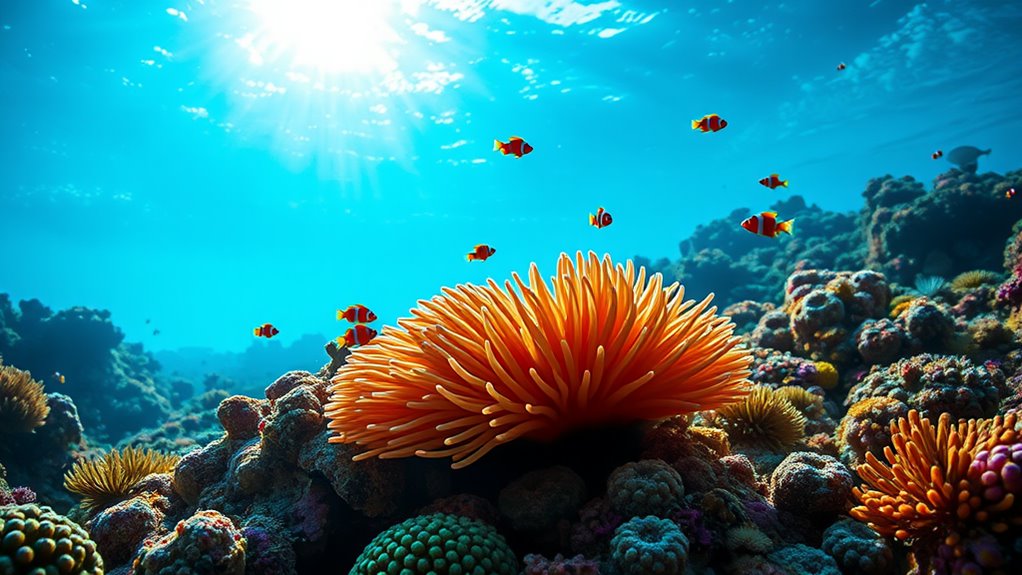
You're likely familiar with cuttlefish's unique behavior and social dynamics, but did you know that natural decorations can elevate their tank experience? By incorporating rocks, live plants, and natural shelters, you can create a visually stunning environment that mimics their native habitats. Choose chemically inert rocks, saltwater-compatible plants, and design a sand bed that provides hiding spots and texture contrast. As you balance aesthetics with functionality, you'll create a comfortable space that encourages your cuttlefish to thrive. Now, get ready to take your tank to the next level by discovering more expert tips and tricks.
Understanding Cuttlefish Behavior

When setting up a cuttlefish tank, understanding their behavior is vital, as these intelligent creatures have complex social interactions and unique habits that require specific accommodations. As you plan your tank, it's important to take into account the intricate social dynamics of cuttlefish. You'll want to provide a space that fosters harmony and comfort for your cephalopods.
Cuttlefish communication is a fascinating aspect of their behavior. They use a range of signals, including body language, color changes, and posturing, to convey information and maintain social hierarchies. In a tank, you'll need to offer ample space for your cuttlefish to establish their own social order. This means ensuring your tank is large enough to accommodate multiple animals, with plenty of hiding places and visual barriers to reduce stress.
Social hierarchies play a significant role in cuttlefish behavior, with dominant individuals asserting their dominance through aggressive displays. As you introduce new cuttlefish to your tank, it's important to monitor their behavior and promote a peaceful coexistence. By understanding these complex social interactions, you can create a safe and thriving environment for your cuttlefish. By doing so, you'll be rewarded with a fascinating display of cuttlefish behavior, as they explore, communicate, and thrive in their new habitat.
Benefits of Natural Decor
When setting up your cuttlefish tank, you’ll want to explore the benefits of incorporating natural decor. Not only will it enhance the aesthetic appeal of your tank, but it’ll also provide environmental enrichment for your cuttlefish. By integrating natural elements, you’ll be creating a stimulating environment that’ll keep your cuttlefish engaged and thriving. Additionally, using rocks, driftwood, and live plants can mimic the cuttlefish’s natural habitat, allowing them to exhibit their natural behaviors, such as hiding and hunting. When decorating cuttlefish aquariums naturally, consider the size and shape of the decorations to ensure they create plenty of hiding spots while also allowing open swimming spaces. This balance will not only beautify your tank but will also promote the health and well-being of your cuttlefish, leading to a more vibrant and dynamic aquatic environment.
Aesthetic Appeal Boost
Natural decorations will elevate the visual appeal of your cuttlefish tank, transforming it into a stunning underwater oasis that you'll love gazing at. By incorporating natural elements, you'll create a visually harmonious environment that's both calming and stimulating.
When designing your tank's aesthetic, consider the following key aspects to achieve visual harmony:
- Color schemes: Select decorations that complement the natural colors of your cuttlefish, guaranteeing a cohesive look.
- Texture variety: Mix smooth, rocky, and plant-like textures to create depth and visual interest.
- Scale and proportion: Ensure decorations are proportional to your tank's size and your cuttlefish's swimming space.
- Balance and asymmetry: Strike a balance between decorations and open swimming areas, creating an asymmetrical yet visually appealing arrangement.
Environmental Enrichment
By incorporating natural decorations, you're not only enhancing your tank's aesthetic appeal but also providing your cuttlefish with a stimulating environment that challenges and engages them. Environmental enrichment is essential for the well-being of your cuttlefish, as it helps to reduce stress and boredom. Natural decorations like rocks, plants, and driftwood offer a variety of sensory stimulation, allowing your cuttlefish to explore and interact with their surroundings. This stimulation can include visual, tactile, and olfactory experiences, keeping your cuttlefish engaged and active. Additionally, natural decorations can facilitate social interaction among your cuttlefish, encouraging them to communicate, play, and even form bonds with each other. By providing a dynamic and varied environment, you're ensuring your cuttlefish lead happy, healthy lives. By carefully selecting and arranging natural decorations, you can create a thriving ecosystem that promotes the physical and mental well-being of your cuttlefish.
Choosing the Right Rocks

You'll want to select rocks that are chemically inert, meaning they won't alter the water's pH or hardness, or release unwanted minerals that could harm your cuttlefish. This is essential, as your cuttlefish's health depends on a stable and safe environment.
When choosing rocks, consider the following factors to guarantee a harmonious coexistence between your cuttlefish and their surroundings:
- Rock formations: Opt for rocks with varied shapes and sizes to create a visually appealing and stimulating environment. This will encourage your cuttlefish to explore and engage with their surroundings.
- Rock colors: Select rocks with muted, natural colors that won't disrupt the tank's aesthetic or cause stress to your cuttlefish. Avoid bright or bold colors, as they can be overstimulating.
- Rock textures: Incorporate rocks with different textures, such as smooth, rough, or porous, to provide a diverse and engaging environment.
- Rock placement: Strategically place rocks to create hiding places, tunnels, and open spaces, allowing your cuttlefish to feel secure and comfortable.
Selecting Live Plants Safely
When adding live plants to your cuttlefish tank, make certain to choose species that are compatible with saltwater environments and won't harm your cuttlefish if ingested. You want to avoid introducing Plant Toxicity into your tank, which can be devastating to your cuttlefish's health. Research the plant species you're interested in and make sure they're safe for your cuttlefish to be around.
You'll also need to inspect the plants for Aquatic Pests, such as snails or insects, that can hitch a ride into your tank. Quarantine any new plants for a few weeks before introducing them to your main tank to minimize the risk of contamination. Make sure to wash your hands thoroughly before and after handling the plants to prevent transferring any pests or bacteria.
When selecting live plants, opt for species that thrive in low-light conditions, as cuttlefish tanks often have limited lighting. Some good options include sea grasses, sea fans, and certain types of algae. Avoid plants with sharp edges or points that could cause injury to your cuttlefish. By choosing the right plants and taking proper precautions, you can create a thriving and safe environment for your cuttlefish to enjoy.
Creating Hiding Places Naturally
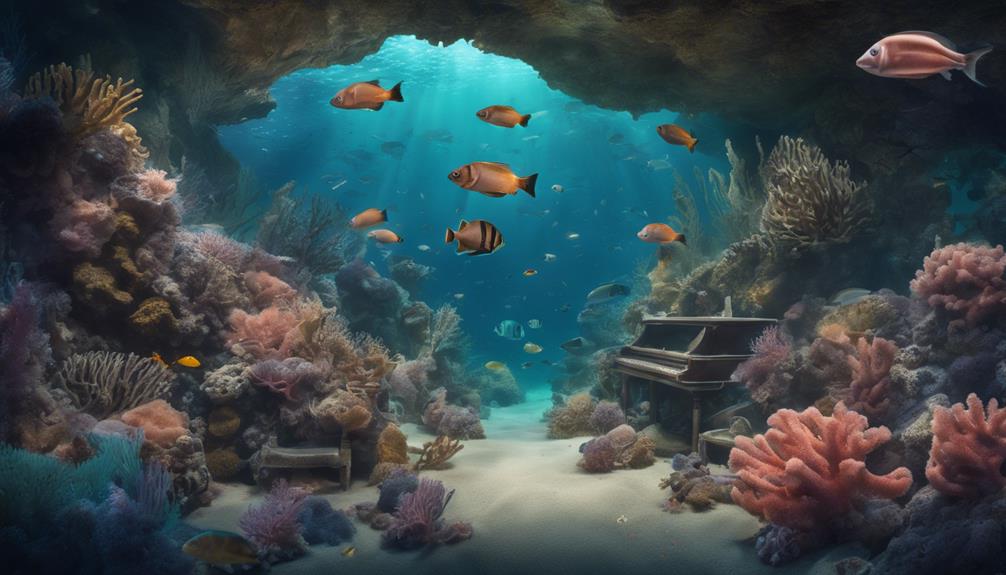
Cuttlefish are naturally curious creatures, and providing them with plenty of hiding places can help reduce stress and create a sense of security in their environment. By mimicking their natural habitat, you can create a comfortable and calming space for your cuttlefish to thrive.
One way to create hiding places naturally is by incorporating cave formations and rocky outcroppings into your tank's decor. These structures not only provide hiding spots but also create visual interest and stimulate exploration. Here are some ways to incorporate natural hiding places into your tank:
- Rocky outcroppings: Use natural rocks or artificial replicas to create outcroppings that provide hiding places and visual interest.
- Cave formations: Create cave-like structures using rocks, shells, or other decorations to provide secluded hiding spots.
- Tunnel systems: Design tunnel systems using pipes or tubes to create hidden pathways for your cuttlefish to explore.
- Plant-covered decorations: Use plants to cover decorations, creating hidden areas and visual interest.
Adding Driftwood to the Tank
Incorporating driftwood into your tank's decor not only adds visual interest but also provides additional hiding spots and creates a sense of complexity that can stimulate your cuttlefish's natural curiosity. As you prepare to add driftwood to your tank, it's important to source it safely. Avoid collecting driftwood from polluted areas or beaches with high levels of human activity, as these can introduce toxins into your tank. Instead, opt for driftwood sourced from pristine coastal areas or purchase it from a reputable supplier.
Before adding the driftwood to your tank, proper preparation is essential. Start by thoroughly cleaning the driftwood to remove any dirt, debris, or salt residue. You can soak the driftwood in a separate tank with dechlorinated water for a few weeks to allow any tannins to leach out. This step is necessary to prevent any sudden changes in water chemistry that could harm your cuttlefish. Once the driftwood is clean and prepared, you can carefully place it in your tank, ensuring it's securely anchored to prevent it from shifting or causing any harm to your cuttlefish. By following these steps, you can safely add driftwood to your tank, creating a visually appealing and stimulating environment for your cuttlefish to thrive.
Incorporating Natural Shelters

You'll want to provide your cuttlefish with a variety of natural shelters, such as rocks, coral, or shells, to give them a sense of security and comfort in their environment. Incorporating natural shelters can help reduce stress and create a sense of calm in your cuttlefish. This is especially important since cuttlefish are naturally curious and need places to hide and feel safe.
When incorporating natural shelters, consider the following:
- Cave Systems: Create a network of connected caves using rocks or coral to provide your cuttlefish with a sense of security and exploration.
- Rocky Outcrops: Use large rocks to create outcrops that provide hiding places and visual interest.
- Tunnel Systems: Create tunnels using rocks or shells to provide your cuttlefish with a sense of exploration and discovery.
- Enclosed Spaces: Create enclosed spaces using shells or coral to provide your cuttlefish with a sense of security and comfort.
Using Sand and Gravel Effectively
As you design your cuttlefish tank, you'll want to evaluate the ideal gravel depth, create a thoughtful sand bed design, and balance texture contrasts to create a visually appealing and comfortable environment for your cuttlefish. By focusing on these key elements, you'll be well on your way to crafting a natural, engaging space for your cephalopod friends.
Gravel Depth Matters
When setting up your cuttlefish tank, you're not just scattering gravel and sand haphazardly – the depth and distribution of these substrates play a critical role in replicating the natural environment. Gravel density and substrate stratification are vital aspects to take into account. A well-planned substrate layer can provide your cuttlefish with a sense of security and comfort.
To guarantee a safe and healthy environment, follow these guidelines:
- Gravel depth: Aim for a minimum of 1-2 inches (2.5-5 cm) of gravel to allow for proper water circulation and prevent digging.
- Substrate layering: Create a gradual shift from coarse gravel to finer sand to mimic the natural ocean floor.
- Gravel density: Balance the weight of the gravel to prevent it from shifting excessively, which can cause stress to your cuttlefish.
- Substrate cleaning: Regularly clean the substrate to prevent the buildup of toxins and maintain water quality.
Sand Bed Design
Designing an effective sand bed is essential, and it starts with allocating the right ratio of sand to gravel. You'll want to aim for a mix of 2/3 sand and 1/3 gravel to create a stable and visually appealing base for your cuttlefish tank. This ratio allows for good water circulation and prevents the buildup of debris.
When it comes to creating sand patterns, you can get creative! Use a sand sifter or a pipette to create unique designs, such as ripples or waves, that mimic the ocean floor. You can also add some beachy vibes by creating a gradual slope or a "beach" area with shallow water. This will not only create visual interest but also provide your cuttlefish with a comfortable and natural environment.
Remember to choose sand and gravel that are specifically designed for aquarium use and are safe for your cuttlefish. Avoid using gravel with sharp edges or sand with high levels of silica, as these can cause harm to your aquatic friends. By following these tips, you'll create a beautiful and safe sand bed that will enhance the overall aesthetic of your tank.
Texture Contrast Importance
You'll often find that incorporating a mix of textures in your cuttlefish tank creates visual interest and stimulates your aquarium's inhabitants. By combining different textures, you can create a visually appealing environment that mimics the natural habitats of your cuttlefish.
When it comes to using sand and gravel effectively, it's essential to take into account the texture contrast. Here are some tips to bear in mind:
- Vary the grain size: Mix coarse and fine-grained materials to create a visually appealing contrast.
- Combine smooth and rough textures: Pair smooth rocks with rough coral patterns or gravel with smooth sand.
- Incorporate rock formations: Add rock formations with varying textures to create a natural, layered look.
- Balance texture with color: Make sure that the textures you choose complement the colors in your tank, avoiding overwhelming or clashing combinations.
Adding Decorative Branches

Add decorative branches to your cuttlefish tank to create hiding places and visual interest, and to mimic the seaweed and kelp forests found in their natural habitat. This replication of their natural environment will help reduce stress and promote a sense of security for your cuttlefish. When arranging the branches, consider a tree-like structure with a central stem and branching arms. This will provide multiple hiding spots and create a sense of depth in the tank.
To achieve a natural branch arrangement, you can use a combination of straight and curved branches of varying lengths. You can also experiment with different branch textures and colors to mimic the diversity of seaweed and kelp. For a more realistic tree replication, you can attach the branches to a central rock or decoration, creating a sturdy base for your underwater forest.
When selecting branches, choose those that are safe for aquarium use and free of any chemicals or toxins that could harm your cuttlefish. You can also use artificial branches specifically designed for aquariums, which come in a variety of shapes, sizes, and colors. By adding decorative branches to your tank, you'll create a visually appealing and stimulating environment that will keep your cuttlefish engaged and happy.
Balancing Aesthetics and Function
As you create your underwater landscape, balancing aesthetics and function becomes essential to guarantee your cuttlefish thrive in a visually stunning yet functional environment. You want to create a space that's not only pleasing to the eye but also provides a safe and healthy habitat for your cuttlefish.
To achieve this balance, it's important to take into account the Visual Hierarchy of your tank. This means arranging decorations in a way that guides the viewer's attention to the most important elements, creating a sense of harmony and visual flow. Effective Space Planning is also important, as it ensures that your cuttlefish have ample swimming room and can move freely without obstacles.
Here are some tips to keep in mind when balancing aesthetics and function:
- Create hiding places: Incorporate decorations that provide cuttlefish with places to hide and feel secure, such as rocks, plants, or ceramic shelters.
- Leave open swimming areas: Ensure that there's enough open space for your cuttlefish to swim freely without obstacles or narrow passages.
- Consider water flow: Arrange decorations to promote good water circulation and prevent dead spots where water can stagnate.
- Monitor and adjust: Regularly observe your cuttlefish and make adjustments to the tank's layout as needed to ensure their comfort and well-being.
Frequently Asked Questions
Can I Use Natural Decor From My Local Beach or Ocean?
As you wander the shoreline, the siren's call of beachcombing beckons. But, before you collect that perfect piece of driftwood, remember that the ocean's treasures aren't always yours to take. Beachcombing ethics and oceanic regulations dictate what can be taken, and what must be left untouched. Don't risk harming the delicate ecosystem or facing legal consequences. Research local guidelines and respect the ocean's boundaries, ensuring a safe and responsible treasure hunt.
How Often Should I Clean My Cuttlefish Tank Decorations?
You'll want to clean your cuttlefish tank decorations regularly to keep your pets safe and healthy. Set a cleaning schedule to make sure you're cleaning your decorations every 2-3 weeks. For decorations made from natural materials like coral or rocks, gently scrub them with a soft-bristled brush to remove any algae or debris. Be sure to rinse them thoroughly before putting them back in the tank to prevent any contamination.
Are Natural Decorations Suitable for a Small Cuttlefish Tank?
You're wondering if natural decorations are appropriate for a small cuttlefish tank. With space constraints, it's crucial to prioritize aesthetic balance. Natural decorations can work beautifully in small tanks, but be cautious not to overcrowd the space. Choose decorations that provide hiding places and visual interest without taking up too much room. Remember, safety first: guarantee your cuttlefish has enough swimming space and that decorations aren't a hazard.
Can I Use Natural Decorations With Artificial Tankmates?
As you step into the underwater world, imagine a symphony of harmony playing in the background. When introducing natural decorations alongside artificial tankmates, you'll want to establish a balance between aesthetics and safety. Secure Tankmate Harmony by choosing decorations that won't pose a threat to your cuttlefish or artificial companions. Achieve Decor Balance by selecting natural elements that complement, rather than overwhelm, the artificial elements. By doing so, you'll create a thriving, peaceful environment where all inhabitants can coexist in harmony.
Do Natural Decorations Increase the Risk of Tank Pests?
When introducing natural decorations to your tank, you might wonder if you're increasing the risk of unwanted pests. The good news is that natural decorations, when properly cleaned and maintained, don't necessarily attract pests. In fact, organic methods like using live plants and driftwood can even help with pest control. You can breathe easy, knowing that with proper care, natural decorations won't compromise the safety of your underwater world.