
You're about to set up a captivating cuttlefish aquarium, but first, you'll need a suitable tank. Aim for a minimum 50-gallon capacity, and opt for a longer, rectangular shape to accommodate horizontal swimming. Cuttlefish thrive in solitude, so keep them alone. For a thriving environment, maintain a pH range of 7.9-8.4, temperature between 22-25°C, and water hardness of dGH 10-15. Cycling your aquarium, proper filtration, and precise water chemistry monitoring are also essential. As you prepare to introduce your cuttlefish, you'll need to fine-tune these elements – and that's just the beginning of your underwater adventure.
Choosing the Right Aquarium Size

When deciding on an aquarium size for your cuttlefish, remember that a minimum tank capacity of 50 gallons is highly recommended, as these intelligent creatures require ample space to thrive. A larger tank provides a more vital environment, which is essential for maintaining the delicate balance of water parameters and safeguarding the health of your cuttlefish.
A longer aquarium is preferred over a taller one, as cuttlefish are horizontal swimmers. A longer tank also allows for better water circulation, which helps to prevent 'dead zones' where water can become stagnant. A rectangular aquarium shape is a good choice, as it provides a larger swimming area than an aquarium with a similar capacity but a narrower shape.
In terms of stocking capacity, it's essential to remember that cuttlefish are solitary creatures and should be kept alone. Overcrowding can lead to stress, disease, and even aggression. With a minimum tank capacity of 50 gallons, you can make sure that your cuttlefish has enough space to swim and thrive. By choosing the right aquarium size and shape, you can create a safe and healthy environment for your cuttlefish to flourish.
Selecting the Perfect Water Parameters
You'll need to carefully select water parameters that closely match the natural environment of your cuttlefish to guarantee its peak health and well-being. Cuttlefish are sensitive creatures, and even slight deviations from their ideal water conditions can cause stress, illness, or even death.
To guarantee your cuttlefish thrive, focus on replicating their natural habitat's water chemistry. Here are some key considerations:
- pH tolerance: Cuttlefish prefer a pH range of 7.9-8.4, which is slightly alkaline. Make sure your water testing kit is accurate and reliable to maintain this narrow pH window.
- Temperature: Cuttlefish are comfortable between 22-25°C (72-77°F), with a slight tolerance for fluctuations. Invest in a high-quality heater and thermometer to maintain a stable temperature.
- Water hardness: Cuttlefish thrive in water with moderate hardness (dGH 10-15). Regular water changes and a balanced water chemistry will help maintain ideal hardness levels.
Cycling Your Aquarium for Cuttlefish

Now that your water parameters are set, it's time to cycle your aquarium, an essential step in creating a healthy environment for your cuttlefish. Cycling your aquarium allows beneficial bacteria to establish themselves, breaking down waste and toxins that can harm your cuttlefish. Without a proper cycle, you risk exposing your cuttlefish to ammonia and nitrite, which can be deadly.
To cycle your aquarium, you'll need to introduce a source of ammonia, such as fish food or a commercial ammonia supplement. This will trigger a bacterial bloom, where beneficial bacteria feed on the ammonia and multiply. As the bacteria grow, they'll convert the ammonia into nitrite, and eventually nitrate. This process can take anywhere from 2-6 weeks, depending on factors like water temperature and the amount of ammonia present.
During this time, you'll need to monitor your water parameters closely, as nitrogen spikes can occur. Keep a close eye on your ammonia, nitrite, and nitrate levels, and be prepared to make adjustments as needed. It's also essential to perform regular water changes to prevent the buildup of toxins.
Essential Filtration and Pumps
Proper filtration and pumps are vital components of a cuttlefish aquarium, as they help maintain ideal water quality and circulation, which is essential for the health and well-being of your cuttlefish. You'll want to make sure that your filtration system is capable of handling the biological load of your cuttlefish, as well as maintaining ideal water parameters.
When it comes to pumps, you'll need to take into account the flow rate and type of pump that's best suited for your aquarium. Here are a few key considerations to keep in mind:
- Flow rates: Aim for a flow rate of around 10-20 times the volume of your aquarium per hour. This will help maintain good water circulation and prevent stagnant areas.
- Pump types: You'll need to decide between a submersible pump, which is quieter and more energy-efficient, or an external pump, which provides more flexibility and customization options.
- Filtration types: You can choose between mechanical, biological, and chemical filtration, or a combination of these. Mechanical filtration removes debris and particulate matter, while biological filtration breaks down ammonia and nitrite. Chemical filtration removes impurities and toxins.
Creating Hiding Places and Decor
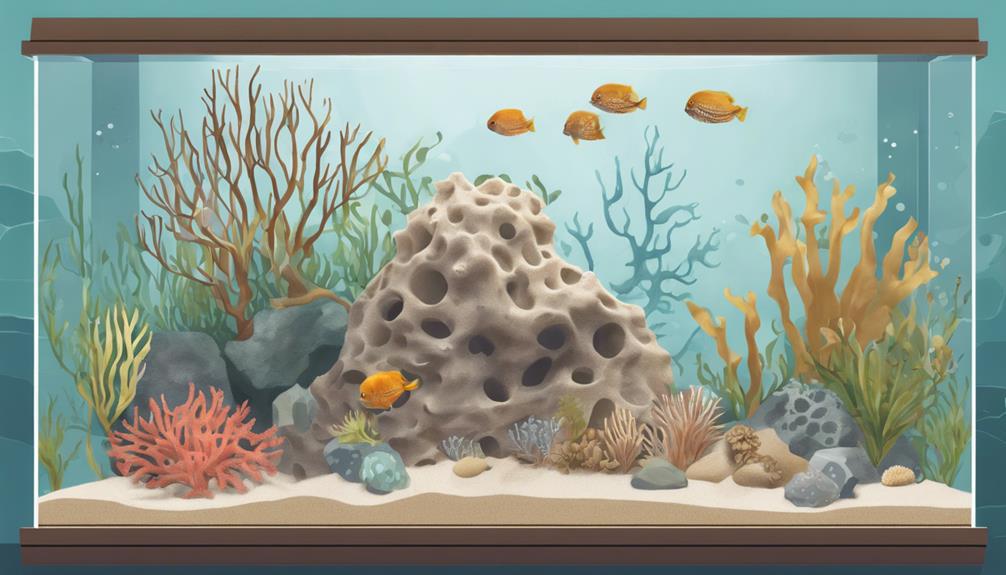
As you've set up your filtration and pumps, it's time to focus on creating an environment that provides your cuttlefish with a sense of security and comfort, and that starts with creating hiding places and decor. Cuttlefish are naturally curious creatures, but they also need places to hide and feel secure. By providing them with plenty of hiding spots, you'll help reduce stress and create a more peaceful environment.
To create hiding places, consider adding rocky outcroppings or artificial reefs to your aquarium. These structures will provide your cuttlefish with plenty of nooks and crannies to explore and hide in. You can also add plants, coral, or other decorations to create a sense of depth and visual interest.
When choosing decorations, make sure they're safe for your cuttlefish. Avoid using anything with sharp edges or points that could cause injury. You should also avoid using anything that could trap or confine your cuttlefish, such as small caves or narrow tunnels.
Maintaining Optimal Water Quality
You'll need to test and adjust the water parameters regularly to maintain ideal water quality for your cuttlefish. Cuttlefish are sensitive creatures, and even slight changes in water chemistry can affect their health. Regular water testing will help you identify any issues before they become major problems.
To maintain ideal water quality, you'll need to perform regular water changes. Aim to change around 10-15% of the tank water weekly to remove built-up toxins and maintain a healthy biological balance. This will help prevent the growth of harmful bacteria and keep your cuttlefish thriving.
Here are some essential tips to keep in mind:
- Monitor ammonia and nitrite levels: These toxic compounds can be deadly to your cuttlefish, so it's important to test for them regularly.
- Maintain a stable pH: Cuttlefish prefer a slightly alkaline pH, so make sure to test and adjust the pH levels regularly.
- Watch for signs of stress: If your cuttlefish are stressed, it can lead to water quality issues. Look out for signs like rapid breathing, changes in color, or erratic swimming.
Feeding and Nutrition for Cuttlefish

As you set up your cuttlefish aquarium, you'll need to take into account their unique dietary needs. You'll want to provide a varied diet that includes nutrient-rich food sources, ensuring your cuttlefish receive the necessary nutrients for peak health and growth. By understanding what to feed your cuttlefish, you'll be able to create a well-balanced diet that meets their specific requirements.
Cuttlefish Dietary Needs
Cuttlefish require a varied and nutrient-rich diet that includes a mix of meaty and crunchy foods to support their unique biology and maintain peak health. As you set up your cuttlefish aquarium, it's crucial to understand their dietary needs to guarantee they thrive.
You'll need to cater to your cuttlefish's cravings by providing a diverse range of foods. Here are some key considerations:
- Live prey: Cuttlefish are natural predators and love to hunt live prey, such as brine shrimp or small fish. This will help to stimulate their natural behavior and provide essential nutrients.
- Meaty treats: Cuttlefish enjoy meaty foods like squid, shrimp, or fish flesh. These high-protein foods will help to support their growth and energy needs.
- Crunchy snacks: Cuttlefish also need crunchy foods like crab shells or shrimp to help keep their beaks trimmed and healthy.
Nutrient-Rich Food Sources
When selecting food sources for your cuttlefish, prioritize nutrient-dense options that provide a balanced mix of protein, vitamins, and minerals. You'll want to offer a varied diet that mimics their natural feeding habits. Live Brine shrimp, for instance, make an excellent food source, rich in protein and omega-3 fatty acids. Frozen Plankton is another great option, packed with essential nutrients and easy to digest.
Avoid overfeeding, as cuttlefish have small stomachs and can't handle large amounts of food. Instead, feed them 2-3 times a day, only as much as they can consume within a few minutes. You can also supplement their diet with commercial pellets or flakes specifically formulated for cephalopods. However, always prioritize live or frozen foods to guarantee your cuttlefish receive the nutrients they need to thrive. Remember, a well-fed cuttlefish is a happy and healthy one, so take the time to research and provide the best food options for your pet.
Managing Temperature and Lighting
You'll need to maintain a narrow temperature range of 72°F to 78°F (22°C to 25°C) for your cuttlefish, with minimal fluctuations, to guarantee their peak health and well-being. This temperature range allows your cuttlefish to thrive, and even slight deviations can cause stress and illness.
To achieve this temperature range, you'll need to take into account the following:
- Temperature gradients: Make sure that your aquarium has a consistent temperature throughout, avoiding hotspots or cold spots that can cause stress to your cuttlefish.
- Lighting schedules: Implement a lighting schedule that simulates a natural day-night cycle, with 10-12 hours of light and 12-14 hours of darkness. This will help regulate your cuttlefish's circadian rhythms.
- Avoid sudden changes: When making adjustments to your aquarium's temperature or lighting, do so gradually to prevent shocking your cuttlefish.
Monitoring Water Chemistry and Health

Regularly testing the water's pH, ammonia, nitrite, and nitrate levels helps you stay on top of your aquarium's water chemistry, ensuring a healthy environment for your cuttlefish to thrive in. You can do this using water testing kits, which are readily available at pet stores or online. These kits usually include test strips or liquid tests that provide accurate readings of your aquarium's water parameters.
When testing, make sure to follow the manufacturer's instructions carefully to get accurate results. You should test the water at least once a week, or whenever you notice any changes in your cuttlefish's behavior or appearance. By doing so, you'll be able to detect any potential water quality issues before they become a problem.
Aquatic disease prevention is essential in maintaining a healthy aquarium. Regular water testing helps you identify any potential issues before they affect your cuttlefish. For example, high ammonia levels can be toxic to your cuttlefish, so it's essential to monitor and maintain safe levels. By staying on top of your aquarium's water chemistry, you'll be able to prevent diseases and ensure your cuttlefish live a long and healthy life. Remember, regular water testing is key to maintaining a thriving and healthy aquarium.
Frequently Asked Questions
Can I Keep Cuttlefish With Other Marine Animals in the Same Tank?
You’re tempted to create a thriving marine community, but beware: introducing tankmates to your cuttlefish can be a recipe for disaster. Will your new additions trigger a predatory response or become a snack? Not all species are compatible, and choosing the wrong tankmates can be fatal. Carefully select species that are compatible, peaceful, and similar in size and temperament. Research species selection and tankmates compatibility to guarantee a harmonious coexistence in your underwater world. Moreover, it’s essential to monitor the behavior of your cuttlefish and new tankmates closely after introduction. The dynamics of the marine environment can change quickly, and being vigilant will help you catch any signs of aggression or stress early on. For those just starting their aquatic journey, incorporating beginner tips for reef tanks can set a solid foundation that promotes not only the health of your cuttlefish but also encourages a thriving ecosystem overall.
How Often Should I Clean the Gravel and Decorations?
You'll want to clean your gravel and decorations regularly to keep your cuttlefish happy and healthy. Aim to vacuum the gravel every 2-3 weeks to remove debris and prevent toxin buildup. Inspect your decorations monthly, gently scrubbing off any algae or dirt. Remember to replace any damaged decorations to prevent sharp edges. By staying on top of maintenance, you'll create a safe and thriving environment for your cuttlefish.
Will Cuttlefish Recognize and Interact With Their Owners?
You're wondering if your cuttlefish will recognize and interact with you. The answer is yes! Cuttlefish are highly intelligent and can form bonds with their owners. Through regular tank maintenance and feeding, you'll encourage tank bonding. As you spend more time near the tank, your cuttlefish will become familiar with your presence, even recognizing your face and responding to your movements. With gentle, consistent interactions, you'll build trust and owner familiarity, leading to a strong connection with your fascinating pet.
Can I Use a Regular Aquarium Filter for Cuttlefish?
When selecting a filter for your cuttlefish, you'll want to prioritize gentle flow rates to guarantee their well-being. Regular aquarium filters might be too powerful, causing strong currents that can harm your cuttlefish. Opt for a filter specifically designed for cephalopods or a low-flow filter with adjustable flow rates. This will provide a safe and comfortable environment for your cuttlefish to thrive.
How Long Do Cuttlefish Typically Live in Captivity?
You're wondering how long cuttlefish typically live in captivity. Well, their lifespan in captivity usually ranges from 1-3 years, but it can vary greatly depending on factors like water quality, diet, and tank conditions. Captivity challenges, such as stress and disease, can also impact their lifespan. By providing excellent care and a safe environment, you can help your cuttlefish thrive and live a longer, healthier life.


