
You're about to create a thriving environment for your cuttlefish! To get started, choose a tank that's at least 50 gallons with a secure lid, rocks, plants, and decorations for hiding places. Introduce beneficial bacteria, maintain a temperature range of 72°F to 77°F, and provide sufficient aquarium lighting. Monitor water quality, including pH, ammonia, and nitrate levels. Next, focus on your cuttlefish's diet, providing a varied and nutrient-rich mix of frozen and live foods. As you set up your tank, remember to prioritize your cuttlefish's health – and you'll soon uncover the secrets to a vibrant aquatic experience.
Choosing the Right Aquarium

When setting up a cuttlefish tank, you'll need an aquarium that provides ample space and stability, as these intelligent creatures require a minimum of 50 gallons of swimming room and a secure, escape-proof environment. A larger tank ensures that your cuttlefish can swim freely, reducing stress and promoting overall well-being.
When selecting the right aquarium, consider the aquatic landscape you want to create. Cuttlefish thrive in environments with plenty of hiding places, so incorporate rocks, plants, and other decorations that provide visual interest and shelter. Aesthetic considerations are vital, as a visually appealing tank will not only enhance the viewing experience but also create a sense of calm for your cuttlefish.
Opt for a high-quality aquarium with a secure lid, as cuttlefish are notorious escape artists. A leak-proof tank with a reliable filtration system is also essential, as cuttlefish are sensitive to water quality. By choosing the right aquarium, you'll be well on your way to creating a safe, thriving environment for your cuttlefish. Remember, a well-designed tank is critical for the health and happiness of your cephalopod companions.
Cycling the Cuttlefish Tank
You're now ready to tackle the essential step of cycling your cuttlefish tank, which involves setting up a cycle that will establish a healthy balance of bacteria. As you monitor ammonia levels, you'll need to make sure that they're within safe ranges for your cuttlefish. By achieving bacterial balance, you'll create a thriving environment for your cephalopod friends to flourish.
Setting Up Cycle
Establish a stable biological cycle in your cuttlefish tank by introducing beneficial bacteria to break down waste products, a crucial step in creating a thriving environment for your cephalopod friends. This process, known as cycling, allows your tank to establish a healthy balance, reducing the risk of water quality issues that can harm your cuttlefish.
To achieve a successful cycle, follow these steps:
- Introduce a source of beneficial bacteria, such as a commercial bacteria supplement or a small amount of gravel from an established aquarium.
- Maintain ideal water temperature between 22°C to 25°C (72°F to 77°F) to promote bacterial growth.
- Provide sufficient aquarium lighting, but avoid direct sunlight, which can promote algae growth.
- Monitor and maintain proper water circulation, ensuring all areas of the tank receive adequate water flow.
Monitoring Ammonia Levels
As you've set the stage for a thriving environment by introducing beneficial bacteria, now it's time to monitor ammonia levels, a critical indicator of your tank's cycling progress. Regular ammonia testing is important to guarantee the health and safety of your cuttlefish. You can use an ammonia test kit to measure the levels of ammonia in your tank. During the nitrogen cycling process, ammonia levels will initially spike and then decrease as beneficial bacteria convert it into nitrite and eventually nitrate.
It's essential to monitor ammonia levels daily, especially during the first few weeks of cycling. High ammonia levels can be toxic to your cuttlefish, so it's essential to take prompt action if you detect any ammonia in your tank. If you notice high ammonia levels, you may need to perform a partial water change to dilute the ammonia concentration. By monitoring ammonia levels closely, you'll be able to identify any potential issues early on and take corrective action to maintain a safe and healthy environment for your cuttlefish.
Bacterial Balance
Now that your tank is cycled, it’s essential to maintain the delicate balance of beneficial bacteria, which is key to keeping your cuttlefish healthy and thriving. You’ve worked hard to establish a thriving colony of beneficial bacteria, and now it’s vital to preserve this balance to guarantee the well-being of your cuttlefish. Regular monitoring of water parameters such as ammonia, nitrites, and nitrates is crucial to ensure that the beneficial bacteria remain in healthy numbers. Additionally, don’t underestimate the importance of tank cleanings; this practice helps remove excess waste and debris that could disrupt the delicate ecosystem you’ve created. By performing routine maintenance and water changes, you not only support the bacteria but also promote a clean and safe environment for your cuttlefish to flourish.
To maintain this balance, remember the following:
- Monitor water parameters: Regularly test for ammonia, nitrite, and nitrate levels to make sure they're within safe ranges for your cuttlefish.
- Maintain good water circulation: Ensure that your tank's water circulation is sufficient to prevent stagnant areas where harmful bacteria can thrive.
- Provide a suitable substrate: Use a substrate that promotes biofilm formation, which is essential for nitrogen conversion and the growth of beneficial bacteria.
- Avoid over-cleaning: Be gentle when cleaning your tank to avoid disrupting the delicate balance of beneficial bacteria.
Water Quality Management
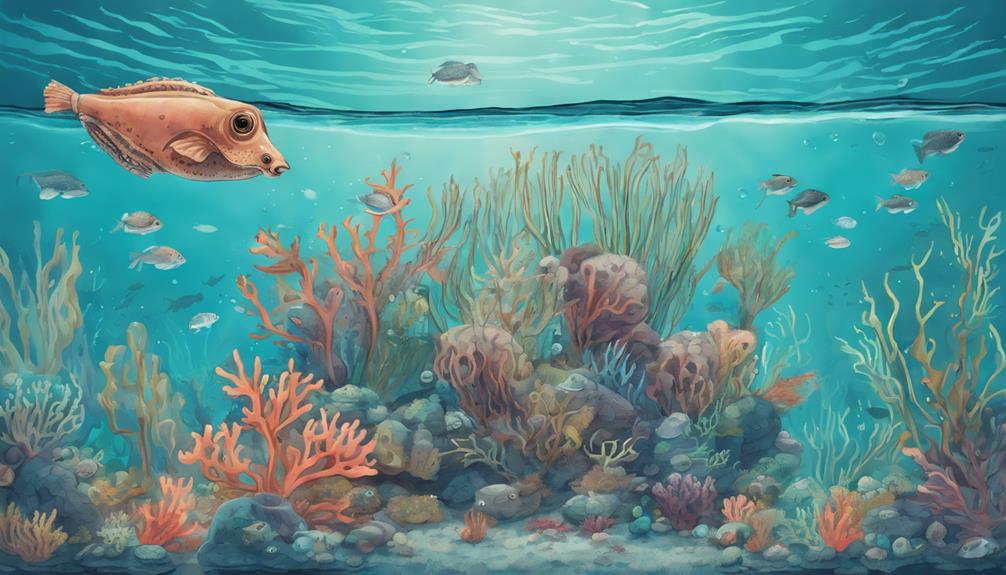
You'll need to monitor and control several key water quality parameters to keep your cuttlefish healthy and thriving. Cuttlefish are sensitive to changes in their environment, so it's important to maintain stable water conditions. pH fluctuations can be particularly vital, so regular pH testing is a must. Aim for a pH range of 7.9-8.4, which is ideal for most cuttlefish species.
| Parameter | Target Range |
|---|---|
| pH | 7.9-8.4 |
| Ammonia | 0 |
| Nitrite | 0 |
| Nitrate | <20 ppm |
| Alkalinity | 8-12 dKH |
Regular alkalinity testing will help you maintain a stable pH and prevent sudden changes. You should also test for ammonia and nitrite, as these toxic compounds can build up quickly in a cuttlefish tank. Nitrate levels should be kept below 20 ppm to prevent algae growth and maintain water clarity. By monitoring these parameters and making adjustments as needed, you'll be able to create a safe and healthy environment for your cuttlefish to thrive. Remember, regular water changes and proper biological filtration are also essential for maintaining good water quality.
Temperature Control Strategies
As you set up your cuttlefish tank, you'll need to establish a stable temperature range that mimics the cuttlefish's natural habitat. You'll want to aim for a temperature range between 50°F to 65°F (10°C to 18°C), which is ideal for these creatures. By using reliable heating methods, you can maintain a consistent temperature that promotes the health and well-being of your cuttlefish.
Optimal Temperature Ranges
Maintaining a temperature range of 50°F to 55°F (10°C to 13°C) is essential for your cuttlefish's best health and comfort. You want to guarantee your cuttlefish can thrive in a stable environment, and temperature control is vital for their well-being. Cuttlefish are sensitive to temperature fluctuations, and even slight changes can cause stress and discomfort.
To create an ideal environment, consider the following thermoregulation techniques:
- Avoid sudden temperature changes: Gradual temperature adjustments will help your cuttlefish adapt comfortably.
- Monitor temperature fluctuations: Keep a close eye on temperature changes to prevent sudden spikes or drops.
- Provide a temperature gradient: Create a temperature gradient in your tank to allow your cuttlefish to choose their preferred temperature zone.
- Maintain a consistent temperature: Aim for a consistent temperature range to reduce stress and promote healthy behavior.
Stable Heating Methods
To maintain a stable temperature in your cuttlefish tank, it's crucial to implement reliable heating methods that can sustain a consistent temperature range. You'll want to avoid sudden temperature fluctuations, which can stress your cuttlefish and lead to health issues.
One effective approach is to use Heat Sink Options, which absorb excess heat and release it slowly, ensuring a stable temperature. This method is particularly useful in smaller tanks, where temperature fluctuations can be more pronounced.
Another option is Infrared Warming, which mimics the natural warmth of the sun. This method is energy-efficient and allows for precise temperature control. When using infrared warming, make sure to position the heating element correctly to avoid hotspots and ensure even heat distribution.
Regardless of the method you choose, it's essential to monitor your tank's temperature regularly to maintain it within the ideal range for your cuttlefish. By implementing a reliable heating method and monitoring temperature fluctuations, you can create a safe and healthy environment for your cuttlefish to thrive.
Cuttlefish Diet and Nutrition

You'll need to provide your cuttlefish with a varied and nutrient-rich diet that includes a mix of frozen and live foods, as well as occasional treats like crab meat or shrimp. This will guarantee your cuttlefish receives a balanced intake of nutrients, vitamins, and minerals. A well-fed cuttlefish is a happy and healthy one, so it's essential to get it right.
Here are some essential foods to include in your cuttlefish's diet:
- Frozen brine shrimp: Rich in protein and omega-3 fatty acids, these tiny crustaceans are a staple in many aquatic diets.
- Live mysis shrimp: These small, peaceful crustaceans are easy to care for and provide a nutritious snack for your cuttlefish.
- Cuttlefish snacks: These specialized treats are formulated to meet the unique nutritional needs of cuttlefish and can be used to supplement their diet.
- Nutrient supplements: Adding a high-quality supplement to your cuttlefish's food can help fill any nutritional gaps and make sure they're getting everything they need to thrive.
Tank Decor and Hiding Places
Your cuttlefish will appreciate a well-designed tank with plenty of hiding places and visual interest, as these clever creatures are naturally inclined to seek out dark, secluded spots to rest, hide, or ambush prey. Providing a variety of hiding places will help reduce stress and create a sense of security for your cuttlefish. You can create these hiding spots using rocky outcrops, artificial reefs, or even PVC pipes. Just be sure to secure any decorations to prevent them from shifting or toppling over, which could harm your cuttlefish.
When designing your tank, consider creating multiple levels and areas of varying water flow. Cuttlefish are skilled navigators and will appreciate the opportunity to explore and hide in different areas. You can also incorporate plants, such as sea fans or soft corals, to provide additional hiding spots and create a natural, ocean-like environment.
Remember to leave enough open swimming space for your cuttlefish to move around comfortably. Aim for a balance between hiding places and open areas to create a stimulating and safe environment. By providing a well-designed tank with plenty of hiding places, you'll be creating a happy and healthy home for your cuttlefish.
Monitoring and Maintaining Health

As you've carefully crafted a thriving environment, now it's time to focus on monitoring and maintaining your cuttlefish's health, watching for any signs of stress or illness that could quickly escalate if left unchecked. Cuttlefish behavior can be a key indicator of their health, so it's essential to observe your pet's daily activities and body language.
Here are some health indicators to look out for:
- Appetite: A reduction in appetite or refusal to eat can be a sign of stress or illness.
- Body coloration: Changes in coloration, such as pale or dull colors, can indicate stress or disease.
- Swimming patterns: Erratic or lethargic swimming patterns can be a sign of illness or stress.
- Mantle or fin damage: Any damage to the mantle or fins can be a sign of injury or disease.
Frequently Asked Questions
Can I Keep Multiple Cuttlefish Together in the Same Tank?
Keeping multiple cuttlefish together is like trying to mix oil and water – it's a recipe for disaster. You'll witness aggression levels skyrocket as they compete for food and space. Even in a massive tank, territorial disputes will arise. To guarantee safety, it's best to keep them solitary. A larger tank size won't mitigate the risks, so it's better to prioritize their well-being and house them separately.
How Often Should I Replace the Aquarium's Gravel and Decorations?
You'll want to replace your aquarium's gravel and decorations regularly to maintain a safe environment for your cuttlefish. Check the gravel quality every 2-3 months, and replace it if you notice a decline. Decorations can wear out over time, so inspect them monthly and swap them out if you spot any damage. A well-maintained aquascape design is essential for your cuttlefish's health, so stay on top of these replacements to keep your tank thriving.
Will Cuttlefish Recognize and Interact With Their Owners?
Imagine walking into your living room and having your cuttlefish, Charlie, swim up to the glass to greet you. It's not just your imagination – cuttlefish can recognize and interact with their owners! In fact, a study showed that cuttlefish can bond with their owners, recognizing them even when they're not feeding them. You'll be thrilled to know that with proper care, your cuttlefish will learn to recognize and respond to you, creating a unique and fascinating bond.
Can I Use a Protein Skimmer in a Cuttlefish Aquarium?
When considering a protein skimmer for your cuttlefish aquarium, you'll want to weigh the benefits. Skimmers can help maintain pristine water quality, which is vital for sensitive cuttlefish. They'll also help with foam control, reducing the risk of overflow and mess. However, be cautious: improper skimmer installation or maintenance can stress your cuttlefish. Make sure you research and understand proper skimmer use to keep your aquatic friends safe and thriving.
Are There Any Specific Lighting Requirements for Cuttlefish?
When it comes to lighting your cuttlefish tank, you'll want to get it just right. You'll need to prioritize a color temperature between 5500-6500K to simulate natural daylight. Additionally, you should establish a lighting cycle that mimics the sun's natural rhythm, with 10-12 hours of light and 12-14 hours of darkness. This will help regulate your cuttlefish's internal clock and prevent stress. By doing so, you'll create a safe and comfortable environment for your cephalopod friends.


