
You'll want to start by choosing the right substrate for your cuttlefish aquarium, opting for fine-grained sands that can withstand digging. Rock formations with hiding spots and driftwood additions will provide complexity and security for your cuttlefish. Select live plants that thrive in low-light conditions and mimic the native environment. To create a natural ambiance, incorporate natural decorations like seaweed and oceanic textures. Balance aesthetics and function by considering visual hierarchy and proportion. As you design your aquarium, you'll discover the perfect blend of natural elements to create a thriving environment, and there's more to explore ahead.
Choosing the Right Substrate
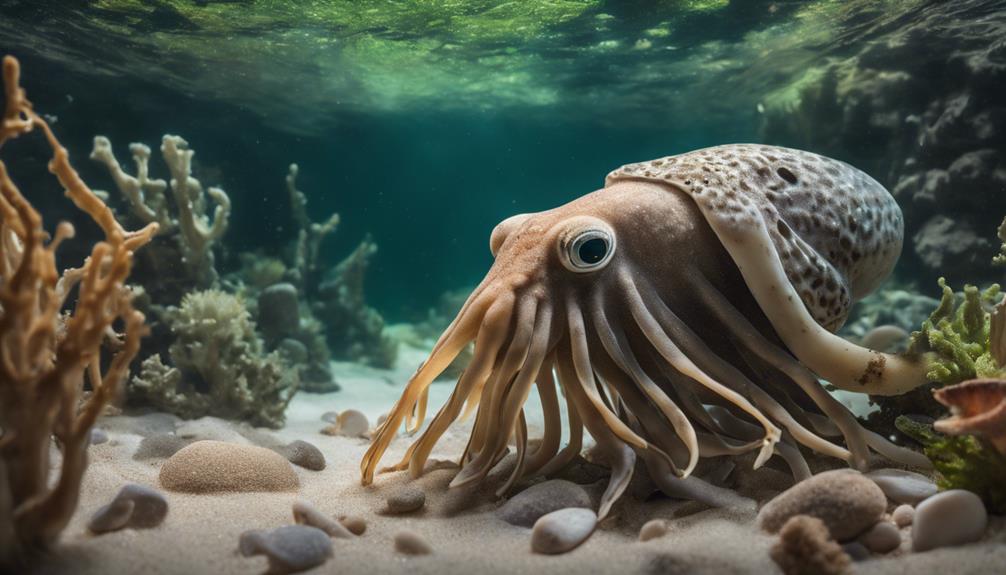
When setting up your cuttlefish aquarium, you'll need to select a substrate that can withstand the digging and burrowing behaviors of these fascinating creatures. Choosing the right substrate is vital to guarantee the health and safety of your cuttlefish. A suitable substrate should be able to withstand the constant digging and burrowing, without causing any harm to your cuttlefish.
When selecting a substrate, take into account the grain size. A fine-grained substrate, such as sand or silt, is ideal for cuttlefish. This type of substrate allows for easy digging and burrowing, while minimizing the risk of injury. Avoid using coarse-grained substrates, such as gravel or crushed coral, as they can cause harm to your cuttlefish.
Another important factor to take into consideration is color variation. Cuttlefish are skilled at camouflage, and a substrate with varied colors can help them blend in. A substrate with a mix of dark and light colors can provide your cuttlefish with an environment that mimics their natural habitat. Additionally, a substrate with varied colors can also help to create visual interest in your aquarium, making it more engaging for you and your cuttlefish.
Rock Formations for Hiding Places
Now that you've chosen the right substrate, it's time to create some hiding places for your cuttlefish. You'll want to create rock formations that provide plenty of nooks and crannies for them to hide and feel secure. By incorporating rocky outcroppings, caves, and overhangs, you'll give your cuttlefish the perfect spots to retreat to when they feel anxious or overwhelmed.
Rocky Outcroppings
You can create rocky outcroppings with artificial rocks or live rocks, providing your cuttlefish with hiding places and visual interest. These natural-looking formations will give your aquarium a unique, dynamic appearance. When designing your aquascape, consider incorporating rocky ledges that allow your cuttlefish to swim in and out, creating a sense of exploration and discovery. This will also provide them with a sense of security, as they can retreat to these hiding places when feeling stressed or threatened.
As you plan your rocky outcroppings, think about the overall aquascape design. You can create a gradual slope or a series of tiered levels, allowing your cuttlefish to navigate through the different depths and hiding spots. Be mindful of the size and shape of the rocks, ensuring they're stable and secure, and won't topple over or cause any harm to your cuttlefish. By incorporating rocky outcroppings into your aquarium design, you'll create an engaging and interesting environment that promotes your cuttlefish's natural behavior and overall well-being.
Caves and Overhangs
Incorporating cave-like structures and overhanging rocks into your aquascape provides your cuttlefish with secluded hiding places, allowing them to feel secure and relaxed in their surroundings. You're creating a sense of safety and comfort, mimicking their natural habitats. By incorporating these features, you're also encouraging your cuttlefish to exhibit natural behaviors, such as hiding, seeking shelter, and even playing.
Here are some ideas to get you started:
- Tunnel systems: Create a network of tunnels and caves using rocks, coral, or even PVC pipes.
- Overhang variations: Incorporate different types of overhangs, such as flat ledges, curved arches, or even a "table" overhang.
- Cave architecture: Design a cave with a narrow entrance and a spacious interior, or create a cave with multiple entrances and exits.
- Rock formations: Use rocks of varying shapes and sizes to create a natural-looking outcropping with hiding places and crevices.
Adding Driftwood for Complexity
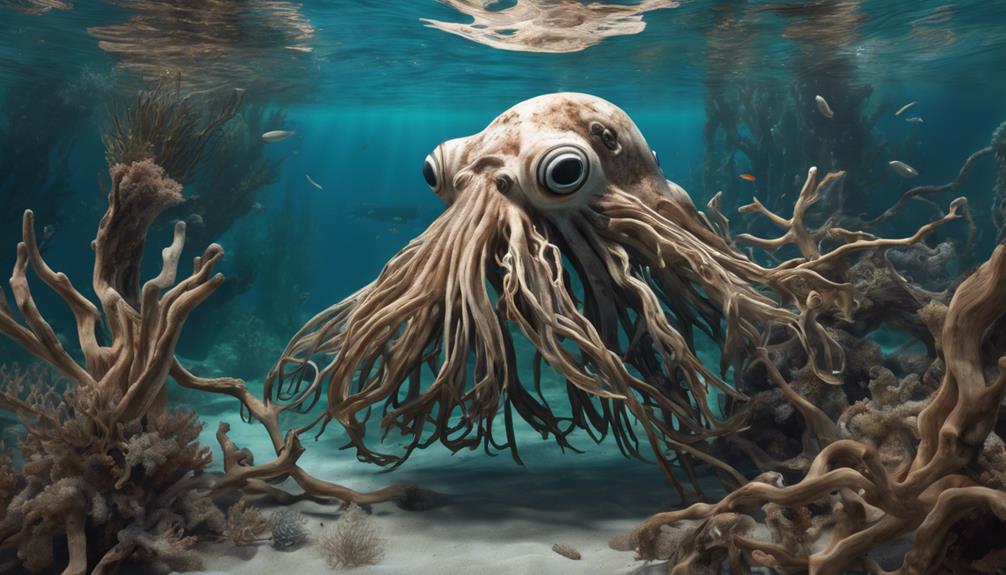
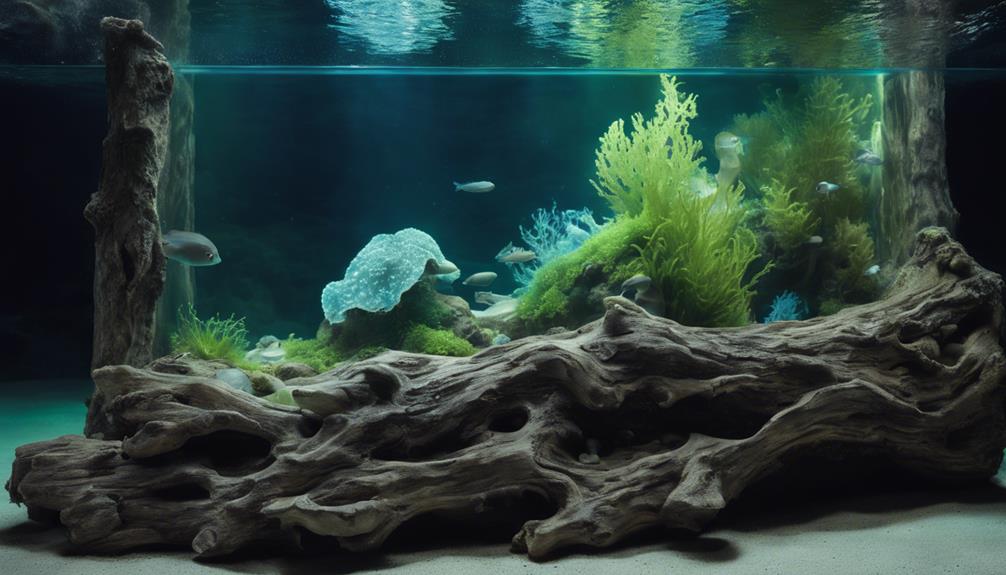
Add character to your cuttlefish aquarium by introducing driftwood, which not only creates complex hiding places but also provides a natural food source for your cuttlefish to forage on. Driftwood adds a unique, organic element to your aquatic landscape, providing a sense of naturalism and visual interest. The wooden textures and intricate shapes of driftwood create a sense of complexity, giving your cuttlefish plenty of nooks and crannies to explore.
When selecting driftwood, look for pieces with interesting shapes and textures that will add visual interest to your aquarium. You can arrange the driftwood to create a natural-looking landscape, using rocks and substrate to anchor the pieces in place. This will create a sense of depth and dimensionality, making your aquarium feel more dynamic and engaging.
As you arrange the driftwood, consider the principles of aquatic artistry. Think about the flow and balance of the arrangement, using the driftwood to create a sense of movement and energy. By incorporating driftwood into your aquarium, you'll create a unique and enthralling environment that will engage your cuttlefish and delight your senses. Just remember to boil or soak the driftwood before adding it to your aquarium to make sure it's safe for your cuttlefish. With a little creativity, you can create a stunning and naturalistic environment that will thrive with the addition of driftwood.
Selecting Live Plants for Cuttlefish
When selecting live plants for your cuttlefish aquarium, you'll want to take into account two important factors. First, you'll need to choose plants that can thrive in the same water conditions as your cuttlefish, which means selecting species that are hardy enough to withstand the aquarium's temperature and pH levels. By doing so, you'll guarantee a harmonious coexistence between your cuttlefish and their new plant friends.
Plant Hardiness Zones
You'll want to choose live plants that thrive in low-light conditions, as cuttlefish can be sensitive to intense lighting. When selecting plants, it's crucial to take into account the plant hardiness zones to make sure you're getting species that can thrive in your aquarium's environment.
To make the right choice, take into consideration the following factors:
- Climate Variations: Different plants are adapted to specific climate conditions. Make sure to select plants that can tolerate the temperature range and humidity levels in your aquarium.
- Regional Ecosystems: Plants from different regions have adapted to specific water chemistry and light conditions. Choose plants that are native to the same region as your cuttlefish or have similar water requirements.
- Lighting Requirements: As mentioned earlier, cuttlefish are sensitive to intense lighting. Opt for plants that thrive in low-light conditions or can tolerate low light levels.
- Water Parameters: Make sure the plants you choose can thrive in the water parameters of your aquarium, including pH, ammonia, and nitrite levels.
Coexistence With Cuttlefish
By selecting live plants that coexist peacefully with cuttlefish, you’re creating a thriving environment that benefits both the aquarium’s ecosystem and its inhabitants. When choosing plants, consider those that won’t be damaged by cuttlefish behavior, such as digging or burrowing. Plants like Java moss, Anacharis, and Hornwort are excellent options, as they’re hardy and can withstand gentle digging. Additionally, incorporating the best plants for cuttlefish tanks can enhance the visual appeal of the aquarium while providing shelter and hiding spots for the cuttlefish. This not only supports their natural behaviors but also helps reduce stress in these sensitive creatures. Be sure to regularly maintain the plants to ensure they thrive alongside the cuttlefish, creating a balanced and harmonious environment.
As you introduce plants, observe your cuttlefish's behavior and adjust accordingly. Cuttlefish are intelligent and social creatures that thrive on social bonding. By providing a stimulating environment, you encourage social bonding and reduce stress. Live plants help to create hiding places, reducing aggression and promoting a sense of security.
When introducing plants, start with a few and gradually add more, monitoring your cuttlefish's behavior. This gradual introduction helps to prevent stress and allows your cuttlefish to adapt to the new environment. By doing so, you create a harmonious coexistence between your cuttlefish and live plants, resulting in a thriving and healthy aquarium ecosystem.
Creating Caves and Tunnels
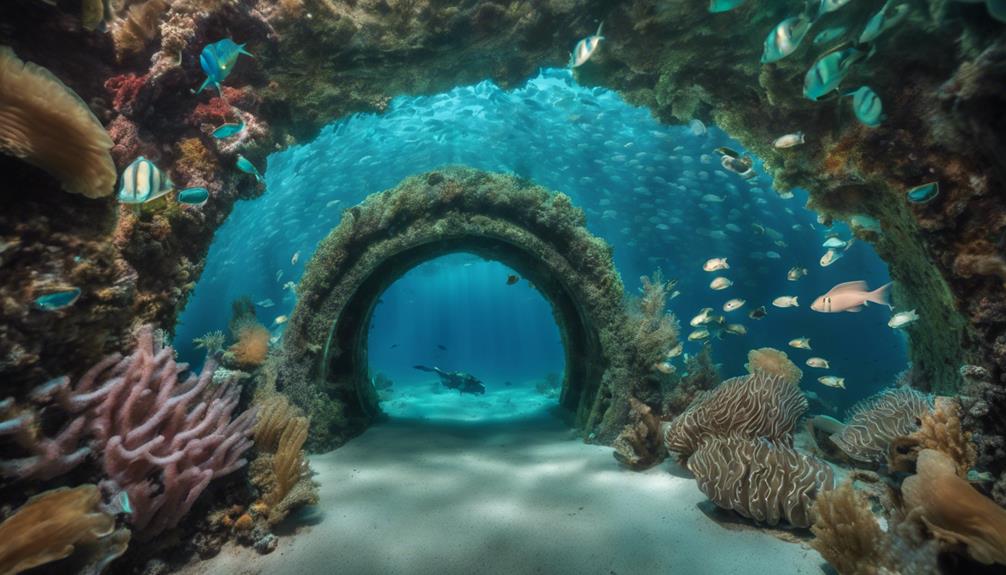
Three-dimensional caves and tunnels provide your cuttlefish with a sense of security and visual stimulation. As you design your aquarium, consider incorporating tunnel systems that mimic the natural habitats of cuttlefish. This will help your pet feel comfortable and relaxed in its environment.
Here are some essential considerations when creating caves and tunnels for your cuttlefish:
- Variety of shapes and sizes: Include a mix of narrow tunnels and spacious caves to cater to your cuttlefish's diverse needs.
- Stable structures: Guarantee that your cave architecture is sturdy and won't collapse or shift, posing a risk to your pet.
- Hidden areas: Offer hidden areas for your cuttlefish to retreat to when feeling stressed or overwhelmed.
- Visual interest: Integrate varying textures, colors, and shapes to create visual stimulation and keep your cuttlefish engaged.
Incorporating Natural Decorations
Add natural decorations that mimic the cuttlefish's native environment, such as rocks, coral, or sunken ships, to create a visually appealing and immersive experience. By incorporating these elements, you'll provide your cuttlefish with a sense of familiarity and comfort. Remember to choose decorations that are safe and durable, guaranteeing they won't cause harm or create hiding spots for your cuttlefish to get stuck.
To create a unique and enchanting display, experiment with seaweed arrangements. You can attach artificial seaweed to rocks or coral, or even create a flowing seaweed 'forest' using flexible seaweed strips. This will not only add visual interest but also provide your cuttlefish with plenty of hiding spots and exploration opportunities.
Oceanic textures can also enhance the overall ambiance of your aquarium. Consider adding decorations with rough, rocky surfaces or smooth, sandy bases to mimic the varied textures found in a natural ocean environment. This will help create a sense of depth and dimensionality, making your cuttlefish feel like they're swimming in their natural habitat.
When selecting decorations, prioritize safety above all else. Avoid using sharp or fragile materials that could harm your cuttlefish, and ensure that all decorations are securely anchored to prevent them from shifting or toppling over. By incorporating natural decorations thoughtfully, you'll create an enchanting and safe environment that your cuttlefish will thrive in.
Balancing Aesthetics and Function
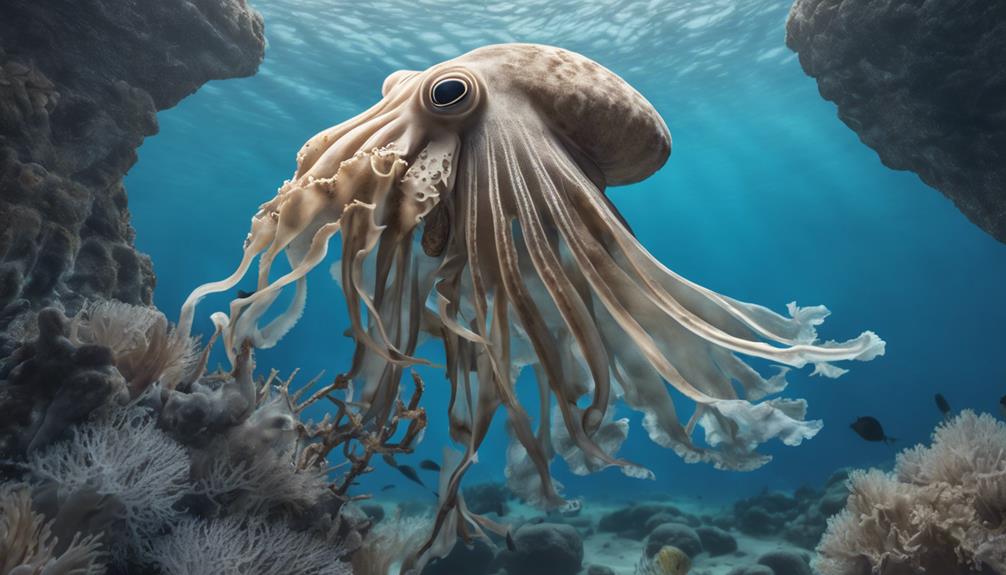
As you design your cuttlefish aquarium, strike a balance between aesthetics and function by incorporating decorations that serve multiple purposes, such as a treasure chest that doubles as a hiding spot or a sunken ship that provides exploration opportunities. This approach not only enhances the visual appeal of your aquarium but also guarantees the well-being of your cuttlefish.
To achieve a harmonious balance, consider the following design principles:
- Visual Hierarchy: Create a focal point in your aquarium, such as a statement decoration, and balance it with secondary elements that don't compete for attention.
- Scale and Proportion: Ensure that decorations are proportional to the size of your aquarium and cuttlefish, avoiding overwhelming or underwhelming the space.
- Contrast and Harmony: Combine contrasting colors, textures, and shapes to create visual interest, while maintaining a sense of harmony and cohesion.
- Functionality and Purpose: Incorporate decorations that serve multiple purposes, such as providing hiding spots, creating currents, or offering exploration opportunities, to enhance the overall experience for your cuttlefish.
Cycling Your Aquarium Naturally
By allowing beneficial bacteria to establish themselves naturally, you're creating a thriving environment for your cuttlefish to flourish in. This process, known as cycling, is vital for maintaining a healthy and balanced aquarium. When you introduce beneficial bacteria to your tank, they'll multiply and convert ammonia from waste into harmless compounds. This natural process takes time, but it's essential for creating a safe habitat for your cuttlefish.
During the cycling process, you might notice bacterial blooms, which appear as cloudy water or a white, cotton-like substance on the gravel. Don't worry; this is a critical part of the process. As the bacteria establish themselves, the blooms will dissipate, and the water will clear.
To support the cycling process, it's essential to perform regular water changes. Remove about 10-15% of the tank water weekly and replace it with fresh, dechlorinated water that's the same temperature as the tank. This helps maintain water quality and provides a stable environment for the beneficial bacteria to thrive.
Maintaining a Thriving Environment
You'll want to maintain a strict regimen of regular water changes, meticulous tank cleaning, and precise water parameter monitoring to make sure your cuttlefish aquarium remains a thriving environment. This is essential for the health and well-being of your cuttlefish, as they are sensitive creatures that require a stable and balanced environment.
To guarantee a thriving environment, keep the following essential tips in mind:
- Monitor water quality: Regularly test for ammonia, nitrite, and nitrate levels to ensure a safe and healthy environment for your cuttlefish.
- Maintain microbial balance: Ensure a balance of beneficial bacteria to maintain a healthy ecosystem and prevent the growth of harmful bacteria.
- Perform regular water changes: Replace 10-15% of the tank water weekly to remove waste products and maintain an ideal water quality.
- Clean the tank regularly: Remove debris, clean decorations, and vacuum the substrate to prevent the buildup of toxins.
Frequently Asked Questions
Can I Use Real Coral in My Cuttlefish Aquarium?
'You're considering using real coral in your aquarium, but hold on! Harvesting coral from the ocean can harm the ecosystem and contribute to coral bleaching. Coral sustainability is essential for ocean conservation. Instead, opt for artificial coral or sustainable, eco-friendly alternatives. Your cuttlefish will thrive in a safe, synthetic environment, and you'll be supporting responsible ocean stewardship. Make the responsible choice and choose fake coral – your cuttlefish and the ocean will thank you!'
How Often Should I Clean My Aquarium Decorations?
Don't you think a clean aquarium is a happy aquarium? When it comes to cleaning your decorations, you'll want to stay on top of it to prevent algae growth. Check your decorations weekly, and give them a good scrub every two weeks. Be gentle, as some decoration materials can be delicate. Remember, a clean decoration is a safe decoration for your cuttlefish.
Will My Cuttlefish Dig up the Substrate?
You're wondering if your cuttlefish will dig up the substrate. It's a valid concern! Cuttlefish are natural burrowers, and they'll likely dig into the substrate to create hiding spots or escape routes. To minimize the risk, make sure your substrate is deep enough – at least 2-3 inches – to accommodate their burrowing habits. Keep an eye on your cuttlefish's behavior, and be prepared to adjust the substrate depth or add decorations to redirect their digging.
Can I Add a Treasure Chest Decoration to My Aquarium?
'Sparkling surprises await in your underwater domain! You're wondering if a treasure chest decoration is a treasure-worthy addition to your aquarium. Absolutely, you can! Treasure themes and aquatic artifacts can add whimsy and wonder. Just make sure the decoration is cuttlefish-proof and securely weighted to prevent it from becoming a digging danger. With careful consideration, your cuttlefish can swim alongside this sunken treasure, exploring the aquatic artifacts in their new playground.'
Are LED Lights Safe for My Cuttlefish's Eyes?
You're right to wonder if LED lights are safe for your cuttlefish's eyes. The truth is, intense lighting can cause eye strain in these sensitive creatures. When choosing LED lights, opt for a spectrum that mimics natural daylight, as this will be gentler on their eyes. Avoid using high-intensity whites or blues, as these can be particularly harsh. By selecting the right light spectrum, you'll create a comfortable environment for your cuttlefish to thrive.


