
You're devoting significant time and resources to creating a thriving cuttlefish tank, and ensuring peak water quality is essential to their health and survival. To monitor water quality effectively, start by selecting accurate test kits for ammonia, nitrite, and nitrate levels. Establish a consistent testing schedule for parameters like pH, alkalinity, and water hardness. Maintain ideal water parameters, such as pH levels between 7.9 and 8.3, and keep nitrate levels below 5 ppm. Stay vigilant for signs of water quality issues and make adjustments promptly to guarantee a healthy environment for your cuttlefish. Next, learn how to identify and correct common water quality issues.
Choosing the Right Test Kits
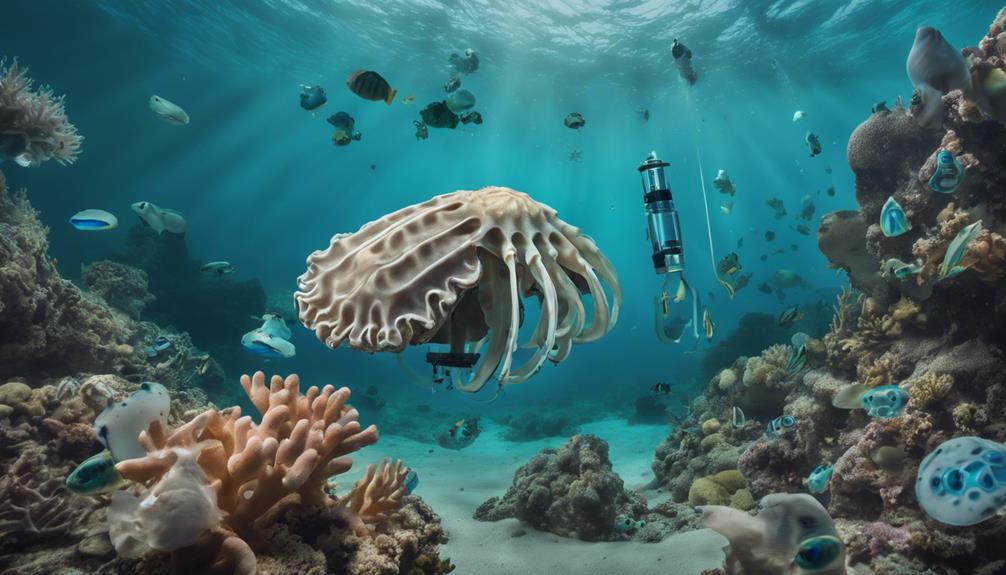
When it comes to monitoring water quality in your cuttlefish tank, selecting the right test kits is vital, as they will help you accurately measure and maintain ideal water parameters. You want to make sure the water in your tank is safe and healthy for your cuttlefish, and the right test kits are essential in achieving this.
With so many brands on the market, it can be overwhelming to choose the right one. That's why it's important to do your research and compare different brands. Look for brands that offer a wide range of test kits that can measure various water parameters, such as ammonia, nitrite, and nitrate levels. Some popular brands include API, Salifert, and Seachem. Compare their features, accuracy, and price points to find the one that best suits your needs.
Another crucial aspect to take into account is test kit calibration. Make sure the test kits you choose are calibrated regularly to ensure accurate readings. Calibration involves comparing the test kit's results with a known standard to ensure they're providing accurate measurements. This step is vital, as inaccurate readings can lead to misinformed decisions that can harm your cuttlefish. By selecting a reputable brand and calibrating your test kits regularly, you can have confidence in the accuracy of your water quality measurements, ensuring a safe and healthy environment for your cuttlefish.
Setting a Regular Testing Schedule
By establishing a regular testing schedule, you'll be able to stay on top of water quality fluctuations and catch any potential issues before they harm your cuttlefish. Vitality is key when it comes to monitoring water quality, and a regular testing schedule guarantees that you're always aware of any changes in your tank's water parameters.
Decide on a testing frequency that works for you, whether it's daily, weekly, or bi-weekly, and stick to it. The significance of consistency can't be overstated – it allows you to identify patterns and trends in your tank's water quality, and make adjustments accordingly. Record keeping is also pivotal, as it enables you to track changes over time and identify potential issues before they become major problems.
Make sure to test for a range of parameters, including ammonia, nitrite, and nitrate levels, as well as pH, alkalinity, and water hardness. Keep a log or spreadsheet to record your test results, and review it regularly to identify any trends or patterns. By doing so, you'll be able to respond quickly to any changes in your tank's water quality, ensuring a safe and healthy environment for your cuttlefish. Remember, a regular testing schedule is your first line of defense against water quality issues, so make it a priority to stay on top of it.
Identifying Optimal Water Parameters
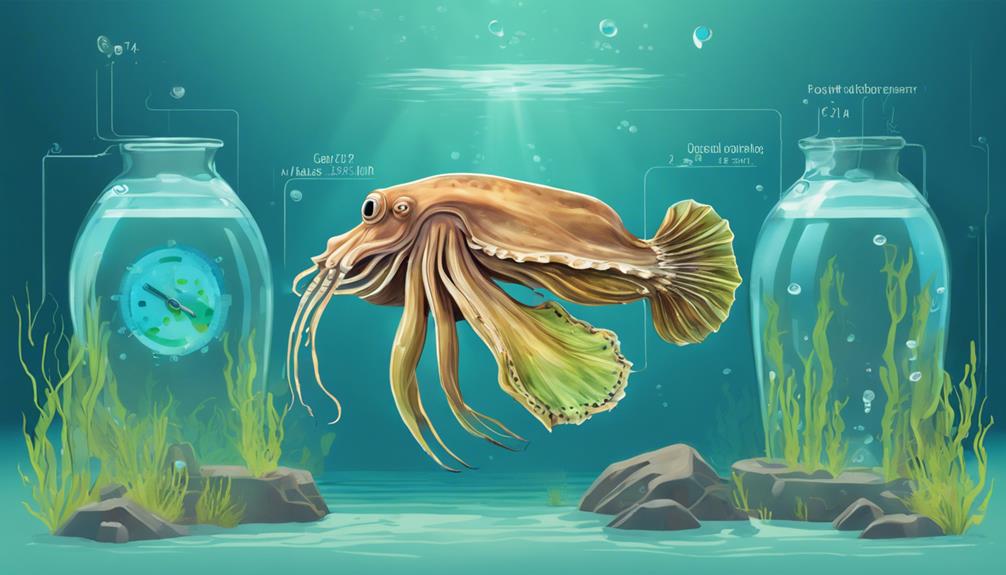
Your cuttlefish's health depends on maintaining essential water parameters, and understanding what those parameters are is important to creating a thriving environment. As a responsible aquarist, it's essential to identify the best water parameters for your cuttlefish tank to guarantee the well-being of your cephalopod friends.
To achieve this, you'll need to focus on the following key aspects:
- pH Levels: Maintain a pH range between 7.9 and 8.3 to simulate the natural environment of cuttlefish. A stable pH level is critical, as fluctuations can cause stress and even death.
- Water Clarity: Ensure the water is crystal clear by maintaining a nitrate level below 5 ppm and a phosphate level below 0.05 ppm. Regular water changes and a well-maintained filter will help achieve the best water clarity.
- Temperature: Keep the water temperature between 22°C and 25°C (72°F and 77°F), which is ideal for cuttlefish. Avoid sudden temperature changes, as they can cause stress and illness.
Managing Ammonia and Nitrite
As you set up your cuttlefish tank, you’ll need to manage ammonia and nitrite levels to keep your aquatic friends healthy. You’ll want to explore various ammonia removal methods, such as biological filtration or chemical removers, to prevent toxicity. By monitoring ammonia levels and understanding the nitrite conversion process, you’ll be well-equipped to maintain a safe and thriving environment. Additionally, incorporating natural filtration techniques for aquariums, such as live plants or beneficial bacteria, can enhance the overall health of your tank. These methods not only help in breaking down harmful substances but also create a more balanced ecosystem. Regular water testing and schedule maintenance will further ensure that your cuttlefish thrive in a clean and stable environment.
Ammonia Removal Methods
When setting up a cuttlefish tank, you'll need to implement effective ammonia removal methods to prevent toxic buildup and guarantee a healthy environment for your cephalopod friends. Ammonia is a silent killer in aquariums, and it's vital to remove it quickly to avoid harming your cuttlefish.
To make sure a safe and thriving environment, consider the following ammonia removal methods:
- Biofiltration Systems: These natural systems use beneficial bacteria to break down ammonia into harmless compounds. They're an effective and eco-friendly way to maintain a healthy tank.
- Chemical Remedies: Products containing ammonia-neutralizing agents can be added to the tank to rapidly remove ammonia. However, be cautious when using these remedies, as they can have unintended consequences if not used correctly.
- Regular Water Changes: Regularly replacing a portion of the tank water with fresh, dechlorinated water can help dilute and remove ammonia. This method is simple yet effective, especially when combined with other removal methods.
Monitoring Ammonia Levels
You'll need to regularly test for ammonia to guarantee your cuttlefish tank remains safe and healthy. Ammonia is a toxic compound that can be deadly to your cuttlefish, even in small amounts. It's important to monitor ammonia levels to prevent its buildup, which can occur from various sources such as fish waste, decaying food, and uneaten food particles.
In a cycled tank, beneficial bacteria convert ammonia into nitrite and then nitrate, making it essential to monitor ammonia levels regularly. You can use ammonia test kits, which usually come with a color chart to compare the results. A reading of 0 ppm (parts per million) indicates a safe environment for your cuttlefish.
Nitrite Conversion Process
Now that you've confirmed ammonia levels are under control, it's time to focus on the nitrite conversion process, which is essential in managing ammonia and nitrite in your cuttlefish tank. This biological pathway is a vital step in nitrogen cycling, as it breaks down harmful nitrite into harmless nitrate.
To guarantee a successful nitrite conversion process, keep the following in mind:
- Monitor nitrite levels regularly: Regular testing will help you catch any potential issues before they become major problems.
- Maintain ideal water flow: Sufficient water circulation ensures that beneficial bacteria, responsible for nitrite conversion, receive the necessary oxygen and nutrients.
- Perform regular water changes: Partial water changes help maintain a balanced environment, reducing the risk of nitrite accumulation.
Controlling Nitrate Levels Naturally

By maintaining a thriving biological cycle and incorporating nitrate-absorbing plants, you can effectively reduce nitrate levels in your cuttlefish tank without relying on chemical treatments. This approach not only fosters a healthy environment for your cuttlefish but also guarantees the overall well-being of your aquatic ecosystem.
One effective way to control nitrate levels naturally is by utilizing Live Rock. This porous, nitrate-absorbing material provides a habitat for beneficial bacteria to thrive, which in turn helps to break down excess nitrates. By incorporating Live Rock into your tank's filtration system, you can greatly diminish nitrate levels and create a more balanced environment for your cuttlefish.
Another natural method for controlling nitrate levels is by incorporating Algae Scrubbers into your tank's design. These innovative systems utilize algae to absorb excess nitrates, providing a safe and chemical-free solution for maintaining excellent water quality. By combining Algae Scrubbers with Live Rock, you can create a powerful, nitrate-reducing system that promotes a healthy and thriving environment for your cuttlefish.
Making Adjustments and Corrections
As you monitor your cuttlefish tank's water quality, you'll inevitably encounter issues that need correcting. You'll need to identify the problem quickly, whether it's a pH imbalance or another issue, and make swift corrections to prevent harm to your cuttlefish. By making gradual changes and addressing problems promptly, you'll be able to maintain a healthy environment for your cuttlefish to thrive.
Identify Water Quality Issues
You'll need to regularly test the water in your cuttlefish tank to identify any water quality issues that might be stressing your cephalopod friends. This is important because cuttlefish are sensitive creatures that thrive in stable, healthy environments. Failing to monitor water quality can lead to stress, illness, and even death.
Here are some key indicators to watch out for:
- Water Clarity: Check the water's clarity by shining a light through the tank. If the light is obscured, it may be a sign of high biological loads or algae blooms.
- Biological Loads: Monitor the biological loads in your tank by tracking ammonia, nitrite, and nitrate levels. Elevated levels can indicate an imbalance in the tank's ecosystem.
- pH and Ammonia Levels: Regularly test the pH and ammonia levels in your tank. Sudden changes can be detrimental to your cuttlefish, so it's essential to catch any issues early.
Correct Ph Imbalances Quickly
If your pH levels stray from the ideal range, make corrections quickly to prevent stressing your cuttlefish. Even slight imbalances can cause stress, which can lead to disease and other health issues. With automated monitoring, you'll receive real-time alarms when pH levels deviate from the norm, allowing you to take prompt action.
When correcting pH imbalances, it's essential to do so gradually and carefully to avoid shocking your cuttlefish. Start by identifying the cause of the imbalance and addressing it at the source. If the issue persists, you may need to make adjustments to your water change schedule or adjust your aquarium's biological load.
Make Gradual Changes Only
When making adjustments and corrections to your cuttlefish tank's water chemistry, make gradual changes only, as sudden shifts can send your cuttlefish into stress mode. You want to avoid shocking your cuttlefish, which can lead to illness or even death. Gradual changes allow your cuttlefish to adjust to the new water conditions, ensuring their health and well-being.
Here are some key considerations to keep in mind:
- Tank maturity: A mature tank with a stable biological cycle can handle changes more easily. If your tank is still cycling, it's best to wait until it's more established.
- Water stability: Make adjustments when your tank's water parameters are stable. Avoid making changes during times of fluctuation or when your cuttlefish are under stress.
- Small, incremental changes: Divide larger changes into smaller, more manageable steps. This will give your cuttlefish time to adapt and reduce the risk of stress.
Frequently Asked Questions
How Often Should I Perform Partial Water Changes?
The age-old question: how often should you perform partial water changes? It's a delicate dance, really. You don't want to disturb your cuttlefriend's home too much, but you do want to keep the water sparkling clean. The key lies in regular water testing. Aim to change 10-15% of the water every week, but be prepared to adjust the frequency based on your test results. Remember, it's always better to err on the side of caution – your cuttlefish's health depends on it.
Can I Use Human Medications to Treat Sick Cuttlefish?
Don't even think about using human medications to treat your sick cuttlefish! It's not safe for them, and it's not safe for you. Fish antibiotics are specifically designed for aquatic use, and you should only use them under veterinary guidance. Using human meds can harm your cuttlefish, and even lead to harmful bacterial resistance. Always prioritize your pet's safety and consult a vet before treating any illness.
What Is the Ideal Temperature Range for Cuttlefish?
As you begin your underwater adventure, you'll want to guarantee your cuttlefish thrive in their ideal environment. When it comes to temperature, you're the captain of their comfort zone. Cuttlefish thermoregulation relies on a narrow temperature range, between 53°F and 57°F (12°C and 14°C), to function at their best. Be mindful of temperature fluctuations, as even slight changes can cause stress. Maintain a stable temperature, and your cuttlefish will reward you with vibrant colors and a healthy appetite.
Should I Add Plants to My Cuttlefish Tank for Water Quality?
Should you add plants to your cuttlefish tank for water quality? Absolutely! You'll reap aquatic benefits like improved oxygen levels and reduced toxins. When selecting plants, choose species that thrive in low-light, high-salinity environments, like Java moss or seagrasses. These plants will help keep your tank's water quality in check, creating a safer environment for your cuttlefish.
Can I Keep Multiple Cuttlefish Together in the Same Tank?
'Be careful what you wish for' when considering tank mates for your cuttlefish. You're about to create a social hierarchy that can quickly turn cuttlefish against each other. In the wild, they're solitary hunters, and in captivity, they can become aggressive towards each other. You'll need to provide a massive tank with plenty of hiding spots and visual barriers to reduce stress. Even then, it's important to monitor their behavior closely to guarantee a safe coexistence.


