
You're about to move your cuttlefish to a new tank, and you want to guarantee a stress-free experience. Start by preparing the new tank 2-4 weeks in advance, selecting a suitable size with a secure lid. Acclimate your cuttlefish gradually to new water chemistry, monitoring water parameters closely to prevent stress and illness. Handle them with extreme care, supporting their body and securing their arms. Replicate familiar surroundings, use aromatherapy, and provide a nutritious post-move diet. By following these steps, you'll be well on your way to a smooth shift. There's more to learn about creating a stress-free move, and you're just getting started.
Prepare the New Tank in Advance
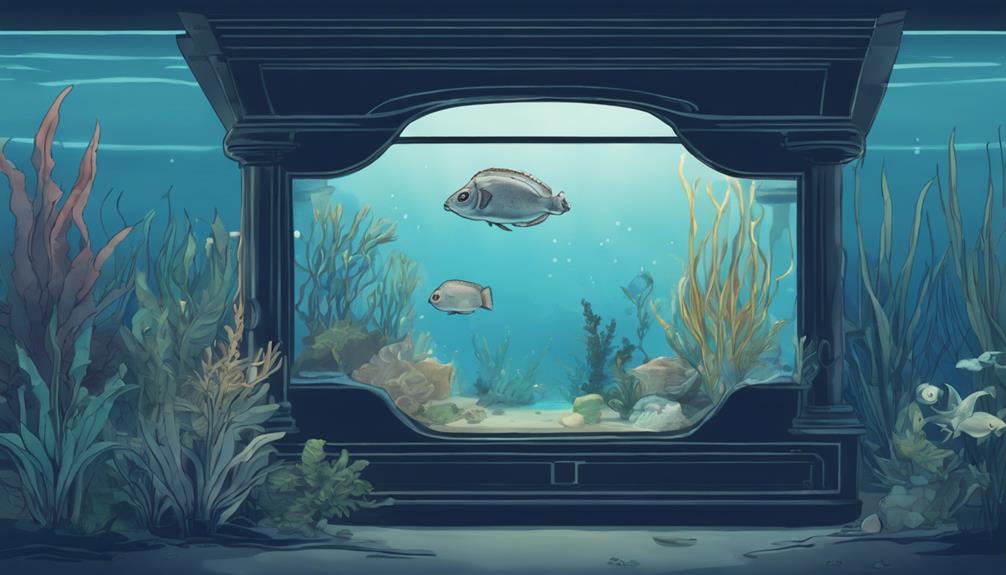
Set up your new tank at least 2-4 weeks before introducing your cuttlefish to allow the biological cycle to establish and the water parameters to stabilize. This important step guarantees a stress-free move for your cuttlefish. During this period, beneficial bacteria will colonize the tank, breaking down waste products and creating a safe environment for your cuttlefish.
When selecting a tank, consider the specific needs of your cuttlefish. They require a spacious environment with ample room to swim and change color. A larger tank with a secure lid is essential, as cuttlefish are skilled escape artists. Aim for a minimum tank size of 50 gallons, with a length of at least 24 inches to provide a stable temperature gradient.
The cycle duration is critical, as it allows the tank's ecosystem to mature. A longer cycle duration ensures a more stable environment, reducing the risk of water quality issues. Monitor your tank's water parameters closely, making adjustments as necessary to maintain ideal conditions. By taking the time to properly set up and cycle your tank, you'll create a safe haven for your cuttlefish to thrive. Remember, patience is key – rushing the process can lead to disaster. Take the time to get it right, and you'll be rewarded with a happy, healthy cuttlefish.
Acclimate Your Cuttlefish Gradually
You'll need to acclimate your cuttlefish gradually to its new environment to prevent shock and stress. This is an important step in ensuring a smooth switch for your delicate pet. Rushing the acclimation process can lead to disastrous consequences, including respiratory distress, fin damage, or even death.
To acclimate your cuttlefish, start by floating the unopened transport bag in the new tank for about 15-20 minutes. This allows the water in the bag to reach the same temperature as the tank water. Next, slowly add a small amount of tank water to the bag every 5-10 minutes, gradually increasing the amount over the next 30-45 minutes. This gradual introduction to the new water chemistry helps your cuttlefish adjust to the changes.
Monitor Water Parameters Closely

As you introduce your cuttlefish to its new environment, it's important that you closely monitor water parameters to guarantee a healthy shift. This is a critical step in ensuring your cuttlefish's well-being, as even slight changes in water conditions can cause stress and illness. To ensure a smooth shift, you should perform regular water testing and parameter checks.
Here are some essential water parameters to monitor:
- Ammonia and nitrite levels: These toxins can be deadly to your cuttlefish, so it's essential to make sure they're at zero.
- pH and alkalinity: Sudden changes in pH can be stressful, so maintain a stable pH and alkalinity level.
- Temperature: Cuttlefish are sensitive to temperature fluctuations, so ensure the water temperature remains consistent.
Maintain a Quiet Relocation Environment
To minimize stress during the relocation process, keep the environment quiet and peaceful, avoiding loud noises that might startle your cuttlefish. Remember, sudden sounds can be alarming for your pet, so it's essential to create a calming atmosphere. You can achieve this by playing soothing music in the background, which will help mask any disturbing noises and create a sense of tranquility.
In addition to minimizing noise, consider the visual aspects of the relocation environment. Use calming colors such as light blue, green, or beige to create a soothing ambiance. Avoid bright or bold colors, as they can be overwhelming for your cuttlefish. You can also add some calming elements, like a few plants or a peaceful aquarium decoration, to create a sense of serenity.
When moving your cuttlefish, try to avoid sudden movements or jerky actions, as these can be startling. Instead, move slowly and deliberately, giving your pet time to adjust to its new surroundings. By maintaining a quiet and peaceful environment, you can greatly reduce your cuttlefish's stress levels, ensuring a smooth and safe relocation.
Handle Cuttlefish With Extreme Care

When handling your cuttlefish, you'll need to master gentle grasp techniques to avoid causing them unnecessary stress. You'll want to be mindful of their sensitive body parts, which can be easily damaged if not handled with care. As you prepare to move your cuttlefish, it's essential to understand the specific handling techniques that will keep them safe and comfortable.
Gentle Grasp Techniques
You'll need to master the gentle grasp technique, which involves supporting the cuttlefish's body with one hand while using the other to secure its delicate arms. This is important to prevent injury to your cuttlefish and minimize stress during the move. Understanding cuttlefish anatomy is key to a successful grasp. Familiarize yourself with the cuttlefish's mantle, fins, and arms to guarantee a secure hold.
When grasping your cuttlefish, be aware of its natural grasp reflexes. A frightened or stressed cuttlefish may release ink or change color, making it essential to approach the grasp calmly and confidently. Here are some additional tips to keep in mind:
- Support the body: Cradle the cuttlefish's body in one hand, making sure to keep its fins and mantle secure.
- Secure the arms: Gently wrap your other hand around the cuttlefish's arms, taking care not to constrict or pinch them.
- Maintain control: Keep a firm but gentle grasp, avoiding sudden movements that may startle your cuttlefish.
Sensitive Body Parts
Cuttlefish have several sensitive body parts that require extreme care when handling, including their eyes, which are highly sensitive to light and touch. You'll want to make sure you provide adequate eye protection when handling your cuttlefish to prevent any potential irritation or injury. When holding your cuttlefish, be sure to gently support its body and avoid applying pressure on its eyes.
In addition to eye protection, fin care is also important. Cuttlefish have delicate fins that can be easily damaged if handled roughly. When handling your cuttlefish, be mindful of its fins and avoid touching or grasping them, as this can cause stress and injury. Instead, support the body of your cuttlefish, allowing its fins to move freely. By taking these precautions, you can ensure a safe and stress-free move for your cuttlefish. Remember, gentle handling and careful attention to sensitive body parts are key to a successful relocation.
Minimize Changes in Water Quality
When moving your cuttlefish, you'll want to maintain the water quality to prevent stress. You'll need to monitor water parameters closely to identify any fluctuations that could affect your cuttlefish's health. By maintaining stable pH levels and implementing a gradual acclimation process, you can minimize changes in water quality and create a smooth shift for your cuttlefish.
Water Parameter Monitoring
By regularly testing the water's pH, ammonia, nitrite, and nitrate levels, you can detect even slight changes in water quality and make adjustments to prevent sudden shifts that could stress your cuttlefish. Consistent water testing is essential to guaranteeing your cuttlefish's well-being during the move.
To maintain ideal water quality, you should test for the following parameters:
- pH: Make sure it remains between 7.9 and 8.4, as cuttlefish are sensitive to pH fluctuations.
- Ammonia: Monitor for any presence of ammonia, as it's toxic to cuttlefish; the ideal range is 0 ppm.
- Nitrite and Nitrate: Keep nitrite levels at 0 ppm and nitrate levels below 20 ppm to prevent stress and disease.
Stable Ph Levels Maintained
To guarantee your cuttlefish's stress-free relocation, you must maintain a stable pH level, as sudden changes can be detrimental to their health. pH fluctuations can be caused by various factors, including changes in water temperature, incorrect water chemistry, or inadequate aquarium water testing. Even slight pH changes can cause stress, making your cuttlefish more susceptible to illness or injury during the move.
To prevent pH fluctuations, it's important to monitor your aquarium's water parameters regularly. Conduct regular water tests to ensure the pH levels remain within the best range for your cuttlefish. This will help you identify any potential issues before they become severe problems. By maintaining a stable pH level, you'll reduce the risk of stress and ensure a safe, healthy environment for your cuttlefish during the relocation process. Remember, a stable pH level is essential for a stress-free move, so prioritize regular water testing and monitoring to guarantee your cuttlefish's well-being.
Gradual Acclimation Process
You should introduce your cuttlefish to its new environment through a gradual acclimation process, which minimizes changes in water quality and reduces stress. This process allows your cuttlefish to adjust to the new water conditions slowly, reducing the risk of shock or illness. A gradual acclimation process involves slowly introducing your cuttlefish to the new water, mixing the old and new water in a specific ratio.
Here are some guidelines to follow for a successful acclimation process:
- Acclimation duration: The entire process should take around 30-60 minutes, depending on the sensitivity of your cuttlefish and the difference in water quality.
- Acclimation timing: Start the acclimation process during a time when your cuttlefish is most active, usually during the day or early evening.
- Monitor and adjust: Continuously monitor your cuttlefish's behavior and adjust the acclimation process as needed. If you notice any signs of stress, slow down the process or seek advice from a veterinarian.
Provide a Familiar Environment
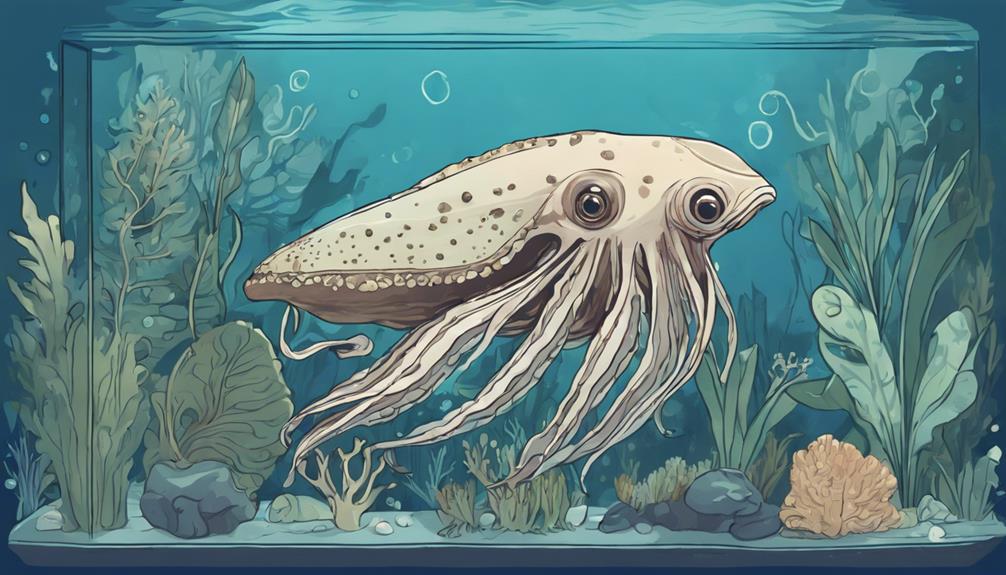
How do you plan to recreate the comforting surroundings your cuttlefish is accustomed to in its new environment? Providing a familiar environment is vital in reducing stress and anxiety during the relocation process. You can start by replicating the tank layout of your cuttlefish's current home. Arrange the rocks, plants, and decorative elements in a similar pattern to create a sense of continuity. This will help your cuttlefish recognize its new surroundings and feel more at ease.
Pay attention to the size, shape, and color of the decorative elements, as these can greatly impact your cuttlefish’s sense of familiarity. For instance, if your cuttlefish is used to swimming through a particular type of tunnel or playing with a specific toy, make sure to include similar items in its new environment. The tank layout should also take into account your cuttlefish’s natural behavior, such as its tendency to burrow or climb. Additionally, incorporating hiding spots and surfaces that encourage climbing can enhance your cuttlefish’s overall comfort and reduce stress. By observing and understanding cuttlefish interaction patterns, you can tailor the environment to better suit their needs, promoting healthier behavior and well-being. Remember that even subtle changes in the habitat can influence how your cuttlefish explores and interacts with its surroundings.
Reduce Stress With Aromatherapy
Several studies have demonstrated the calming effects of certain scents on cuttlefish, which can be leveraged to reduce stress during the relocation process. As you prepare to move your cuttlefish, consider incorporating aromatherapy into your strategy to guarantee a smooth shift.
You can use essential oils to create a calming atmosphere for your cuttlefish. Here are some tips to get you started:
- Lavender Oil: Known for its calming effects, lavender oil can help reduce anxiety and promote relaxation in cuttlefish.
- Bergamot Oil: With its citrusy scent, bergamot oil has been shown to have a calming effect on cuttlefish, reducing stress and anxiety.
- Ylang-Ylang Oil: This sweet, floral scent has a calming effect on cuttlefish, promoting relaxation and reducing stress.
When using essential oils, be sure to dilute them with water according to the manufacturer's instructions, and use a diffuser or add them to the water in your cuttlefish's tank. Always prioritize your cuttlefish's safety, and consult with a veterinarian if you have any concerns.
Monitor for Signs of Stress
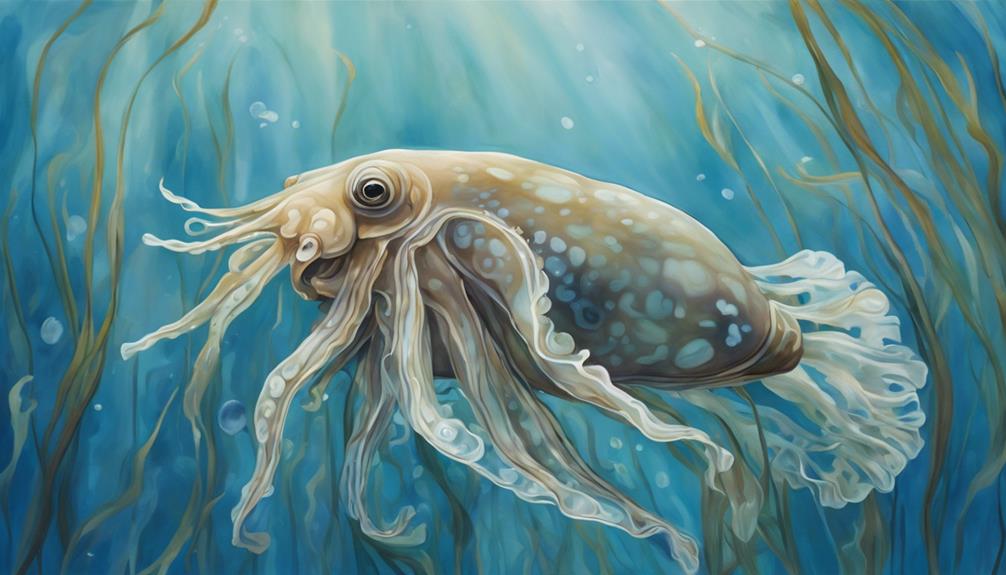
During the relocation process, your cuttlefish will likely exhibit subtle signs of stress, and it's important to recognize these indicators to provide timely interventions. As you monitor your cuttlefish's behavior, keep an eye out for behavioral changes, such as erratic swimming patterns or unusual hiding habits. These changes can be indicative of stress and anxiety.
Another key indicator of stress is color shifts. Cuttlefish are masters of camouflage, but when they're feeling stressed, they may display brighter, more vibrant colors or rapid color changes. If you notice your cuttlefish exhibiting unusual color patterns, it may be a sign that they're feeling anxious or stressed.
Fin condition is also a crucial indicator of your cuttlefish's stress levels. If their fins appear limp, torn, or damaged, it could be a sign that they're experiencing stress or discomfort. Make sure to inspect your cuttlefish's fins regularly during the relocation process to catch any potential issues early on.
Provide a Nutritious Post-Move Diet
After relocating your cuttlefish to their new environment, you'll want to fuel their recovery with a nutrient-rich diet that helps facilitate the adjustment process after the move. A well-planned diet can make a significant difference in your cuttlefish's adaptation to their new surroundings.
To support a smooth adjustment, focus on providing a varied and nutrient-dense diet that includes:
- Live foods: Incorporate live foods like brine shrimp, mysis shrimp, or plankton to provide essential fatty acids, vitamins, and minerals. Live foods are an excellent way to stimulate your cuttlefish's natural hunting behavior, reducing stress and promoting a sense of comfort in their new environment.
- Enriched pellets: Offer enriched pellets specifically formulated for cephalopods, which provide a balanced mix of protein, carbohydrates, and fiber. These pellets are designed to support your cuttlefish's overall health and well-being.
- Frozen and thawed foods: Supplement your cuttlefish's diet with frozen and thawed foods like squid, krill, or fish flesh. These foods provide a concentrated source of protein and omega-3 fatty acids, helping to support your cuttlefish's growth and recovery.
Frequently Asked Questions
Can I Move My Cuttlefish During the Day or Night?
Oh, the thrill of moving your cuttlefish! You're wise to wonder when to do it. Honestly, daytime is the way to go! It's a million times less stressful for your cephalopod friend. Daytime calming vibes will soothe their sensitive souls. Plus, it's easier for them to get familiar with their new tank surroundings in the daytime. Trust us, you'll both breathe easier with a daytime move.
How Long Does It Take for Cuttlefish to Adjust to a New Tank?
When introducing your cuttlefish to a new tank, you'll want to allow time for tank acclimation. It typically takes 2-4 weeks for your cuttlefish to fully adjust. Monitor water quality closely during this period, as sudden changes can be stressful. You'll know your cuttlefish has adjusted when it's actively swimming and eating. Be patient, and remember, a gradual adaptation is key to a safe and healthy environment for your cuttlefish.
Can I Use a Fish Net to Transfer My Cuttlefish?
When transferring your cuttlefish, avoid using a fish net, as it can cause injuries and stress. The net's mesh can trap or even remove their delicate skin, leading to harm. Instead, opt for Net Safety by using a soft, gentle scoop or a container to transfer them. Net Alternatives like these prioritize your cuttlefish's well-being, ensuring a safe and stress-free relocation. You'll be glad you did!
Will My Cuttlefish Recognize Me After the Move?
As you stand at the threshold of your new aquatic haven, the soft glow of the tank lights casting an ethereal ambiance, you wonder: will your cuttlefish recall your familiar face? Rest assured, your cephalopod friend's remarkable memory recall will kick in, triggered by the familiar scent of your hands and the gentle ripples of the water. With a little patience, your cuttlefish will recognize and respond to your presence, easing into their new surroundings alongside you.
What if I Notice My Cuttlefish Inking During the Move?
If you notice your cuttlefish inking during the move, stay calm! This is a common stress signal, and it's essential to act quickly. Ink clouds can cloud the water, making it difficult for your cuttlefish to breathe. Gently scoop up your pet in a separate container filled with water from the original tank. This will help reduce stress and prevent the ink from spreading.


