
You'll need a mix of specialized tools to keep your cuttlefish thriving. Start with water quality monitoring essentials like pH meters and reliable test kits to track ammonia, nitrite, and nitrate levels. Add algae control tools like scrubbers and magnetic cleaners to keep your tank clean. Don't forget substrate and decor cleaning tools, as well as pumps and circulation systems that mimic natural ocean currents. With automatic feeders, nutrient control systems, and lighting that mimics the natural day-night cycle, you'll be well on your way to creating a healthy environment for your cuttlefish. Now, take the next step in perfecting your tank's ecosystem.
Water Quality Monitoring Essentials
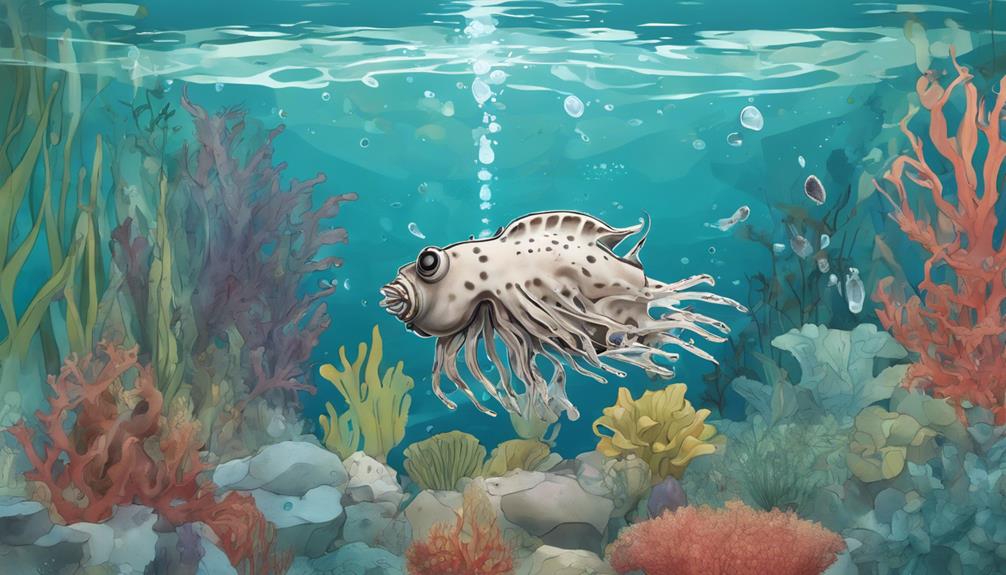
You'll need to regularly test for ammonia, nitrite, and nitrate levels to make sure your cuttlefish tank's water quality remains safe and healthy. Failing to do so can lead to disastrous consequences, including the death of your cuttlefish. To guarantee accurate readings, invest in a reliable water test kit that includes pH, ammonia, nitrite, and nitrate tests.
When choosing a pH meter, prioritize sensor accuracy and pH calibration. A well-calibrated pH meter ensures precise readings, which are essential in maintaining a stable environment for your cuttlefish. Look for a meter with automatic temperature compensation and a durable sensor that can withstand frequent use.
In addition to pH, ammonia, nitrite, and nitrate levels, you should also monitor water temperature, hardness, and alkalinity. Regular water changes are vital in maintaining excellent water quality. Aim to replace 10-15% of the tank water weekly to prevent the buildup of toxins.
Algae Control and Removal Tools
Managing algae growth is crucial in a cuttlefish tank, as excessive algae can deprive your cuttlefish of oxygen and create an unstable environment. As a responsible aquarist, you need to stay on top of algae control to guarantee your cuttlefish thrive.
To keep your tank clean and algae-free, you'll need the right tools. Algae scrubbers are a must-have for any cuttlefish tank. These handy devices use a combination of mechanical and biological methods to remove algae from your tank's glass walls. By using an algae scrubber, you'll reduce the risk of algae overgrowth and keep your tank looking its best.
Another essential tool in your algae-fighting arsenal is a magnetic cleaner. These powerful magnets allow you to remove algae and debris from your tank's glass walls without getting your hands wet. Magnetic cleaners are especially useful for larger tanks, where manual cleaning can be a real challenge.
When choosing algae control and removal tools, prioritize safety and effectiveness. Look for products specifically designed for use in aquariums, and follow the manufacturer's instructions carefully. By investing in the right tools, you'll be able to keep your cuttlefish tank clean, healthy, and thriving. Remember, a well-maintained tank is essential for the health and happiness of your cuttlefish.
Substrate and Decor Cleaning

Regularly cleaning your substrate and decorations is crucial for maintaining a healthy environment for your cuttlefish, as built-up debris and waste can lead to toxic ammonia and nitrite spikes. You'll want to dedicate time each week to keeping your tank's substrate and decorations clean to guarantee the well-being of your cuttlefish.
When it comes to substrate cleaning, you'll need a reliable substrate sifter to remove debris and waste. This tool allows you to gently sift through the substrate, removing any built-up waste and uneaten food. By doing so, you'll prevent the buildup of toxins that can harm your cuttlefish.
Decorations also require regular cleaning to prevent the growth of algae and bacteria. A good decor disinfecting tool will help you keep your decorations clean and free of harmful microorganisms. You can use a gentle disinfectant specifically designed for aquarium use to wipe down your decorations, making sure to rinse them thoroughly before returning them to the tank.
Water Circulation and Pumps
Proper water circulation is essential for maintaining a healthy environment for your cuttlefish, as it helps to distribute oxygen and nutrients throughout the tank. Without adequate circulation, your cuttlefish may suffer from poor water quality, leading to stress, illness, and even death. That's why you need a reliable pump to make sure your tank's water is constantly moving.
When selecting a pump, take into account the pump efficiency, as it directly impacts the energy consumption and overall performance. Look for pumps with high efficiency ratings to save energy and reduce your carbon footprint. You'll also want to think about the type of pump that suits your tank's specific needs. For instance, submersible pumps are great for smaller tanks, while external pumps are better suited for larger tanks.
Current patterns are also vital in creating a healthy environment for your cuttlefish. You want to create gentle, random currents that mimic the natural ocean currents. This will encourage your cuttlefish to swim and exercise, promoting overall health and well-being. Avoid strong, direct currents that can stress your cuttlefish. Instead, aim for a gentle, wave-like motion that distributes water evenly throughout the tank. By prioritizing water circulation and pump efficiency, you'll create a safe and thriving environment for your cuttlefish to flourish.
Cuttlefish Safe Water Testing
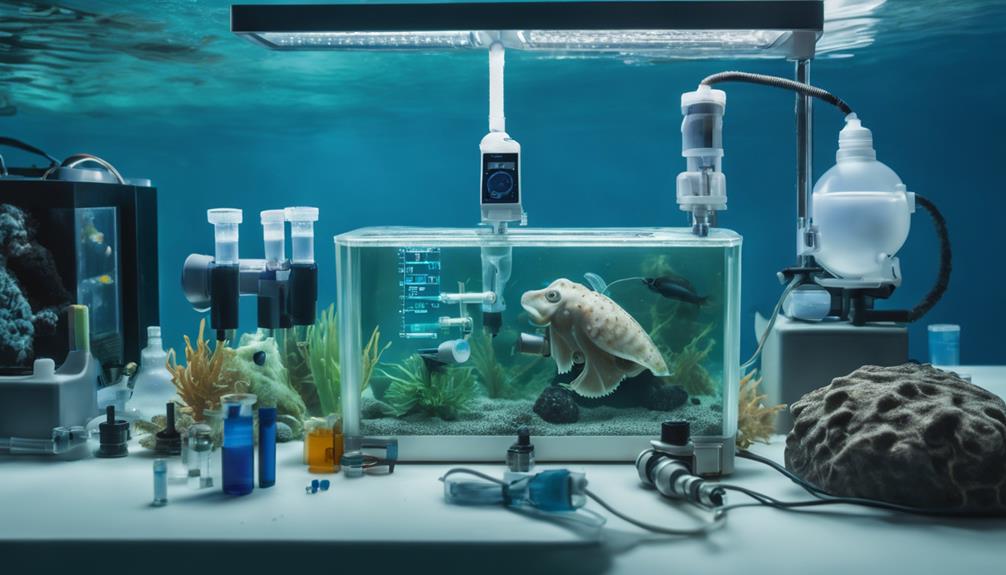
As you monitor your cuttlefish tank, you need to test the water regularly to guarantee it remains a safe haven for your cephalopod friends. You can't afford to compromise their health, and regular water testing is essential to make sure the water parameters are within the acceptable range. A slight deviation can be harmful to your cuttlefish, so it's important to stay on top of water testing.
One of the critical parameters you need to monitor is pH levels. You'll need a reliable pH testing kit that provides accurate readings. Calibration is necessary to make sure the test kit is providing accurate results. You can't rely on guesswork when it comes to pH levels, as even a slight fluctuation can be disastrous. Invest in a high-quality pH testing kit that's specifically designed for saltwater aquariums.
Another important parameter you need to track is ammonia levels. Ammonia tracking is essential, as even a slight increase can be toxic to your cuttlefish. You'll need an ammonia test kit that provides accurate readings, and you should test for ammonia levels regularly. Remember, it's always better to err on the side of caution when it comes to your cuttlefish's health. By regularly testing the water and staying on top of pH calibration and ammonia tracking, you'll be able to create a safe and healthy environment for your cephalopod friends to thrive.
Tank Cleaning and Maintenance
As you take on the task of tank cleaning and maintenance, you’ll want to prioritize two essential tasks to keep your cuttlefish’s home spick and span. You’ll need to perform daily water changes to prevent the buildup of toxins and maintain ideal water quality. By also incorporating regular gravel vacuuming into your routine, you’ll be able to remove debris and waste that can harm your cuttlefish. Additionally, monitoring the water parameters such as pH, salinity, and temperature is crucial for the well-being of your cuttlefish. It’s also important to ensure that the decorations and equipment in the tank are clean and free from algae, as this will contribute to a healthier environment. For more effective maintenance, consider following these cuttlefish tank care tips to promote a thriving habitat for your aquatic companion.
Daily Water Changes
You'll need to commit to daily water changes to maintain peak water quality and prevent the buildup of toxins in your cuttlefish tank. This essential step guarantees your cuttlefish stay healthy and thrive in their environment.
To make daily water changes a breeze, remember the following guidelines:
- Water volume: Replace 10-15% of the tank's total water volume daily to maintain peak water quality.
- Change frequency: Perform daily water changes to prevent the accumulation of toxins and maintain an ideal environment.
- Water quality monitoring: Regularly test the water for ammonia, nitrite, and nitrate levels to ensure the water changes are effective.
- Gravel disturbance: Avoid disturbing the gravel substrate during water changes to prevent stirring up debris and toxins.
Regular Gravel Vacuuming
Regular gravel vacuuming is essential to remove debris and waste that can accumulate in the substrate, posing a significant threat to your cuttlefish's health. This process involves using a gravel vacuum to remove dirt and waste from the substrate, preventing it from circulating back into the water column.
When to Vacuum Your Gravel
| Frequency | Reason |
|---|---|
| Daily | High-traffic areas or after feeding |
| 2-3 times a week | Average maintenance |
| Weekly | Light maintenance |
| Bi-weekly | Low-traffic tanks or well-established tanks |
Gravel agitation is an important step in the vacuuming process. It helps to loosen debris and waste, making it easier to remove. You can use a gravel rake or a specialized tool to agitate the gravel. Remember to vacuum slowly and gently to avoid stirring up too much debris.
The frequency of vacuuming depends on the size and type of your tank, as well as the number of cuttlefish you have. As a general rule, it's better to err on the side of caution and vacuum more frequently to safeguard the health and safety of your cuttlefish.
Lighting and Photoperiod Management
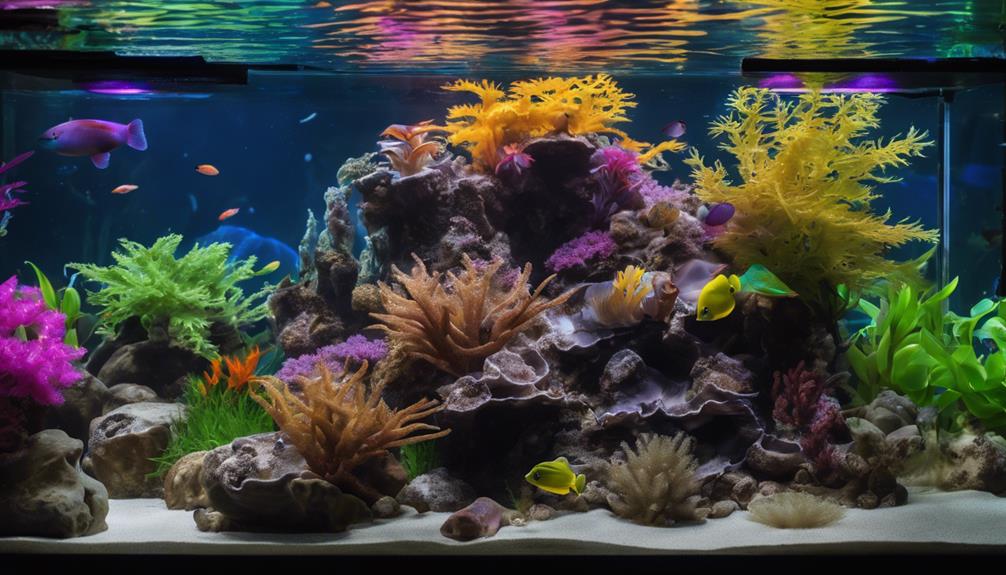
Set up a lighting schedule that mimics the natural day-night cycle to promote your cuttlefish's overall health and well-being. A well-planned lighting regime will help regulate your cuttlefish's circadian rhythms, reducing stress and encouraging natural behavior.
To achieve this, consider the following essential lighting considerations:
- Spectral variation: Provide a mix of LED lights with different color temperatures to simulate the natural spectrum of sunlight, which varies throughout the day. This will help your cuttlefish adapt to the changing light conditions.
- Color temperature: Use a combination of cool white (5000-7000K) and warm white (3000-5000K) LEDs to create a natural day-night cycle. Cool white LEDs simulate daylight, while warm white LEDs mimic the softer, warmer tones of dawn and dusk.
- Light intensity: Gradually increase or decrease light intensity to simulate the natural sunrise and sunset. This will help your cuttlefish adjust to the changing light conditions.
- Photoperiod management: Program your lighting schedule to mimic the natural day-night cycle, with 10-12 hours of light and 12-14 hours of darkness. This will help regulate your cuttlefish's internal clock and promote a healthy sleep-wake cycle.
Nutrient Control and Export
Guaranteeing nutrient control and export strategies are essential in maintaining a balanced and thriving cuttlefish tank ecosystem, as excess nutrients can lead to water quality issues and harm your cuttlefish. You'll want to make certain you're removing waste products efficiently to prevent the buildup of toxic compounds. One effective way to do this is by promoting the growth of denitrifying bacteria in your tank. These beneficial microbes convert nitrate into harmless nitrogen gas, reducing the risk of algae blooms and maintaining a healthy environment for your cuttlefish.
To support the growth of denitrifying bacteria, you'll need to provide a suitable food source, such as carbon-rich compounds. A controlled carbon dosage can stimulate the growth of these microbes, allowing them to thrive and efficiently remove excess nutrients from the water. This will not only improve water quality but also reduce the need for frequent water changes.
Automatic Feeders and Dispensers
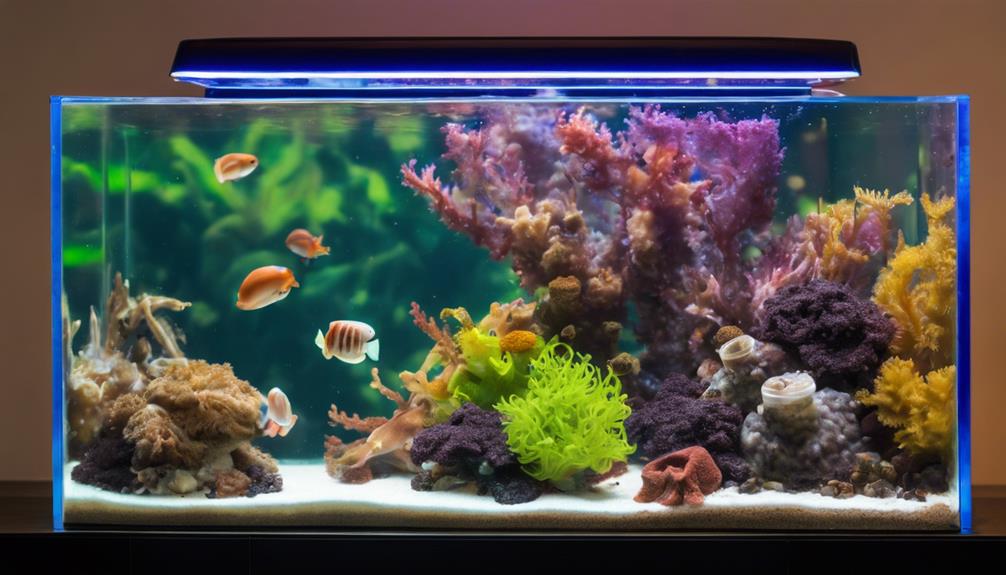
As you work to maintain a balanced ecosystem, you can also automate feeding schedules with automatic feeders and dispensers, guaranteeing your cuttlefish receive consistent nutrition even when you're not present. This is vital, as cuttlefish have specific dietary needs that require precise food timing to thrive. With automatic feeders and dispensers, you can program the exact amount of food to be released at set intervals, eliminating the risk of overfeeding or underfeeding.
When choosing an automatic feeder or dispenser, consider the following key features:
- Programmable feeding schedules: Guarantee the device allows you to customize feeding times and amounts to suit your cuttlefish's needs.
- Adjustable portion control: Select a feeder that can be set to dispense the exact amount of food required, preventing waste and maintaining water quality.
- Feeder placement flexibility: Opt for a device that can be easily attached to the tank or placed at a safe distance to prevent your cuttlefish from tampering with it.
- Battery backup and alert systems: Choose a feeder with a battery backup in case of power outages and an alert system that notifies you of any issues or malfunctions.
Frequently Asked Questions
Can I Use a Magnet Cleaner With a Cuttlefish Tank?
You're wondering if you can use a magnet cleaner with your cuttlefish tank. While magnet cleaners are great for removing algae buildup, they might not be the best choice for your cuttlefish. Magnetic forces can be strong, and you don't want to risk disturbing your cuttlefish or even trapping them against the glass. Opt for a gentle, cuttlefish-safe cleaning method to keep your tank clean and your cephalopod friends happy and healthy.
How Often Should I Replace My Cuttlefish Tank's Filter Media?
As you gaze into the crystal-clear waters of your cuttlefish tank, remember that a well-maintained filter is the unsung hero keeping your cephalopod friends thriving. You're wise to wonder how often to replace the filter media. Aim to swap it out every 4-6 weeks to maintain peak Filter Efficiency and prevent Media Quality from dwindling. By doing so, you'll safeguard your cuttlefish's health and the tank's stability, guaranteeing a harmonious underwater world.
Are UV Sterilizers Safe for Cuttlefish?
When considering UV sterilizers for your cuttlefish tank, you're right to wonder if they're safe. The effectiveness of UV light in controlling bacteria and algae is undeniable, but it can also harm your cuttlefish. Direct exposure to UV radiation can cause damage, so it's essential to use a sterilizer with a protective shield or consider alternatives like ozone generators or high-quality mechanical filters that guarantee your cuttlefish's safety.
Can I Use a Powerhead to Increase Water Circulation?
You're exploring the waters of cuttlefish care, and wondering if a powerhead can boost water circulation. Think of your tank as a dynamic dance floor, where water flow patterns need to swirl and twirl to keep your cuttlefish happy. A powerhead can be a great partner, but placement is key. You'll want to strategically position it to create gentle, chaotic currents, ensuring your cuttlefish don't get caught in a whirlpool. Opt for pump placement options that promote harmony, not havoc.
Do Cuttlefish Need a Specific Type of Tank Lid or Cover?
When establishing a cuttlefish tank, you'll want to make sure the lid or cover is secure to prevent escape artists from making a break for it! Look for a lid made from a sturdy material, like acrylic or polycarbonate, that can withstand curious cuttlefish. The lid's design should prioritize escape prevention, with a snug fit and secure fastening system to keep your cephalopod friends safe and contained.


