
You’ll need to create a delicate balance of environment, diet, and tankmates to guarantee a peaceful coexistence in your cuttlefish tank. Start by setting up a spacious tank with hiding places, mimicking their natural habitat, and maintaining a stable temperature. Offer nutrient-rich foods, feeding 2-3 times a day, and provide protein-rich snacks to curb aggression. Choose calm tankmates like gobies or shrimp, introducing them slowly. Establish clear territories with hiding places, avoiding visual threats. By following these steps, you’ll be well on your way to creating harmony in your tank – and there’s more to explore to ensure long-term success. Additionally, regular water quality checks are essential to avoid fluctuations that could stress your cuttlefish. Implementing a gentle filtration system can help maintain a clean environment while ensuring cuttlefish comfort and safety. Monitor their behavior closely and be prepared to adjust tank setups as needed, always prioritizing their well-being in your aquatic ecosystem.
Creating a Suitable Environment
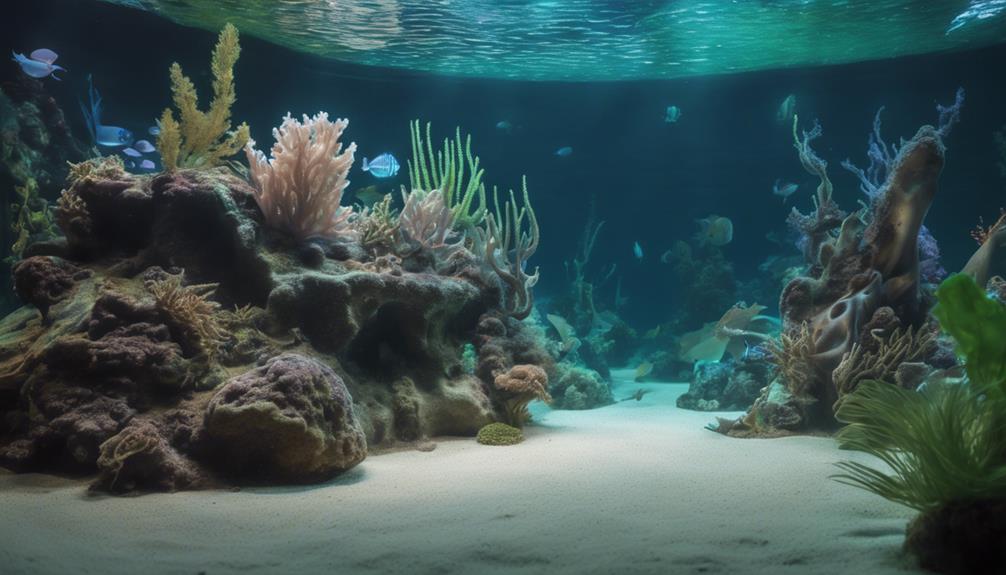
Set up a spacious, species-specific tank that mimics the cuttlefish's natural habitat, with plenty of hiding places, open swimming areas, and a temperature range of 50-65°F (10-18°C). This will help reduce stress and promote a sense of security for your cuttlefish. When it comes to substrate options, opt for a sandy or fine-grained substrate that won't cause damage to your cuttlefish's delicate skin. Avoid using gravel or coarse substrates that can cause injuries.
When arranging the decor, prioritize a natural-looking arrangement that includes rocks, coral, and other hiding places. Cuttlefish are naturally curious and love to explore, so make sure to include a variety of nooks and crannies for them to discover. Avoid overcrowding the tank, as this can lead to stress and aggression. Instead, create a sense of openness and flow by leaving ample swimming space between decorations.
Managing Diet and Nutrition
As you work to create a harmonious cuttlefish tank, you'll need to focus on managing diet and nutrition to guarantee your cuttlefish thrive. You'll want to provide nutrient-rich food sources that cater to their unique needs, and offer protein-rich snacking options to keep them satisfied. By prioritizing balanced meal planning, you'll be able to give your cuttlefish the nutrition they need to flourish.
Nutrient-Rich Food Sources
You'll want to offer your cuttlefish a varied diet that includes nutrient-rich foods like live or frozen brine shrimp, mysis shrimp, and squid to make sure they're getting the nutrients they need to thrive. A well-balanced diet is important for maintaining their overall health and preventing aggressive behavior.
Here's a breakdown of some nutrient-rich food sources you can offer your cuttlefish:
| Food Source | Nutrient-Rich Benefits | Feeding Frequency |
|---|---|---|
| Live Brine Shrimp | High in protein, calcium, and omega-3 fatty acids | 2-3 times a week |
| Frozen Plankton | Rich in vitamin B12, omega-3 fatty acids, and antioxidants | Daily, in small amounts |
| Mysis Shrimp | High in protein, calcium, and omega-3 fatty acids | 2-3 times a week |
| Squid | Rich in protein, omega-3 fatty acids, and antioxidants | 1-2 times a week |
| Frozen Krill | High in protein, omega-3 fatty acids, and antioxidants | 1-2 times a week |
Remember to vary their diet to make sure they're receiving a broad range of nutrients. Aim to feed them 2-3 times a day, only as much as they can consume within a few minutes. Overfeeding can lead to water quality issues and aggressive behavior.
Protein-Rich Snacking Options
Here's the output for the CURRENT SUBTOPIC 'Protein-Rich Snacking Options':
In addition to their main meals, providing protein-rich snacks can help curb aggressive behavior and keep your cuttlefish satisfied between meals. This is especially important in a multi-species tank, where competition for food can lead to stress and conflict. As a responsible aquarist, you can offer your cuttlefish a variety of snacks to keep them happy and full. Live Brine shrimp, for instance, are an excellent option. These tiny crustaceans are packed with protein and can be fed live to your cuttlefish. Another great option is Frozen Plankton, which can be thawed and fed as a nutritious snack. When choosing snacks, make sure to select options that are nutrient-dense and easy to digest. Avoid overfeeding, as this can lead to water quality issues and other problems. By providing protein-rich snacks, you can help create a peaceful coexistence in your cuttlefish tank.
Balanced Meal Planning
Every cuttlefish meal should be a meticulously crafted blend of essential nutrients, vitamins, and minerals to support peak health and behavior. As you plan your cuttlefish's meals, it's vital to guarantee a balanced diet that meets their nutritional needs. To achieve this, you'll need to establish a routine and track your cuttlefish's food intake.
Start by keeping a Food Diary to record your cuttlefish's meals, including the type and amount of food, as well as any supplements or treats. This will help you identify patterns and make adjustments as needed. Establishing Meal Routines will also help maintain a sense of stability and predictability for your cuttlefish.
You should aim to provide a varied diet that includes a mix of protein-rich foods, such as shrimp and crab, as well as vegetables and fruits. Be sure to research and understand the nutritional requirements of your cuttlefish and adjust their diet accordingly. By maintaining a balanced and nutritious diet, you'll be able to promote your cuttlefish's overall health and well-being, leading to a more peaceful and thriving tank environment.
Selecting Compatible Tankmates

When introducing tankmates to your cuttlefish, it's important to choose species that won't compete for food or habitat, or worse, become a meal for your cunning cephalopod. You'll want to select tankmates that are calm, peaceful, and won't disrupt the social hierarchy of your cuttlefish. Aggressive posturing from tankmates can lead to stress and even injury, so it's vital to choose species that won't trigger aggressive behavior.
Some good options for tankmates include small, peaceful fish like gobies or cardinalfish. These species are easy-going and won't compete with your cuttlefish for food or space. You can also consider adding some invertebrates like shrimp or sea stars, which are harmless to cuttlefish and can help clean up food debris.
When selecting tankmates, make sure to research their specific care requirements and make sure they're compatible with your cuttlefish's needs. You'll also want to introduce tankmates slowly and under close observation to prevent any conflicts. Remember, the goal is to create a harmonious environment where all inhabitants can thrive. By choosing the right tankmates, you'll be well on your way to creating a peaceful coexistence in your cuttlefish tank.
Avoiding Aggression Triggers
As you set up your cuttlefish tank, it's essential to recognize and respect territorial boundaries to prevent conflicts. You'll also want to avoid visual threats, such as direct eye contact or aggressive posturing, which can trigger defensive behaviors. By understanding and addressing these potential triggers, you can create a more harmonious environment for your cuttlefish.
Territorial Boundaries Respect
You'll need to establish clear territorial boundaries to prevent cuttlefish from staking claims on each other's territories and triggering aggressive behavior. This is essential in maintaining a peaceful coexistence in your cuttlefish tank.
To achieve this, you can create a social hierarchy by providing multiple hiding places, caves, and visual barriers. This will help your cuttlefish establish their own territories and respect each other's boundaries.
Here are some tips to establish clear territorial boundaries:
- Use boundary markers: Add decorations or plants to create separate areas, allowing each cuttlefish to claim its own territory.
- Provide vertical space: Incorporate tall decorations or plants to create separate levels, giving each cuttlefish its own domain.
- Create hiding places: Add caves, rocks, or other hiding spots to help your cuttlefish feel secure and establish a sense of ownership.
- Maintain a stable environment: Avoid sudden changes in water temperature, pH, or other parameters to reduce stress and territorial disputes.
Avoiding Visual Threats
By providing clear territorial boundaries, you've taken a noteworthy step towards maintaining peace in your cuttlefish tank, but now it's time to address another critical aspect of cuttlefish coexistence: avoiding visual threats that can trigger aggressive behavior. As you're aware, cuttlefish are highly attuned to visual cues, and certain postures or displays can be misinterpreted as threats. To prevent this, it's essential to minimize visual threats in your tank.
Be mindful of the way you position decorations, plants, and even your own movements near the tank. Avoid sudden or jerky motions, as these can be perceived as threats. Additionally, make sure that your cuttlefish have plenty of hiding places and visual barriers to reduce stress. Threat postures, such as raised arms or flared fins, can be particularly triggering, so it's vital to create an environment that discourages these behaviors. By being aware of these visual cues and taking steps to mitigate them, you can significantly lessen aggression and create a more peaceful coexistence in your cuttlefish tank.
Managing Space and Hiding Places
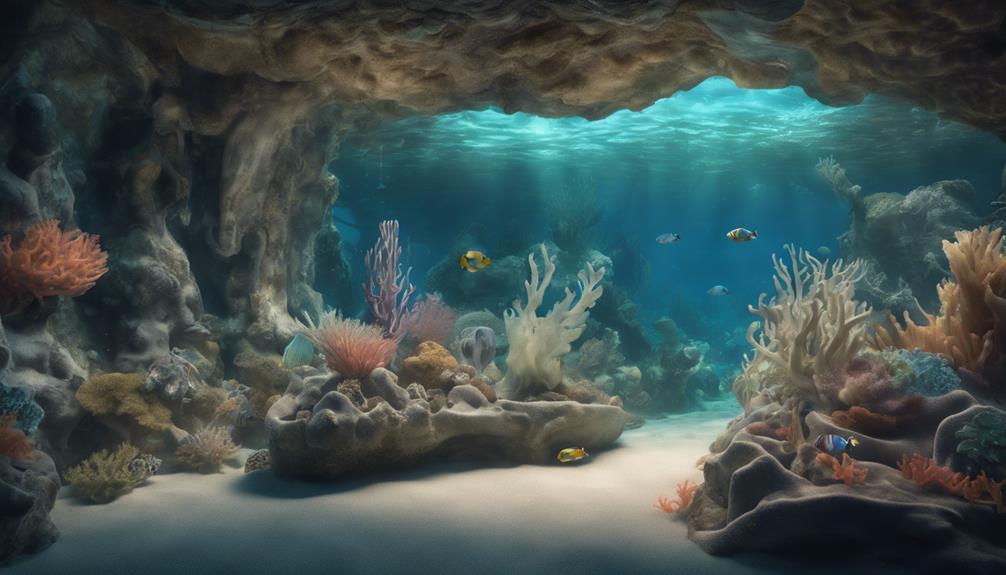
To create a harmonious environment in your cuttlefish tank, allocate at least 10-15 gallons of space per cuttlefish, ensuring each has ample room to roam and claim individual territories. This will help reduce aggression and territorial disputes among your cuttlefish. Providing ample space also allows you to incorporate essential hiding places and visual barriers, which are vital for maintaining peace in your tank.
Here are some essential elements to include in your tank's layout:
- Decorative Caves: Add hollow decorations or rocks with holes to create hiding places for your cuttlefish. This will give them a sense of security and allow them to retreat when feeling threatened.
- Aquatic Landscaping: Incorporate plants, coral, or other decorations to create visual barriers and separate territories. This will help reduce aggression and provide each cuttlefish with its own space.
- Vertical Space: Use tall decorations or plants to create vertical space, allowing your cuttlefish to swim up and down and claim their own territories.
- Open Swimming Areas: Leave some open swimming areas for your cuttlefish to roam freely and exercise. This will help reduce stress and promote overall well-being.
Maintaining Water Quality Standards
Regular water changes and efficient filtration are essential for maintaining water quality standards in your cuttlefish tank, as poor water conditions can quickly lead to stress, disease, and even death. You should perform regular water testing to monitor pH levels, ammonia, and nitrite levels, making adjustments as needed to guarantee a safe environment for your cuttlefish.
Proper water circulation is also critical, as it helps to distribute oxygen and nutrients throughout the tank. Make sure your tank has adequate water circulation, and consider adding powerheads or adjusting the direction of your filter outlets to achieve the best flow.
Effective waste management is important, as cuttlefish produce a significant amount of waste. Your filter should be capable of handling the biological load, and you should perform regular cleaning to prevent the buildup of debris. Biofiltration is also essential, as it breaks down ammonia and nitrite into harmless compounds.
Monitoring Behavior and Health
You'll need to observe your cuttlefish daily, looking for signs of stress, disease, or injury, as early detection is key to preventing minor issues from becoming major problems. Behavioral quirks can be indicative of underlying issues, so it's crucial to monitor their behavior closely.
During your daily observations, pay attention to any changes in appetite, swimming patterns, or coloration. Keep an eye out for labored breathing, rapid respiration, or lethargy, as these can be indicative of illness.
Here are some essential Health checks to perform regularly:
- Inspect for injuries: Look for any signs of injury, such as cuts, scrapes, or torn fins.
- Monitor appetite: Make sure your cuttlefish are eating normally and that their appetite hasn't decreased.
- Check for labored breathing: Observe your cuttlefish's breathing patterns, watching for rapid respiration or difficulty breathing.
- Observe behavioral changes: Monitor your cuttlefish's behavior, looking for any unusual patterns or changes in their normal routine.
Frequently Asked Questions
Can Cuttlefish Recognize Their Owners or Other Fish in the Tank?
You might be surprised to know that octopuses can recognize themselves in mirrors – a cognitive feat only shared by humans, chimpanzees, and dolphins! Similarly, cuttlefish have impressive cognitive abilities. They can recognize their owners and other fish in the tank through facial recognition, a skill they've developed through social learning. This intelligent behavior allows them to differentiate between friends and foes, making them more likely to coexist peacefully in their underwater world.
How Often Should I Rotate Decorations to Prevent Boredom?
You're wondering how often to rotate decorations to prevent boredom. Aim for a Tank Refresh every 2-3 weeks to keep your cuttlefish engaged. Mix up the Decor Variety by swapping out ornaments, rearranging rocks, or adding new hiding spots. This will stimulate their natural curiosity and prevent stagnation. Remember, a fresh environment = happy cuttlefish!
What Is the Ideal Water Flow Rate for a Cuttlefish Tank?
When setting up your aquarium, you'll want to prioritize flow regulation to guarantee a safe environment. Aim for a moderate water flow rate of 10-20 gallons per hour. This will create gentle current patterns that won't stress your cuttlefish. Avoid strong currents, as they can cause fatigue and even injury. By maintaining a balanced flow, you'll create a comfortable space for your cuttlefish to thrive.
Can Cuttlefish Be Trained to Perform Tricks or Tasks?
As you dip your hand into the ocean of possibilities, you wonder if cuttlefish can be trained to perform tricks or tasks. The answer is a resounding yes! With clicker training, an operant conditioning technique, you can teach your cephalopod friend to perform mesmerizing stunts while ensuring their safety. By associating sounds with rewards, you'll be amazed at how quickly they learn to navigate mazes or even shake hands.
Are There Any Specific Sounds or Music That Calm Cuttlefish?
You're wondering if certain sounds or tunes can calm your cuttlefish. Research suggests that calming melodies and soothing frequencies can indeed have a tranquilizing effect on these intelligent creatures. Try playing gentle, slow rhythms or nature-inspired sounds, like ocean waves or rain, near their tank. You'll likely notice your cuttlefish relaxing, reducing stress and promoting a peaceful environment. Experiment with different melodies to find what works best for your aquatic friends.


