
You can take a proactive approach to reduce stress in your cuttlefish by creating a calming environment, ensuring soothing water conditions, and implementing enrichment activities tailored to their unique needs. Provide a spacious aquarium with hiding places, aquatic decor, and calming colors to reduce stimulation. Maintain water temperature between 50-55°F and minimize aquatic noise. Engage your cuttlefish in treasure hunts, sensory play, and maze challenges to stimulate their minds. A healthy diet rich in omega-3 fatty acids and probiotics can also promote calm behavior. By following these natural methods, you'll be well on your way to a stress-free cuttlefish – and there's even more to discover.
A Calm Environment for Cuttlefish

Create a peaceful habitat for your cuttlefish by providing a spacious aquarium with plenty of hiding places, as a calm environment is essential for reducing stress in these sensitive creatures. You'll want to create an atmosphere that simulates their natural habitat, which means incorporating Aquatic Decor that mimics the rocky crevices and coral reefs they'd find in the wild. This will help your cuttlefish feel secure and relaxed.
In addition to providing ample hiding spots, consider the impact of color on your cuttlefish's stress levels. Calming Colors such as soft blues, pale greens, and neutral tones can work wonders in creating a soothing atmosphere. Avoid bright or bold colors, which can stimulate your cuttlefish and increase stress. Instead, opt for a subtle color palette that promotes relaxation.
As you design your aquarium, remember that a cluttered environment can be overwhelming for your cuttlefish. Keep the layout simple and organized, with plenty of open swimming space. This will help reduce stress and anxiety, allowing your cuttlefish to thrive in their new habitat. By creating a peaceful environment, you'll be giving your cuttlefish the best chance at a happy, healthy life.
Soothing Water Conditions Matter
Since cuttlefish are highly sensitive to water conditions, you'll want to make sure the water in their aquarium is consistently maintained at a comfortable temperature between 50-55°F (10-13°C) to reduce stress and promote relaxation. This critical temperature range is vital, as any fluctuations can cause undue stress and anxiety in your cuttlefish.
In addition to maintaining a comfortable water temperature, it's essential to minimize aquatic noise in the aquarium. Loud or sudden noises can startle your cuttlefish, causing them to release ink and become stressed. To reduce noise levels, consider using a high-quality aquarium pump with a silent or low-noise operation. You can also add sound-absorbing materials, such as aquarium decorations or plants, to help dissipate any noise.
Enrichment Activities for Relaxation
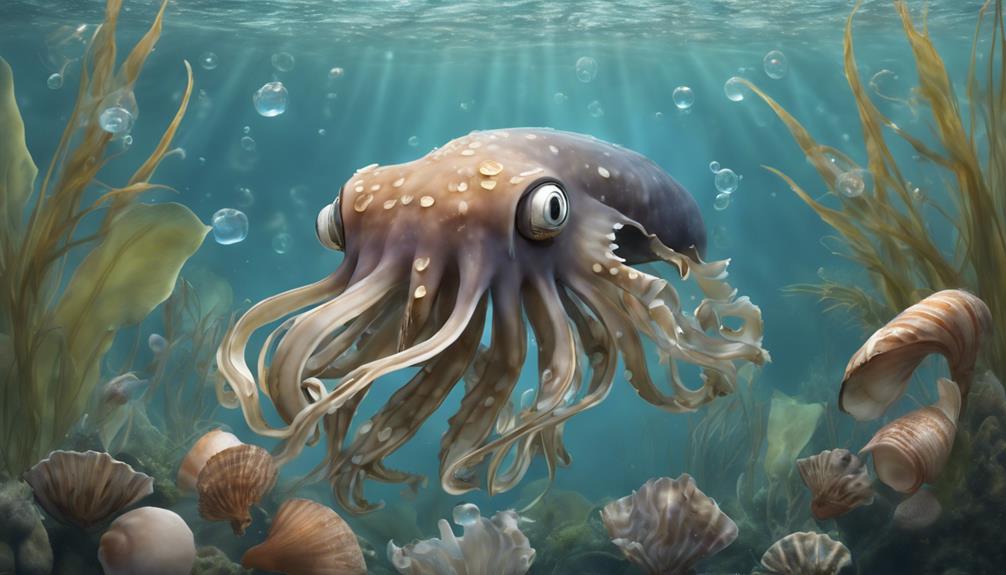
By providing your cuttlefish with a variety of engaging activities, you can help redirect their natural curiosity away from stress and anxiety, promoting a more relaxed state. Enrichment activities are an excellent way to stimulate your cuttlefish's senses and challenge their minds, reducing stress and promoting relaxation.
Here are some ideas for enrichment activities you can try:
- Treasure Hunt: Hide small toys or treats around the tank, encouraging your cuttlefish to search and problem-solve to find them. This activity provides mental exercise and stimulates their natural hunting instinct.
- Sensory Play: Add different textures, such as coral, rocks, or sand, to the tank to provide tactile stimulation. You can also try adding plants or other decorations with varying colors and shapes to stimulate their visual senses.
- Maze Challenge: Create a simple maze using tank decorations or PVC pipes, and place a treat at the end. This activity provides mental exercise and challenges your cuttlefish to problem-solve.
Remember to rotate activities regularly to keep things interesting and prevent boredom. By incorporating these enrichment activities into your cuttlefish's daily routine, you can help reduce stress and promote a more relaxed, happy state.
Healthy Diet for Stress Relief
One key aspect of reducing stress in your cuttlefish is providing a well-balanced diet that meets their nutritional needs. A healthy diet can help reduce stress and anxiety in your cuttlefish, promoting overall well-being. You can achieve this by feeding your cuttlefish a variety of nutrient-rich foods, including Omega 3 rich foods like krill and squid.
| Food | Nutritional Benefits | Stress-Reducing Effects |
|---|---|---|
| Krill | High in Omega 3 fatty acids | Reduces inflammation, promotes relaxation |
| Squid | Rich in protein, low in mercury | Supports healthy brain function, reduces anxiety |
| Probiotic supplements | Supports gut health, boosts immune system | Reduces stress response, promotes calm behavior |
In addition to feeding a balanced diet, you can also consider adding Probiotic supplements to your cuttlefish's diet. Probiotics can help maintain a healthy gut, which is essential for stress reduction. A healthy gut microbiome can help regulate your cuttlefish's stress response, promoting a sense of calm and relaxation. By providing a well-balanced diet and considering supplements, you can help reduce stress in your cuttlefish and promote overall well-being.
Reducing Handling and Restraint
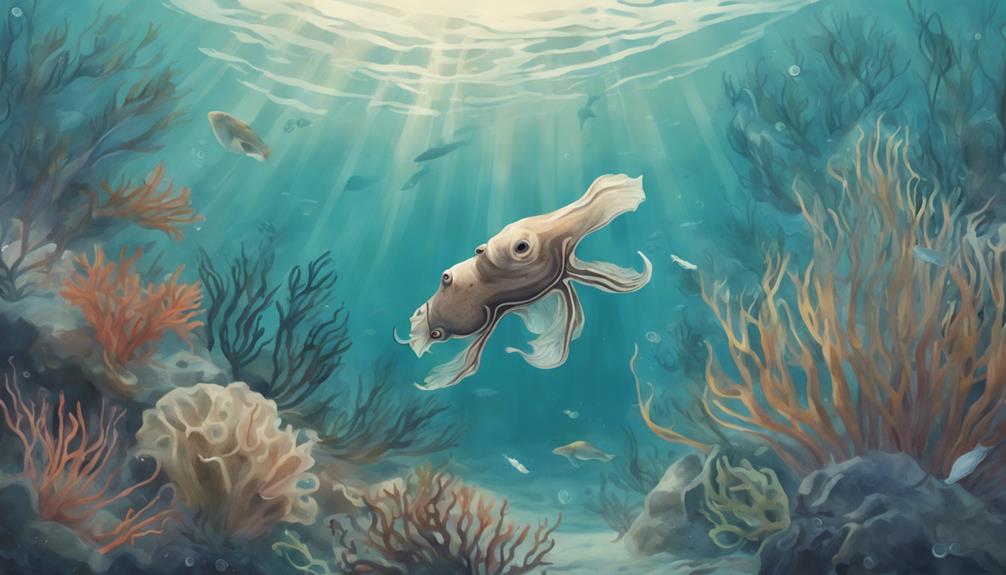
You can greatly reduce stress in your cuttlefish by minimizing handling and restraint, which can be extremely stressful for these delicate creatures. Cuttlefish are naturally sensitive to touch and manipulation, and excessive handling can lead to stress, injury, or even death. To guarantee your cuttlefish’s well-being, it’s essential to adopt gentle and secure handling practices. Additionally, providing a stable and enriched environment can help curb stress levels in your cuttlefish. Ensure that their habitat mimics their natural surroundings, including appropriate hiding spots and water conditions. For further guidance on minimizing stress during transfers or tank changes, consider exploring stressfree moving tips for cuttlefish, which emphasize the importance of preparation and calm procedures.
When handling your cuttlefish, keep the following tips in mind:
- Gentle Grasping: Use a gentle, yet firm grasp to prevent escape or injury. Avoid holding your cuttlefish too tightly, as this can cause physical harm and stress.
- Secure Transfers: Transfer your cuttlefish between containers or tanks quickly and smoothly to minimize stress and prevent injury. Use a soft-mesh net or a gentle scoop to guide them through the transfer process.
- Minimize Handling Time: Limit handling time to only what is necessary, as prolonged handling can be extremely stressful for cuttlefish.
Providing Hiding Places Naturally
Providing your cuttlefish with plenty of natural hiding places can greatly reduce their stress levels, as they instinctively seek shelter and security in their surroundings. By mimicking their natural habitat, you can create a sense of calm and comfort in your cuttlefish.
One effective way to do this is by incorporating rocky crevices into their tank. These crevices can be created using natural rocks or artificial decorations that resemble rocky formations. Cuttlefish can then hide and feel secure within these crevices, reducing their stress levels.
Another option is to add plant shelters to their tank. Live or artificial plants can provide a sense of security and shelter for your cuttlefish. You can choose plants that are safe for aquatic life, such as Java moss or Anacharis, and arrange them in a way that creates cozy hiding spots.
Remember to distribute these hiding places throughout the tank, providing your cuttlefish with multiple options to retreat to when feeling stressed. By providing these natural hiding places, you'll be giving your cuttlefish the security they need to thrive.
Frequently Asked Questions
Can Cuttlefish Be Stressed by Reflective Surfaces or Mirrors?
You're probably wondering if cuttlefish get stressed out by reflective surfaces or mirrors. You're not alone – it's a million-dollar question! Seriously, though, mirror anxiety is a real concern. When a cuttlefish encounters its reflected self, it can trigger anxiety. Imagine seeing yourself staring back, and you can't look away – it's like being trapped in a never-ending selfie! Researchers have observed cuttlefish displaying stress behaviors, like rapid color changes, when faced with mirrors. So, yes, reflective surfaces can indeed cause cuttlefish stress.
Do Cuttlefish Have a Natural Instinct to Hide in Darkness?
You might wonder, do cuttlefish have a natural instinct to hide in darkness? The answer is yes! These clever creatures are Darkness Seekers, naturally drawn to shadows where they can feel safe. As Shadow Dwellers, they'll often retreat to dark, enclosed spaces to escape potential threats. By providing a dark, cozy environment, you can help your cuttlefish friend feel more secure and relaxed, reducing their stress levels.
Can Calming Music or Sounds Reduce Cuttlefish Stress?
You're wondering if calming music or sounds can reduce cuttlefish stress. Research suggests that soothing rhythms, like the gentle lapping of ocean waves, can have a calming effect on these intelligent creatures. By creating a peaceful environment, you can help reduce your cuttlefish's stress levels, promoting a sense of safety and well-being. Experiment with calming sounds to see what works best for your cuttlefish friend.
Are There Specific Colors That Calm or Stress Cuttlefish?
As you explore the world of aquatic aesthetics, you're wondering if specific colors can calm or stress cuttlefish. The answer lies in color therapy. Research suggests that certain hues can have a profound impact on these intelligent creatures. Soothing shades like blue and green can create a sense of calm, while vibrant colors like red and orange may induce stress. By incorporating calming colors into their environment, you can create a safe and peaceful space for your cuttlefish to thrive.
Can Cuttlefish Recognize and Respond to Their Owner's Emotions?
You're wondering if your cuttlefish can sense your emotions. Research suggests they can! This phenomenon is called Emotional Contagion, where they pick up on your feelings. It's a sign of Empathy Development, showing they're capable of understanding and responding to your emotional state. By recognizing your emotions, they can adapt their behavior, creating a deeper bond between you and your pet. This unique connection can lead to a safer, more comforting environment for both you and your cuttlefish.


