
You know that maintaining the perfect pH level is essential for your cuttlefish's health and behavior. To monitor pH levels, use a reliable test kit designed for saltwater aquariums and test levels at the same time daily. Compare results to the ideal range of 7.9 to 8.4 and identify the correct type and amount of pH-adjusting chemicals if needed. Keep a pH logbook to track fluctuations and make small, incremental adjustments to avoid stressing your cuttlefish. By following these steps, you'll be well on your way to creating a thriving environment. Now, take the next step in mastering pH control for your cuttlefish.
Understanding Ph Levels in Cuttlefish

When it comes to keeping your cuttlefish healthy, understanding pH levels is essential, as these intelligent creatures thrive in a narrow pH range. Even slight fluctuations can cause stress, affecting their behavior and overall well-being. You'll want to maintain a pH range between 7.9 and 8.4, as cuttlefish are sensitive to acidity.
Cuttlefish behavior is closely linked to water chemistry. In their natural habitat, they're adapted to living in areas with stable pH levels. When you replicate these conditions in your tank, you'll notice your cuttlefish exhibiting natural behaviors like changing color, building shelters, and interacting with tankmates.
pH levels also affect the bioavailability of essential nutrients. If your tank’s pH is off, your cuttlefish may not be getting the nutrients they need to thrive. This can lead to weakened immune systems, making them more susceptible to disease. Additionally, maintaining the appropriate pH level is crucial for the overall health and well-being of your cuttlefish. Alongside pH, it is equally important to monitor cuttlefish salinity requirements, as fluctuations can further hinder their ability to absorb nutrients. Ensuring both pH and salinity levels are within the optimal ranges will help support a robust immune system and minimize the risk of disease in these fascinating creatures.
As you monitor your tank's pH levels, remember that even minor changes can have a significant impact. You'll want to make adjustments gradually, ensuring a stable environment for your cuttlefish. By maintaining ideal pH levels, you'll create a safe and healthy space for your cuttlefish to flourish. By doing so, you'll be rewarded with vibrant colors, active behavior, and a thriving aquatic community.
Choosing the Right Ph Test Kit
Select a pH test kit that can provide accurate and reliable readings, as the health of your cuttlefish depends on it. You want a kit that will give you consistent results, so you can make informed decisions about your tank's water chemistry.
When choosing a pH test kit, don't rely on guesswork or cheap alternatives. Instead, research and read Kit Reviews from reputable sources to get an idea of the kit's accuracy and reliability. Compare different brands and models, considering factors like ease of use, maintenance requirements, and cost.
Brand Comparisons can be particularly helpful in this regard. Look for kits that use high-quality reagents and have a reputation for providing accurate readings. Some popular brands among aquarists include API, Salifert, and Hanna Instruments.
Calibrating Your Ph Test Equipment
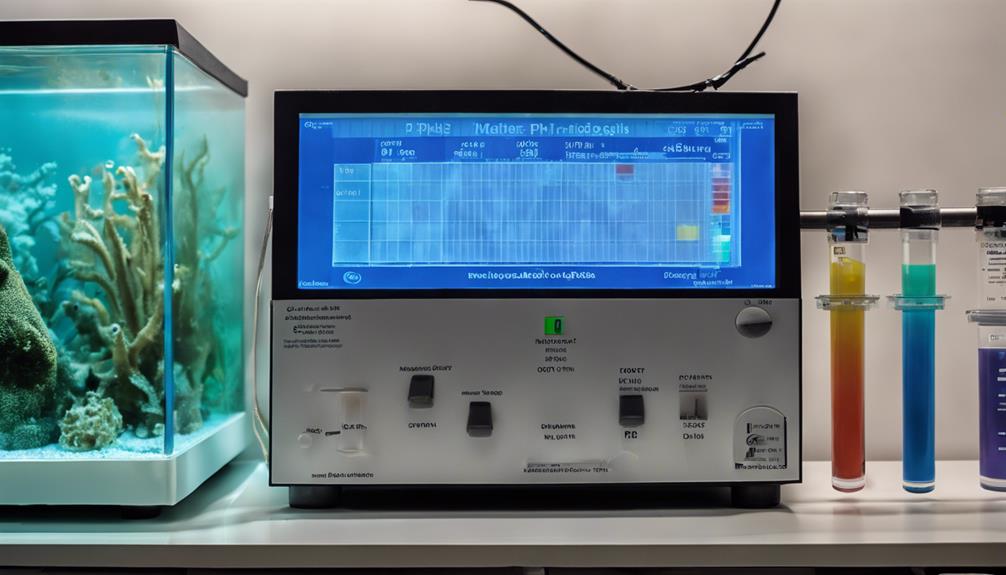
Now that you've chosen the right pH test kit, it's vital to calibrate your equipment to guarantee accurate readings. You'll need to prepare test solutions and perform routine maintenance to keep your equipment in top shape. By following these essential steps, you'll be able to trust the pH levels you're getting from your cuttlefish tank.
Test Solution Preparation
You'll need to prepare a set of pH test solutions to calibrate your pH test equipment accurately. This step is important to guarantee the reliability of your pH readings. To do this, you'll need to create a set of pH buffer solutions with known pH values. These solutions will help you calibrate your pH meter and make sure it's providing accurate readings.
When preparing your pH buffer solutions, keep in mind the following:
- Use fresh solutions: pH buffer solutions can degrade over time, leading to inaccurate readings. Make sure to prepare fresh solutions regularly to avoid solution aging.
- Store solutions properly: Keep your pH buffer solutions in a cool, dark place to prevent degradation.
- Verify pH values: Double-check the pH values of your buffer solutions using a reliable pH meter to ensure accuracy.
Equipment Maintenance Essentials
To guarantee accurate pH readings, you must calibrate your pH test equipment regularly, as faulty or outdated calibration can lead to misleading measurements. This important step ensures your cuttlefish tank's water chemistry remains stable and safe for your aquatic friends. Regular calibration also helps prevent equipment malfunction, which can be catastrophic for your tank's inhabitants.
In addition to calibrating your pH test equipment, it's essential to maintain other critical components of your tank. Ensure your water pump is functioning correctly, and perform regular filter cleanouts to prevent clogs and maintain ideal water circulation. Inspect your tank's insulation to prevent temperature fluctuations, and organize your cables using effective cable management techniques to avoid electrical hazards. Moreover, regularly inspect your equipment housings for signs of wear and tear, replacing them as needed to prevent equipment failure. By prioritizing equipment maintenance, you'll create a safe and thriving environment for your cuttlefish to flourish.
Testing Ph Levels in Your Tank
Regular pH testing helps you stay on top of your cuttlefish tank's water chemistry, maintaining a healthy environment for your cephalopod friends. As a responsible aquarist, it's important to monitor pH levels regularly to prevent sudden changes that can harm your cuttlefish.
To test pH levels, you'll need a reliable pH test kit specifically designed for saltwater aquariums. Make sure to follow the manufacturer's instructions for accurate results. It's essential to test pH levels at the same time every day, as pH can fluctuate throughout the day.
To keep track of your pH readings, maintain a pH logbook to record your test results. This will help you identify patterns and trends in your tank's water chemistry. You can also use tank mapping to identify areas with inconsistent pH readings, which can indicate underlying issues.
Here are some key tips to keep in mind when testing pH levels:
- Test pH levels in multiple areas of the tank to ensure accurate readings.
- Compare your test results to the recommended pH range for cuttlefish (7.9-8.4).
- Record your test results in your pH logbook to track changes over time.
Adjusting Ph Levels With Chemicals

When your pH test results indicate a deviation from the ideal range, it's time to take corrective action with pH-adjusting chemicals. As a responsible cuttlefish tank owner, you understand the importance of maintaining a stable pH environment for your aquatic friends. Chemical adjustments can be a quick and effective way to restore balance to your tank's pH levels.
Before you start adding chemicals, make sure you've identified the correct type and amount needed for your tank's specific situation. Phosphate buffers, for example, can help stabilize pH levels by neutralizing excess hydrogen ions. However, it's essential to follow the manufacturer's instructions and take necessary safety precautions to avoid over-correction or chemical reactions that could harm your cuttlefish.
When using pH-adjusting chemicals, it's vital to monitor your tank's pH levels closely to avoid sudden changes that could stress your cuttlefish. Start with small, incremental adjustments and wait for the chemical reactions to take effect before making further adjustments. Remember, it's always better to err on the side of caution when working with chemicals in your tank.
Natural Methods for Ph Adjustment
By leveraging the natural processes within your cuttlefish tank, you can create a self-sustaining environment that minimizes the need for chemical interventions. This approach not only guarantees a safer habitat for your cuttlefish but also reduces the risk of pH fluctuations. Here are some natural methods to adjust pH levels in your tank:
- Live Rock: Incorporating live rock into your tank can help stabilize pH levels. Live rock is rich in natural buffers, which absorb and release minerals to maintain a stable pH.
- Algae Scrubbers: Algae scrubbers are a great way to remove excess nutrients and waste products that can affect pH levels. By allowing algae to grow on the scrubber, you're creating a natural filter that helps maintain a stable pH.
- Natural Buffers and Water Changes: Regular water changes can help maintain a stable pH by removing waste products and excess nutrients. Additionally, using natural buffers like crushed coral or limestone can help stabilize pH levels.
Creating a Ph Maintenance Schedule

Establish a routine for monitoring and adjusting pH levels in your cuttlefish tank to guarantee a stable environment for your cephalopod friends. Consistency is key when it comes to maintaining ideal pH levels, and a well-planned schedule will help you stay on top of things.
You'll want to set aside specific times each day or week for tank inspections, where you'll check pH levels, observe your cuttlefish's behavior, and look for any signs of stress or discomfort. This will help you identify potential issues before they become major problems. Make sure to record your findings in a logbook or spreadsheet to track changes over time.
In addition to regular tank inspections, you'll need to incorporate water rotation into your maintenance schedule. This involves replacing a portion of the tank water with fresh, pH-balanced water to maintain ideal levels. Aim to rotate 10-15% of the tank water weekly, depending on the size of your tank and the needs of your cuttlefish.
Troubleshooting Ph Level Fluctuations
You'll inevitably encounter pH level fluctuations, and it's crucial to identify their causes to make targeted corrections. pH swings can be stressful for your cuttlefish, and if left unchecked, can lead to health issues. To troubleshoot pH level fluctuations, you need to be proactive and methodical in your approach.
Here are some common causes of pH level fluctuations to investigate:
- Inconsistent water changes: If you're not consistent with your water changes, it can lead to pH swings. Make sure you're changing the same amount of water at the same frequency to maintain stability.
- Insufficient biological filtration: If your tank's biological filter isn't mature or is underperforming, it can cause pH level fluctuations. Ensure your filter is properly cycled and maintained.
- Inadequate buffering capacity: If your tank's buffering capacity is inadequate, pH levels can fluctuate wildly. Consider adding buffers or adjusting your water chemistry to stabilize pH levels.
Frequently Asked Questions
Can Cuttlefish Thrive in a Tank With Fluctuating Ph Levels?
You're wondering if cuttlefish can thrive in a tank with fluctuating pH levels. The truth is, these intelligent creatures have a limited pH tolerance. To guarantee their well-being, it's essential to maintain stability in your tank's water chemistry. Fluctuations can cause stress, illness, or even death. So, prioritize stability and monitor pH levels closely to create a safe environment for your cuttlefish to flourish.
How Often Should I Replace My Ph Test Kit Reagents?
Imagine your cuttlefish swimming happily in their tank, their vibrant colors shining like jewels in the aquarium lights. To keep them thriving, you need accurate pH readings. But when was the last time you checked your pH test kit's reagent expiration dates? Don't risk faulty readings! Replace reagents every 6-12 months or as indicated. Regularly calibrate your kit to guarantee precise results. Stay safe, and your cuttlefish will thank you.
Do Ph Levels Affect the Color-Changing Abilities of Cuttlefish?
You're wondering if pH levels impact your cuttlefish's amazing color-changing abilities. The answer is yes! pH fluctuations can affect chromatophore function, which is important for camouflage strategies. When pH levels are off, it can disrupt the expansion and contraction of chromatophores, making it harder for your cuttlefish to change colors. This can leave them vulnerable to predators, so it's vital to maintain a stable pH to guarantee your cuttlefish can adapt and thrive.
Can I Use Ph-Adjusting Chemicals Meant for Freshwater Tanks?
You're about to dump a million bucks' worth of chemicals into your cuttlefish tank without doing your research – don't! When it comes to pH-adjusting chemicals, you can't just grab something meant for freshwater tanks. Freshwater limitations are real, and chemical compatibility is key. Cuttlefish have unique needs, and using the wrong chemicals can be catastrophic. Always choose products specifically designed for marine tanks to guarantee your cuttlefish thrive.
Will a Ph Crash Harm My Cuttlefish or Other Tank Inhabitants?
You're right to worry about sudden pH changes harming your cuttlefish and other tank inhabitants. A pH crash can cause acid shock, which is often fatal. Even if your cuttlefish survive, alkalinity swings can still stress them out. This stress can weaken their immune systems, making them more susceptible to diseases. It's essential to maintain stable pH levels to guarantee the well-being of your aquatic friends.


