
You'll need a well-planned ventilation system in your cuttlefish aquarium to create the oxygen-rich environment these curious creatures require to thrive. Start by selecting a large enough tank (at least 55 gallons) with a rectangular shape for better water circulation. Choose a reliable pump with adjustable flow rates and combine it with surface-skimming devices to increase oxygen exchange. Position powerheads strategically to create gentle currents and divide the aquarium into circulation zones. By doing so, you'll be well on your way to establishing a healthy environment for your cuttlefish – and there's more to explore to guarantee your underwater world flourishes.
Assessing Aquarium Size and Shape
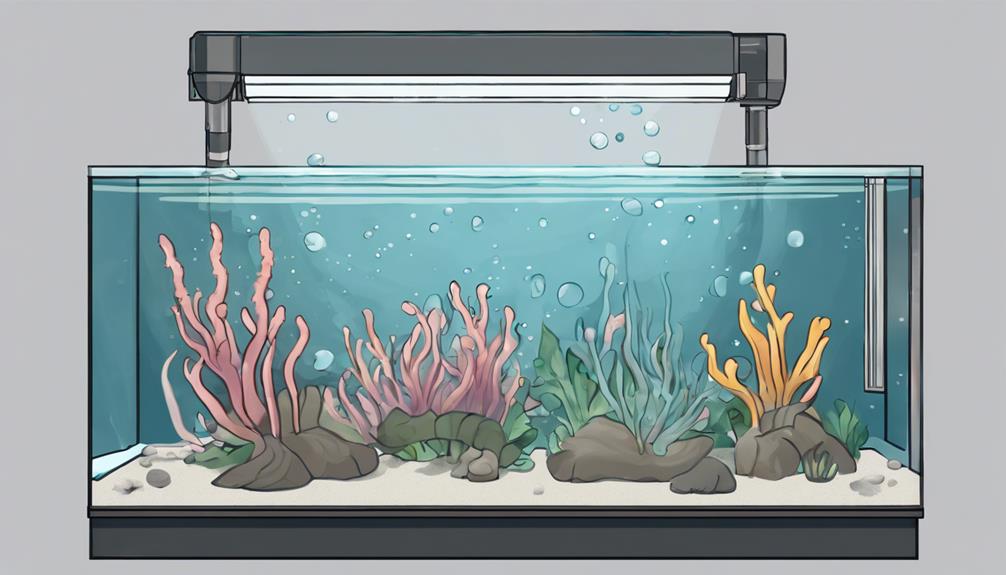
When choosing an aquarium for your cuttlefish, consider the minimum tank size recommended by experts to be at least 55 gallons, but keep in mind that larger is better for these intelligent, active creatures. You want to provide ample space for your cuttlefish to swim, exercise, and thrive. Aquarium geometry plays an important role in ensuring your cuttlefish's well-being. A longer, wider tank is better than a tall, narrow one, as it allows for more horizontal swimming space. Aim for a tank with a length that's at least 3-4 times its height to create a stable environment.
Tank proportions are also essential. A rectangular tank is a better choice than a square or circular one, as it provides more usable space. Cuttlefish are naturally curious and love to explore, so a tank with plenty of nooks and crannies will keep them engaged and stimulated. A well-designed aquarium with proper geometry and proportions will help reduce stress and promote a healthy, active lifestyle for your cuttlefish. Remember, a larger tank with a suitable shape will give your cuttlefish the best chance to thrive. By prioritizing their spatial needs, you'll be creating a safe and happy environment for your cephalopod friends.
Choosing the Right Pumps and Filters
You'll need to select pumps and filters that can handle the unique demands of a cuttlefish aquarium, as these creatures are sensitive to water quality and circulation. Cuttlefish thrive in environments with precise water flow and exceptional water clarity. To achieve this, you'll need to choose pumps and filters that can maintain ideal water conditions.
When selecting pumps, consider the following essential factors:
- Power and efficiency: Choose pumps that provide sufficient power to create the desired water circulation while being energy-efficient to reduce your electricity bill.
- Noise level: Opt for pumps with low noise levels to minimize disturbance to your cuttlefish and ensure a peaceful environment.
- Reliability and durability: Select pumps from reputable manufacturers that are built to last, reducing the need for frequent replacements and minimizing the risk of equipment failure.
Regular Pump Maintenance and Filter Upgrades are important to ensure the longevity of your equipment and the health of your cuttlefish. By selecting the right pumps and filters and maintaining them properly, you'll be able to create a thriving environment for your cuttlefish to flourish.
Creating Water Circulation Patterns
When setting up your cuttlefish aquarium, you'll need to take into account the direction of water flow, strategically placing powerheads to create circulation zones that promote healthy water movement. By getting this right, you'll be able to create a thriving environment for your cuttlefish.
Water Flow Directions
How do you create water circulation patterns that mimic the ocean's natural currents in your cuttlefish aquarium? One key aspect is directing water flow to replicate the dynamic movements found in the ocean. Proper water flow directions are essential for maintaining a healthy environment for your cuttlefish.
To achieve this, focus on creating a multi-directional flow profile. This can be achieved by strategically placing powerheads or adjusting their direction to create a mix of horizontal and vertical currents. Aim for a current velocity of around 10-15 inches per second to stimulate your cuttlefish's natural swimming behavior.
Here are some key takeaways to keep in mind:
- Avoid stagnant areas by creating a circulation pattern that reaches all corners of the aquarium.
- Mix it up by combining gentle and stronger currents to mimic the ocean's varied flow profiles.
- Monitor and adjust regularly to make sure the water flow is safe and beneficial for your cuttlefish.
Powerhead Placement Tips
By strategically positioning powerheads, you can create a dynamic water circulation pattern that effectively mimics the ocean's natural currents in your cuttlefish aquarium. This is essential for maintaining healthy water quality and preventing stagnant areas that can harbor disease. To achieve ideal circulation, consider the current direction you want to create. Aim to produce a gentle, sweeping current that changes direction periodically to simulate the ocean's natural flow. Avoid pointing powerheads directly at your cuttlefish or corals, as this can cause stress and damage. Instead, angle them to create a gentle flow that reaches all areas of the tank, including hidden crevices where debris often accumulates. Be cautious not to create turbulence or whirlpools, which can disturb your cuttlefish and disrupt the tank's ecosystem. By thoughtfully placing powerheads, you'll create a safe and healthy environment for your cuttlefish to thrive.
Circulation Zone Creation
You can divide your cuttlefish aquarium into distinct circulation zones, each with its own water flow pattern, to create a diverse and stimulating environment. This is essential for the health and well-being of your cuttlefish, as they thrive in environments with varying water currents. By creating circulation zones, you're mimicking their natural habitat, where they'd encounter different current channels and water layers.
Here are some benefits of circulation zone creation:
- Reduced stagnation: Prevents stagnant water pockets that can harbor harmful bacteria and toxins.
- Improved oxygenation: Increases water circulation, ensuring your cuttlefish receive a constant supply of oxygen-rich water.
- Enhanced exploration: Provides a dynamic environment that encourages your cuttlefish to explore and engage with their surroundings.
Increasing Oxygen Exchange Rates
In a cuttlefish aquarium, oxygen exchange rates increase dramatically when water agitation is strategically introduced near the surface, fostering a healthy exchange of gases. As you create this agitation, you're allowing oxygen to dissolve into the water more efficiently, which is essential for maintaining ideal oxygen saturation levels. This, in turn, supports the overall health and well-being of your cuttlefish.
To further boost oxygen exchange rates, focus on enhancing gas transfer within your aquarium. You can achieve this by incorporating surface-skimming devices or adjusting the direction of your powerheads to create a gentle, wave-like motion. This encourages the water's surface to interact with the air, facilitating the exchange of gases. By doing so, you'll create an environment that promotes healthy gas transfer, which is vital for maintaining a thriving ecosystem.
Managing Water Flow and Turbulence

While optimizing oxygen exchange rates is essential, it's equally important to manage water flow and turbulence within your cuttlefish aquarium, as incorrect flow patterns can disrupt the delicate balance of your ecosystem. You'll want to create a harmonious flow that mimics the natural ocean currents, guaranteeing your cuttlefish can thrive.
To achieve this, you'll need to understand the concept of water channeling and current dynamics. Water channeling refers to the path water takes as it flows through your aquarium, while current dynamics involve the movement and circulation of water within the tank. By managing these elements, you can create a stable and healthy environment for your cuttlefish.
Here are some key considerations to keep in mind:
- Avoid strong currents: Cuttlefish can be stressed by strong currents, which can lead to fatigue and even injury. Ensure your aquarium's water flow is gentle and consistent.
- Create areas of calm: Providing areas of calm water allows your cuttlefish to rest and hide, reducing stress and promoting overall well-being.
- Monitor water circulation: Regularly check your aquarium's water circulation to ensure it's adequate and evenly distributed, preventing stagnant areas that can harbor bacteria and disease.
Optimizing Tank Placement and Layout
As you set up your cuttlefish aquarium, you'll want to carefully consider where you place the tank and how you utilize the space around it. You'll need to think about the location's impact on ventilation and air circulation, as well as how to maximize the often-wasted space in the corners. By optimizing your tank's placement and layout, you can create a healthier environment for your cuttlefish.
Tank Location Considerations
You'll want to position your cuttlefish aquarium in a spot that minimizes direct sunlight, drafts, and temperature fluctuations. This is important to create a stable environment for your cuttlefish to thrive.
When selecting a location, consider the following:
- Keep the tank at least 6 inches away from any wall to guarantee good air circulation and easy access for maintenance.
- Avoid placing the tank near heating vents, radiators, or air conditioning units, as they can lead to temperature fluctuations.
- Position the tank in an area with soft, indirect room lighting to reduce stress on your cuttlefish.
Corner Space Utilization
By strategically placing your cuttlefish aquarium in a corner, you can create a sense of security for your cuttlefish while maximizing floor space in the room. Corner placement also allows for better ventilation, as air can circulate freely around the tank. To optimize corner space, consider the following layout ideas:
| Layout Option | Corner Decor | Hidden Caves |
|---|---|---|
| Diagonal Placement | Rock formations | Behind plants |
| Corner Shelf | Artificial coral | Under ledges |
| L-Shaped Tank | Seashell decorations | Inside crevices |
| Wall-Mounted | Seaweed-covered rocks | Behind water features |
When placing your tank, make sure there’s enough clearance for proper ventilation and easy maintenance. You can also add corner decor, such as artificial coral or seaweed-covered rocks, to create hiding spots and visual interest. Incorporating hidden caves and crevices will provide your cuttlefish with a sense of security and comfort. By optimizing your tank’s placement and layout, you’ll create a safe and thriving environment for your cuttlefish. Additionally, consider using natural decor for cuttlefish tanks, such as driftwood and live plants, which not only enhance the aesthetics but also mimic their natural habitat. These elements promote healthy behaviors and provide stimulation for your cuttlefish as they explore their environment. Regularly assess your tank setup to ensure that it remains conducive to your cuttlefish’s well-being, adjusting decor as needed to maintain a balanced and engaging habitat.
Preventing Dead Spots and Eddies
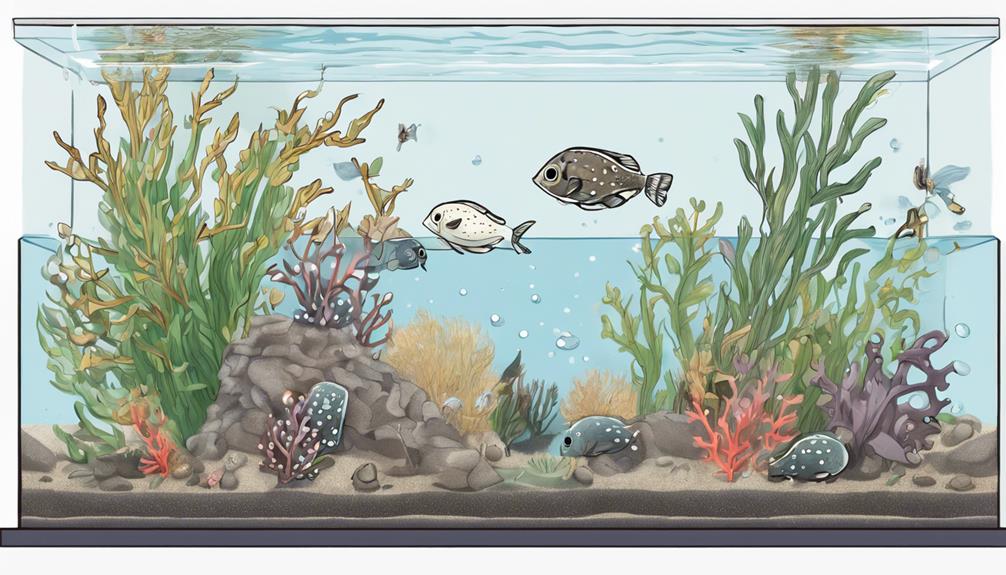
Water circulation in your cuttlefish aquarium is vital to prevent dead spots and eddies. These stagnant areas can lead to poor water quality, stress, and even disease in your cuttlefish. As you design your aquarium's ventilation system, it's important to think about how you'll avoid these problem areas.
To create a healthy environment, you'll need to make sure that water is circulating throughout the tank. This can be achieved through strategic placement of Ventilation Mapping, which involves identifying areas where water flow may be weak. By recognizing these areas, you can take steps to redirect water flow and eliminate dead spots.
Here are some key considerations to keep in mind:
- Don't overcrowd your tank: Leave enough space for water to circulate freely, reducing the risk of dead spots.
- Use Current Breakers: These devices help disrupt water flow, preventing eddies and promoting healthy circulation.
- Monitor water flow regularly: Regularly check for areas of poor circulation and make adjustments as needed to maintain a healthy environment.
Selecting Proper Aeration Devices
With a well-designed ventilation system in place, it's time to focus on selecting the right aeration devices to further enhance oxygen exchange and circulation in your cuttlefish aquarium. You've made a great start, but now it's essential to choose the correct air pumps and bubblers to maintain a healthy environment for your cuttlefish.
When selecting air pumps, consider the size of your tank and the oxygen requirements of your cuttlefish. You'll want pumps that can provide a consistent and gentle flow of air, as cuttlefish are sensitive to strong water currents. Look for pumps with adjustable flow rates and durable construction to ensure longevity.
Next, choose the right bubbler type for your tank. There are several options available, including air stones, diffusers, and venturi aerators. Air stones are a popular choice, as they create a gentle, consistent flow of bubbles. Diffusers, on the other hand, are more efficient and can be used in conjunction with air stones for added oxygenation. Venturi aerators are a good option if you have a larger tank, as they can handle higher flow rates.
Using Live Rock and Biomedia Effectively
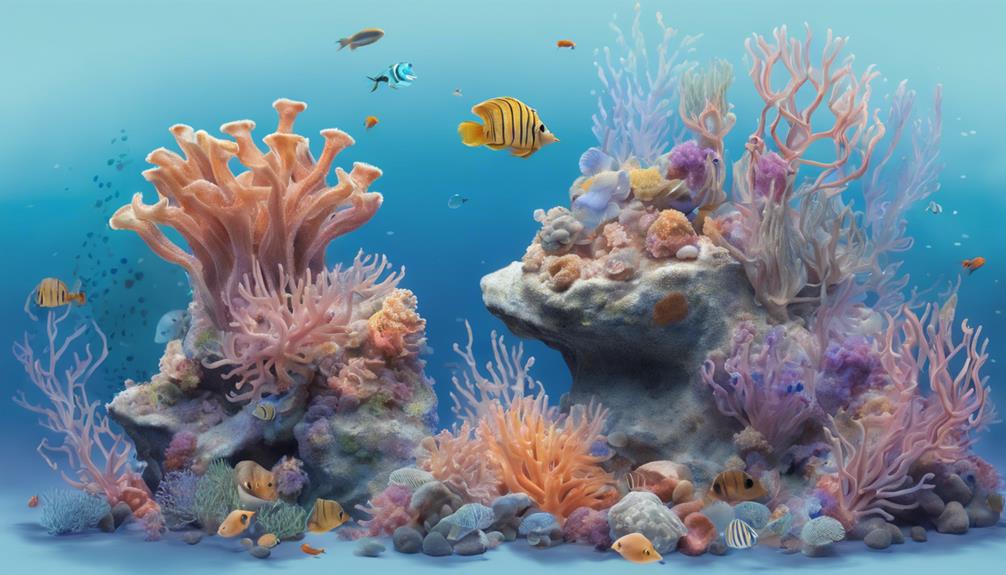
Adding live rock and biomedia to your cuttlefish aquarium can greatly enhance its biological filtration capabilities, allowing you to create a thriving environment that efficiently breaks down waste and maintains stable water parameters. By incorporating these natural filters, you'll be able to reduce the risk of water quality issues and create a safe haven for your cuttlefish.
To maximize the effectiveness of live rock and biomedia, it's essential to prioritize microbe selection and media layering. You'll want to choose biomedia that's specifically designed to support the growth of beneficial microbes, which will help to break down ammonia and other toxins. When it comes to layering, make sure to create a balanced environment by mixing different types of media, such as ceramic rings, bio balls, and live rock.
Here are some key benefits of using live rock and biomedia effectively:
- Improved water quality: By providing a thriving environment for beneficial microbes, you'll be able to maintain stable water parameters and reduce the risk of water quality issues.
- Increased oxygen levels: Live rock and biomedia can help to increase oxygen levels in your aquarium, creating a healthier environment for your cuttlefish.
- Reduced maintenance: By using live rock and biomedia, you'll be able to reduce the frequency of water changes and other maintenance tasks, giving you more time to enjoy your aquarium.
Frequently Asked Questions
Can I Use a Single Powerhead for a Small Cuttlefish Aquarium?
'Many hands make light work,' and in this case, one powerhead might not be enough. When you're considering using a single powerhead for your small cuttlefish aquarium, think about the direction of the current it creates. You want to guarantee gentle, chaotic current patterns that mimic the ocean's flow. With one powerhead, you risk creating strong, direct currents that can stress your cuttlefish. For their safety, consider adding multiple powerheads or adjusting the direction to create a more natural environment.
How Often Should I Clean My Aquarium's Aeration Devices?
You're smart to prioritize your aquarium's maintenance! When it comes to cleaning your aeration devices, aim to do it every 2-3 weeks. This frequency guarantees ideal airflow and prevents debris buildup, which can compromise your cuttlefish's health. During filter maintenance, gently scrub the devices with a soft-bristled brush to remove any grime. This will maximize airflow and keep your aquarium's ecosystem thriving. Remember, cleanliness is key to a safe and healthy environment for your cuttlefish.
Will Adding More Fish Reduce Oxygen Levels in the Aquarium?
Did you know that a single fish can consume up to 0.5mg of oxygen per hour? When you add more fish to your aquarium, you're increasing the risk of oxygen depletion. Overcrowding can lead to fish capacity issues, causing a strain on the water's oxygen levels. To guarantee your fish thrive, it's vital to maintain a safe fish capacity and provide adequate oxygen supply to prevent oxygen depletion.
Can I Place Decorations to Block Water Flow in Certain Areas?
When arranging your aquarium, you're tempted to create cozy nooks by placing decorations that block water flow in certain areas. However, be cautious: doing so can hinder water circulation, creating stagnant areas that can harm your cuttlefish. Instead, strategically place decorative obstacles to redirect water flow, ensuring gentle currents reach all areas of the tank. This way, you'll maintain healthy water circulation while still creating a visually appealing environment.
Do Cuttlefish Prefer Strong or Gentle Water Currents?
As you commence on this aquatic adventure, imagine yourself in ancient Greece, where philosophers debated the secrets of the deep. Now, let's plunge into the world of cuttlefish. When it comes to water currents, these cephalopods prefer a gentle touch. Aim for a current velocity of 5-10 inches per second, with minimal water turbulence. This will provide a comfortable environment, reducing stress and promoting their overall well-being.


